Neumünster’s Green Hydrogen Production Hub Taps Surplus Wind Power
Swiss startup Infener AG is set to build a 50 MW green hydrogen production hub in Neumünster, leveraging surplus wind power and alkaline electrolysis to produce up to 5,000 tonnes per year. Munich utility SWM has signed a letter of intent, advancing a decentralized model to tackle renewable curtailment.
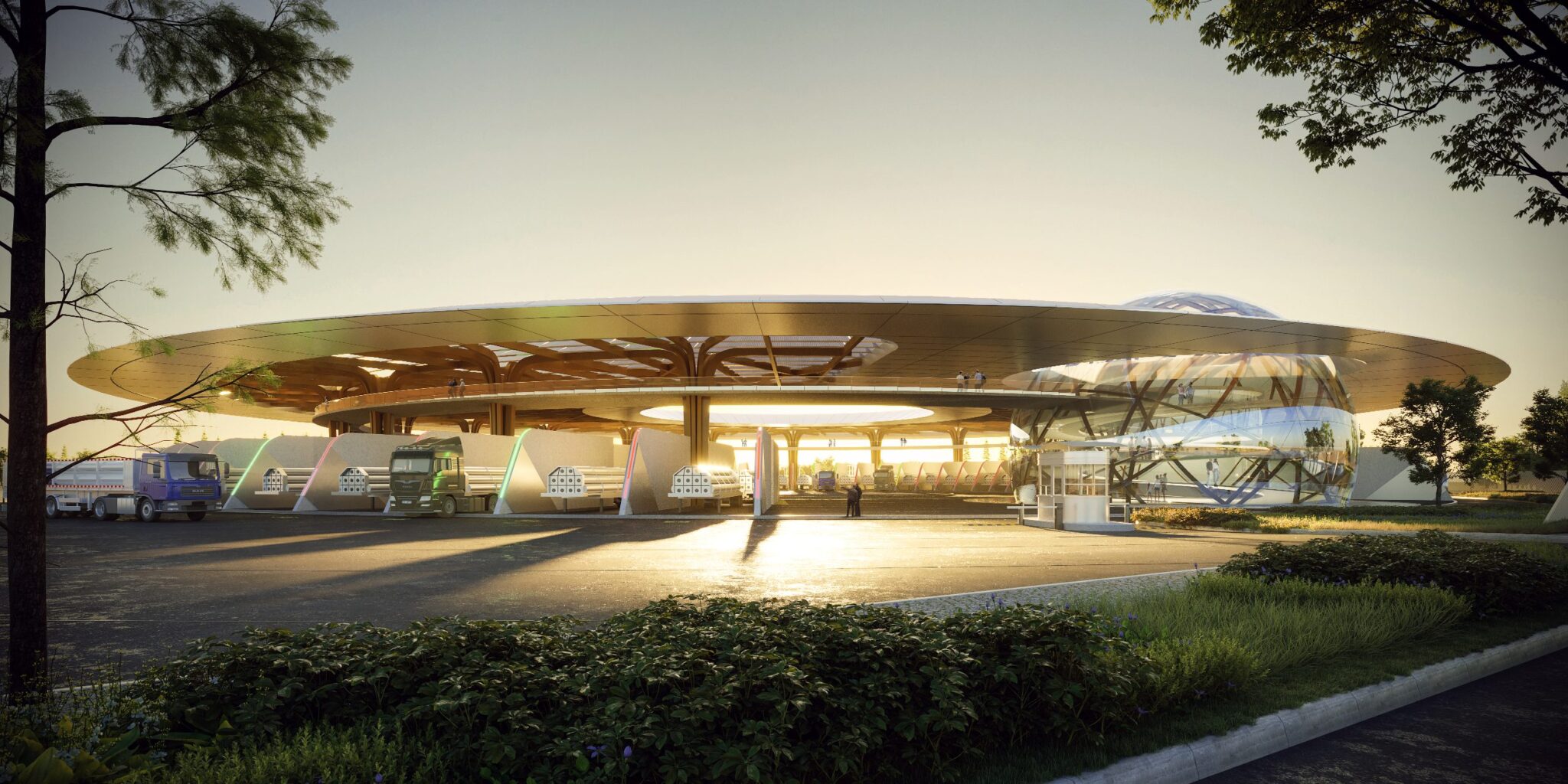
Glimpse the wind-whipped plains of Schleswig-Holstein, and you’ll spot a whole lot of idle turbines. That’s exactly where Swiss startup Infener AG is setting its sights with a 50 MW green hydrogen hub—designed to catch surplus power and flip it into a zero-emission, on-the-go fuel.
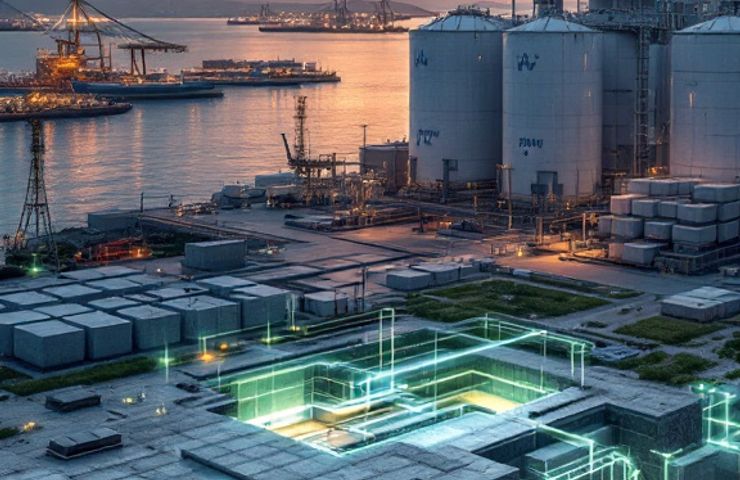
Launched in 2023, Infener AG is all about decentralized hydrogen production. Their plants even look like something out of a sci-fi flick, thanks to architect Hadi Teherani’s UFO-inspired vision. Early this year, Neumünster’s local council gave them the green light, making the town the world’s first Infener test site. Groundbreaking kicks off in 2027, with full operation slated for 2028. Once it’s humming, expect up to 5,000 tonnes of hydrogen a year—enough to fuel local factories and fleets with truly clean energy.
Partnership Structures
This month, Germany’s biggest city utility, Stadtwerke München (SWM), inked a letter of intent to hop on board the Neumünster project. SWM brings deep chops in power trading, grid management and locking down hydrogen infrastructure–friendly PPAs. By mixing SWM’s balancing group know-how with Infener’s surplus-harvesting plan, they’ll secure a steady flow of renewables and still grab truly spare electrons whenever the grid’s under stress.
Tech at the Core
At its heart is classic alkaline electrolysis, a battle-tested method that splits water into H₂ and O₂ using a potassium- or sodium-based electrolyte. It’s happy to throttle up and down with the wind, storing hydrogen in buffered tanks and sending oxygen back to the air. Sure, stack efficiencies sit in the mid-60 percent range, but the real win is running off power that’d otherwise go to waste.
Local Energy Landscape
Neumünster’s roughly 79,000 residents see hundreds of gigawatt-hours of wind energy curtailed every year once lines heading south hit capacity. Infener’s hub aims to turn that ghost power into something you can bottle, transport and burn—getting more mileage out of the region’s natural advantage.
Economic Viability
Relying solely on curtailed power won’t cut it to satisfy lenders—too few operating hours. Research from the Reiner Lemoine Institut and GP Joule champions a hybrid model: a core volume under solid PPAs, topped up with real surplus when it’s there. That combo can push past 4,000 full-load hours a year, tipping the scales in favor of a bankable project.
Policy and Funding
Germany’s National Hydrogen Strategy targets 10 GW of electrolyser capacity by 2030 and has earmarked billions to jump-start the rollout. Neumünster fits the bill for ‘grid-beneficial electrolysis,’ soaking up excess electrons instead of clogging the lines. It also aligns with the European Hydrogen Valleys initiative, which champions regional clusters linking demand, supply and supportive hydrogen infrastructure.
Grid Connection Challenge
Of course, reality bites when you try to hook up to the grid. TenneT and SH Netz are on the case to build a beefy connection for the hub, but northern Germany has a reputation for delays. Infener and SWM will need tight coordination to hit that 2028 go-live date.
The Road Ahead
Flip the switch in Neumünster, and you could have a template for dozens of smaller, demand-driven hydrogen parks across Europe. Instead of chasing mega coastal terminals, Infener is banking on nimble, local setups. The big test? Can this model scale, and can regional grids keep pace?
As Germany wrestles with renewable surpluses and grid bottlenecks, Neumünster’s hub asks a simple question: why let free wind slip through your fingers when you can turn it into a versatile, low-carbon fuel—and drive real sustainable energy progress?