Nobian Secures RFNBO Certification for Green Hydrogen Production at Frankfurt Site
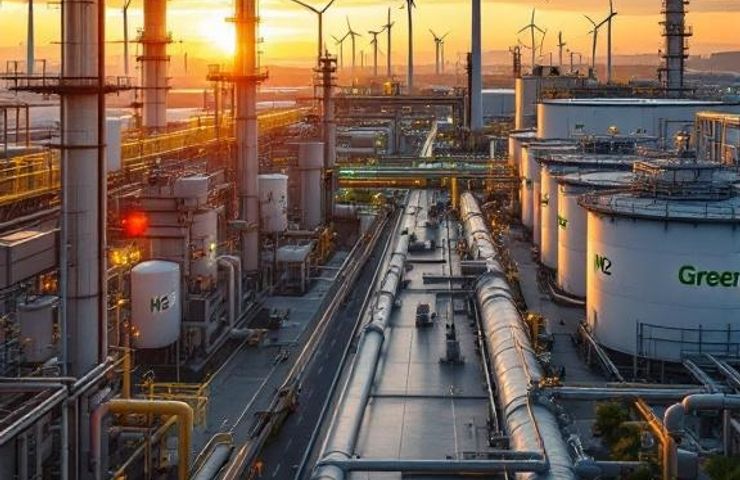
April 13, 2026This April, Nobian hit a major milestone: it snagged RFNBO certification for its Frankfurt site, adding another green badge to its growing lineup of eco-friendly molecules. Thanks to its chlor-alkali electrolysis process powered by 100% renewable electricity, the plant’s set to crank out up to 6,000 tonnes of green hydrogen a year. Following a similar thumbs-up for Rotterdam in 2025, this latest accolade firmly plants Nobian at the heart of Europe’s industrial decarbonization journey.
Tapping Renewable Power for Low-Carbon Hydrogen
If you’ve ever dabbled in chemical processes, you’ll know chlor-alkali electrolysis is a classic route to make chlorine and caustic soda from brine. But here’s the twist: Nobian’s setup at Frankfurt captures the hydrogen by-product and – get this – does it all on renewable electricity. By logging every megawatt and tracking greenhouse gas emissions from start to finish, they meet the strict ISCC EU criteria, ensuring the hydrogen production process is fully transparent and qualifies as an EU-certified RFNBO under the Renewable Energy Directive.
What RFNBO Certification Means
RFNBO might sound like alphabet soup, but it actually stands for Renewable Fuels of Non-Biological Origin. EU regulations say these fuels need to slash lifecycle greenhouse gas emissions by at least 70% compared to their fossil-based cousins. That means full-on traceability from where the juice comes from to where the hydrogen ends up. For folks in transport, energy, and the chemical biz, grabbing that RFNBO tag means they can be confident their hydrogen is helping nudge Europe closer to its 2030 climate targets.
Building on Past Successes
Nobian might have only come into its own in 2021 after spinning off from Nouryon, but it didn’t waste any time. It inherited over 20 factories across Europe and North America, and by 2025 it was leading the pack with a full range of ISCC PLUS certified chloromethanes. When Rotterdam snagged its RFNBO credentials that year, it screamed out Nobian’s serious push into low-carbon chemistry. Now, with Frankfurt in the mix, they’re tipping the scales as Europe’s top certified green hydrogen producer, based on cumulative RFNBO capacity.
Strategic Impact on Industrial Decarbonization
This isn’t just a shiny certificate – the hydrogen from Frankfurt is headed straight to industries under the gun to clean up their act. If you’re churning out ammonia, methanol, or any other hydrogen-based chemicals, you can grab a batch that ticks all the EU sustainability boxes. And it’s not only the chemical crowd benefiting – fuel cell makers and energy storage projects now have a certified, reliable source too. With Europe’s target of 42% renewable energy in industry by 2030, efforts like this one from Nobian set the stage for scalable supply chains you can actually trust. Bonus: it helps keep regional chemical jobs rolling and trains up folks in green energy skills.
EU Policy Framework and Market Drivers
Blame – or thank – the EU Renewable Energy Directive II for upping the ante: by 2030, at least 14% of all energy used in transport, heating, and cooling needs to come from renewables, with industry shooting for roughly 42%. To bag that RFNBO title, hydrogen producers must track every ounce of emissions through the whole lifecycle and lean on guarantees of origin for their electricity. These rules are designed to pump up demand for green molecules and edge out fossil-based hydrogen – which still dominates globally. Having scored certifications in Rotterdam and Frankfurt, Nobian’s ahead of the curve as the rulebook tightens up.
Supply Chain Traceability and Customer Benefits
One of the biggest headaches for heavy hitters in industry has been verifying that emissions cuts in hydrogen supply chains are legit. By adopting the ISCC EU standard, Nobian logs every megawatt-hour of clean electricity, each tonne of hydrogen produced, and all the logistics in between. That means customers snapping up RFNBO-certified hydrogen can funnel those numbers straight into their sustainability dashboards, boost their bids for green public procurement, and nail their carbon accounting. In the long run, solid traceability cuts down compliance headaches and lets teams focus on the real work.
Frankfurt’s Role in Europe’s Hydrogen Infrastructure
You probably think of Frankfurt as a finance powerhouse, but it’s also at the core of Germany’s Hesse region – an industrial and logistics hotspot. With about 2.6 million people and one of Europe’s highest GDPs per capita, it’s a melting pot of banking, manufacturing, and transport. Nobian’s site scores big points with quick links to the Rhine, nearby chemical parks, and a tangle of highways and railways. Local authorities are even planning to weave hydrogen corridors into existing pipelines and roll out perks for clean energy users, making it easier for green hydrogen to hit markets across Germany and beyond.
Voices from Nobian
Julien Courtois, Senior Product & Business Development Manager Hydrogen at Nobian, puts it simply: the Frankfurt certification underscores their leadership in delivering traceable green molecules and gives customers more ways to slash their carbon footprints.
Looking Ahead
Now that Frankfurt’s up and humming, Nobian’s gearing up to deepen ties with industrial partners and regulators to stretch the RFNBO framework even further. They’ve got a few more sites in the pipeline, though they’re playing their cards close to the chest. The day-to-day focus? Cranking up production and lining up enough renewable electricity to keep it all green – no small feat in the world of hydrogen production. As Europe races toward net-zero, these certifiable streams of low-carbon hydrogen will be game-changers for heavy-duty industries.
Conclusion
All told, Nobian’s latest RFNBO certification in Frankfurt signals a bigger trend: the industrial hydrogen economy is finally maturing, shifting from pilots to rock-solid, certified hydrogen infrastructure. By twinning established chlor-alkali tech with renewable power, they’ve carved out a practical road to decarbonization. For customers, policymakers, and investors, having up to 6,000 tonnes a year of compliant green hydrogen isn’t just a number – it’s living proof that low-carbon chemistry can really scale. And in a market on the hunt for reliable, certified solutions, Nobian’s early lead could pay off big time as Europe hurtles toward its 2030 and beyond climate targets.

 With over 15 years of reporting hydrogen news, we are your premier source for the latest updates and insights in hydrogen and renewable energy.