ORLEN hydrogen station opens in Piła to boost low-emission mobility
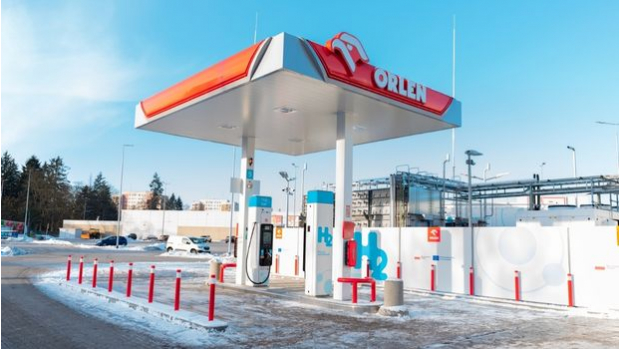
February 13, 2026ORLEN opened its fifth public hydrogen station in Piła with dual dispensers, 480 kg daily capacity, supporting municipal hydrogen buses and the EU-backed Clean Cities corridor.
Expanding Poland’s Hydrogen Network
ORLEN kicked off its journey with pilot stations in Poznań, then rolled out sites in Katowice, Wałbrzych, and Włocławek. Piła’s station keeps the momentum alive under the Clean Cities project, fuelled by EU’s Connecting Europe Facility funds. With two high-pressure pumps, it can refill around ten buses or thirty cars each day—enough to keep Piła’s fleet rolling non-stop. How does it work so seamlessly? Compressed hydrogen streams directly from ORLEN’s production hubs to the pumps, ensuring a steady supply. It’s proven tech turning hydrogen refuelling Poland into a reality.
Sustainable Public Transport in Piła
For the Municipal Transport Company in Piła, this is a total game-changer. They’ve locked in 219,000 kg of hydrogen supply and will soon launch their first five hydrogen buses. Tadeusz Majewski, the company’s CEO, says this switch supports Piła’s green goals, slashes exhaust emissions, and delivers cleaner air downtown. The real bonus? Hydrogen bus transport emits only water vapour, meaning quieter streets and less smog—a welcome change during rush hour. And it’s not just for buses: any hydrogen vehicle owner can refuel here 24/7 and join the low-emission mobility revolution.
EU-Backed Clean Cities Project
Thanks to more than €2 million in EU backing for Phase II of the Clean Cities project, ORLEN’s already live in strategic spots. Piła sits just 104 km from Poznań, creating a seamless corridor along the TEN-T routes that makes cross-border trips easier than ever. Looking ahead, Phase III’s €62 million pot will spark 16 more stations, targeting cities like Gdynia, Płock, Bielsko-Biała, and Gorzów Wielkopolski. “Hydrogen has massive potential in public transport,” says Jakub Lubiński from ORLEN’s Hydrogen Technologies Office, highlighting the need for dense station networks.
Strategic Implications and Future Growth
ORLEN’s shift from a traditional refiner to a multi-energy champion hinges on hydrogen. The company aims for 1 GW of electrolyser capacity by 2030, producing over 130,000 tonnes of renewable hydrogen annually. The Piła station isn’t a standalone pilot—it’s a piece of a larger puzzle. Future sites will draw hydrogen from both renewable electricity and waste-to-hydrogen processes, diversifying feedstocks. This blend gives ORLEN a unique edge, setting the stage for it to lead Poland’s emerging hydrogen economy and drive Europe closer to its zero-emission targets.
Environmental and Economic Impact
By fueling Piła’s buses with green hydrogen, this ORLEN hydrogen station directly cuts NOx and particulate emissions, improving air quality in a busy industrial area. Economically, EU grants are fast-tracking station builds and creating local jobs—from construction crews to operations teams. In short, hydrogen is cleaning the air and energizing regional economies. For cities and businesses exploring clean-energy paths, this model proves that large-scale hydrogen refuelling infrastructure is both feasible and beneficial.
Challenges and the Road Ahead
Rolling out high-pressure hydrogen stations isn’t without its hurdles: significant investment, strict safety standards, and skilled workforce training are all essential. Yet ORLEN’s phased approach—backed by EU funding—helps iron out the bumps. Standardizing equipment, streamlining permits, and partnering with local transport firms smooth the rollout. Watching Piła’s station in real-world operation will provide invaluable data on uptime, maintenance, and supply logistics—a critical feedback loop for scaling to the hundreds of stations Europe will need.
Beyond the press releases and metrics, the Piła station signals a shift in how we fuel our journeys. Hydrogen has moved from theoretical to tangible. Imagine swapping your next fuel stop for a hydrogen pump—that’s not only cleaner but a strategic move reinforcing our transport networks. With the Clean Cities project backed by solid EU support and a clear electrolyser roadmap, we’re paving a hydrogen highway across Poland and beyond. If you’re tracking the energy transition, keep an eye on Piła and its counterparts—they’re built for the future and ready today.

 With over 15 years of reporting hydrogen news, we are your premier source for the latest updates and insights in hydrogen and renewable energy.