Redesigning Clean Hydrogen Projects to Unlock Financing
Scaling clean hydrogen to gigawatt levels demands a four-pronged project redesign—covering risk, revenue, finance and policy—to secure the investments needed for net-zero energy security.
Have you ever noticed all the chatter about clean hydrogen yet so few gigawatt-scale projects actually get off the ground? It usually boils down to money—big, complex financing deals that leave investors scratching their heads. Let’s unpack this.
What’s the Deal?
Clean hydrogen—whether it’s made with renewable electricity (green) or paired with carbon capture (blue)—promises to slash emissions in industries where batteries just won’t cut it. We’re talking steel mills, shipping fleets, heavy-duty trucks and even balancing the grid when renewables take a coffee break. The International Energy Agency projects demand could skyrocket to 80 million tonnes by 2030, though today it barely makes up 1% of global hydrogen output. That gap? A huge opening—if projects can nail down the capital.
The Financing Bottleneck
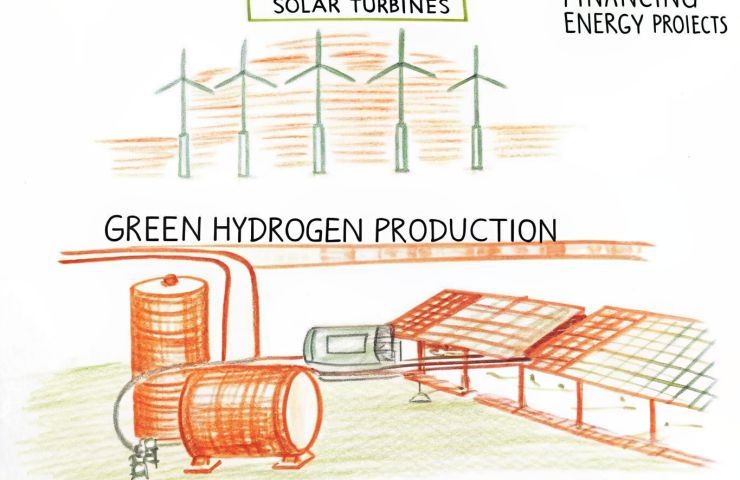
Here’s the snag: banks and equity investors want predictable returns, clear risk limits and rock-solid offtake contracts. Yet many early-stage clean hydrogen plans hinge on shifting regulations, unstable carbon prices and evolving technical standards. Toss in hefty upfront bills for electrolysers, water treatment gear and storage tanks, and you’ve got a real headache. Even with funding from the EU’s Hydrogen Strategy and the US Inflation Reduction Act, the next wave of projects must stand on its own two feet.
A Four-Pronged Makeover
The World Economic Forum argues that just piling on more grants won’t cut it. Instead, they say we need to rethink every project across four intertwined pillars: smarter risk-sharing, stable revenue models, creative blended finance and tighter alignment between policy timelines and investment milestones. For the nitty-gritty, check out the full WEF playbook.
Why It Matters
Scaling up clean hydrogen is pivotal for net-zero goals and bolstering energy security. Picture steel plants firing up with green hydrogen instead of coal, seaports handling zero-emission vessels and off-grid communities smoothing out renewables with onsite H2 storage. Beyond slashing CO₂, it diversifies supply chains—regions tap their own green power instead of importing fossil fuels, shielding them from volatile energy markets.
Lessons from History
Interest in clean hydrogen surged after the Paris Agreement mapped out net-zero roadmaps in 2015. By the early 2020s, the WEF had hydrogen hubs front and center. Then the EU Strategy landed in 2020, followed by the US Inflation Reduction Act in 2022, each dangling billions in support. Yet only a handful of projects have hit financial close—often because their project design didn’t sync with policy incentives or offtaker schedules. It’s a classic case of good intentions outpacing practical business models.
Collateral Impacts
On the upside, green and blue hydrogen can deliver deep emissions cuts in industries that are hard to decarbonize, spur new manufacturing jobs and open export markets for renewables-rich nations. On the flip side, electrolysers guzzle water, you need a whole network of compression stations and pipelines, and early adopters face sticker shock on capital costs. Without battle-tested financing templates, many developers fizzle out after the pilot phase.
Real-World Moves
Across Europe, integrated “hydrogen valleys” are weaving production, storage and industrial offtake under one roof. In North America, utilities and refineries are teaming up on blue hydrogen with carbon capture. Meanwhile in Asia, governments are locking in long-term supply contracts backed by sovereign guarantees. These pilots enjoy hefty subsidies, but they also reveal hiccups—procurement hold-ups, siloed funding and rulebooks that keep changing—underscoring the need for a fresh project design playbook.
Strategic Angle
Four strategic trends are emerging. First, blended finance vehicles that mix concessional and commercial capital. Second, industry-wide model offtake agreements to standardize terms. Third, cross-border partnerships stitching together end-to-end supply chains. And fourth, one-stop policy platforms that sync permitting, grants and regulations. These moves echo the WEF’s call for public-private cooperation and show that the foundations for large-scale deployment are finally coming together.
Zooming Out
Imagine a world where clean hydrogen flows like oil did in the last century: abundant renewables converted to H2, shipped halfway around the globe, then turned back into power, heat or industrial feedstock. That kind of fluid energy network could stabilize grids, decarbonize sectors beyond the reach of wind and solar and reshape global trade balances. To get there, projects must give investors a clear roadmap to revenue, with risks neatly parceled and timelines aligned.
Opportunity Knocks
For investors, developers and policy makers, this is a rare window of opportunity. Early backers can lock in long-term supply deals, share infrastructure costs and help define emerging standards. Aligning deals with the right project design could unlock outsized returns, boost ESG credentials and turbocharge the energy transition.
Next Steps
So what’s the game plan? Dive into the full WEF analysis, gather stakeholders around shared risk-sharing principles and kick off pilot projects that test the four-pronged approach in real settings. Developers should loop in banks early, nail down offtake contracts and build blended finance structures. Governments can streamline permitting, tie grants to milestones and lock in transparent carbon pricing. At the end of the day, cross-sector collaboration is what’s going to get clean hydrogen across the finish line.
If you’re tracking the energy transition, here’s the bottom line: clean hydrogen has moved from lab demos to real-world rollouts. What’s missing is a financing framework that can tackle its unique challenges. The World Economic Forum says a four-pronged redesign of risk, revenue, capital and policy is the secret sauce to unlocking the billions needed for gigawatt-scale projects. The tech is ready. The incentives are in place. Now it’s all about rethinking project design and execution to turn promise into reality. Are you in?