
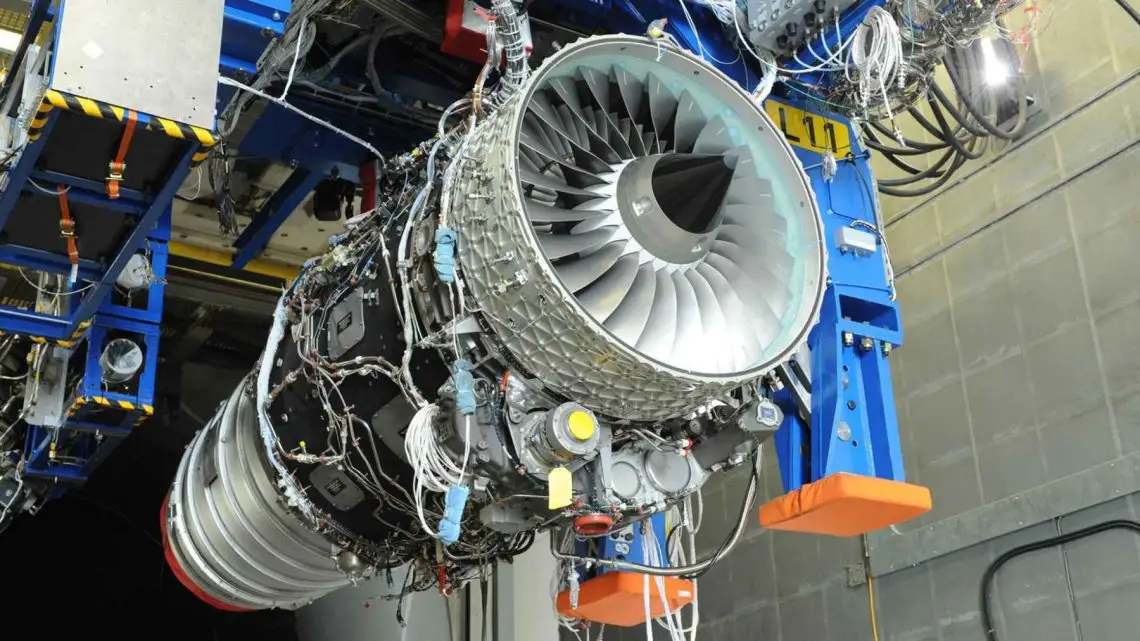
Rolls-Royce Powers Pearl 15 Turbofan on 100% Hydrogen to Full Takeoff Thrust
June 29, 2026Rolls-Royce has just hit a major milestone by successfully running a modified Pearl 15 turbofan engine on 100% hydrogen fuel during a simulated flight cycle at NASA’s Stennis Space Center. This accomplishment builds on a series of earlier tests in England and Germany, including a green hydrogen run back in 2022 on an AE2100 turboprop with easyJet at Boscombe Down, plus full combustor trials at the German Aerospace Centre in Cologne. By teaming up with the UK’s Health and Safety Executive, they’ve integrated high-flow hydrogen control and monitoring, signaling a big step toward complete system validation. Not only does this trial demonstrate flame stability, but it also shows how high-pressure hydrogen can be managed throughout an operational cycle safely. While the results prove that hydrogen is technically viable, the industry knows that we still have some hurdles to clear, like scaling the fuel infrastructure and ensuring robust safety protocols before we can really make a splash in the market.
Strategic Impact
This hydrogen engine breakthrough solidifies Rolls-Royce’s position as a pioneer in zero-carbon propulsion for the long haul. Their staged R&D process, which includes validating components, testing combustors, and running integrated engine trials, follows the traditional route of aerospace certification, helping to minimize technical risks. Market analysts are buzzing about the potential of the zero-emission engine segment, which could blossom into a multi-billion dollar market by the middle of the next decade. Investors are keeping a close eye on how Rolls-Royce leverages this lead against competitors in those up-and-coming hydrogen corridors that are powered by government decarbonization funding. Airlines looking to renew their fleets might see these advancements as a prompt to jump into early hydrogen offtake agreements and partnerships for airport infrastructure, which could reshape their future orders for next-gen engines like UltraFan.
Technical Snapshot
The demonstration involved a modified Pearl 15 turbofan equipped with custom hydrogen injectors, high-pressure piping, and flame-stabilizing technology. Engineers meticulously controlled the fuel flow and mixture ratios with custom valves and sensors, allowing the engine to navigate through all stages from startup to takeoff, cruising, and landing—all in one bench test. Here’s a fun fact: hydrogen packs about three times the energy per kilogram compared to kerosene but only a quarter of that by volume. So, we’re talking about needing high-pressure or cryogenic tanks, which could change the game when it comes to aircraft design and weight. They were able to capture real-time data on temperature, pressure, and emissions, and they built in safety measures like leak detection systems in collaboration with the Health and Safety Executive in Buxton, ensuring a quick shutdown if anything went awry. This approach mirrors the demands we’d expect in airport refueling setups, laying down a roadmap for future hydrogen distribution infrastructure on a larger scale.
Main Insights
Broader Context
Currently, aviation pumps out about 2.5% of global energy-related CO₂ emissions, which is why policymakers and industry groups are hunting for alternative propulsion methods. Sustainable aviation fuels may provide short-term carbon reductions that fit into our existing systems, but hydrogen combustion aims for zero emissions right at the source—though that means we’ll need to rethink refueling, storage, and safety protocols from the ground up. The EU and UK hydrogen strategies are eyeing airport hubs as launch points for zero-emission flight paths, while research labs and manufacturers around the world are racing to find the right balance between energy density, retrofit practicality, and lifecycle emissions. Hitting the right notes here could completely reshape airline routes towards decarbonization.
Parallel Developments
Beyond just combustion trials, some companies are exploring hydrogen fuel cells for distributed propulsion, showcasing a range of low-carbon options. Unlike electric systems, tweaking traditional turbofan cores could speed up certification and fast-track service entries by utilizing existing supply chains and maintenance setups. Over in Germany, the DLR facility in Cologne is continuing to test full-annular combustors under maximum takeoff conditions using the same Pearl 15 framework. This could serve as a testbed for collaborative developments across European partnerships. The push for various architectural designs highlights how crucial it is to have fuel-agnostic strategies in our future engine designs.
Financial Outlook
Bringing hydrogen engines into the mainstream will require a big infusion of capital. Engine makers need to adjust their production lines and secure specialty equipment for hydrogen-compatible parts, while airports will have to either retrofit existing refueling stations or build new ones with high-pressure storage solutions. Although green hydrogen currently comes at a higher price than kerosene, projected drops in costs due to increased electrolyzer capacity and renewable energy could help close that gap. Public-private funding efforts and hydrogen corridor grants are likely to be key players in covering the initial infrastructure costs and kick-starting those offtake agreements with airlines. To fund hydrogen projects, the industry often combines different forms of financing—equity, loans, and grants. Lessons learned from airport hydrogen corridor pilots could help divide costs among fuel producers, engine manufacturers, and airlines.
Environmental and Regulatory Challenges
Unlocking the climate benefits of hydrogen aviation is all about producing low-carbon hydrogen in large quantities, making sure to manage any other CO₂ impacts like contrail creation, and tackling lifecycle emissions. Regulatory bodies will have to nail down safety standards for hydrogen storage, integration into aircraft, and ground procedures, based on data from these recent engine-level trials. Some regulators have hinted that draft guidelines on certifying hydrogen aircraft could surface in the next few years, with operational manuals adapting from the current jet-fuel engine standards to smooth out the approval process. Getting international certification standards in sync will be crucial for enabling cross-border operations. As everyone aligns on these technical requirements, clear reporting on emissions and safety will inform policies and boost public acceptance.
While we’re still a few years away from full commercial service, Rolls-Royce’s latest hydrogen test marks a pivotal step toward developing zero-carbon aero engines. The next challenge? Bridging the gap between this engine test success and getting it operational. It’s all about aligning hydrogen supply chains, airport facilities, and regulations to create a solid alternative to traditional jet propulsion.


 With over 15 years of reporting hydrogen news, we are your premier source for the latest updates and insights in hydrogen and renewable energy.