
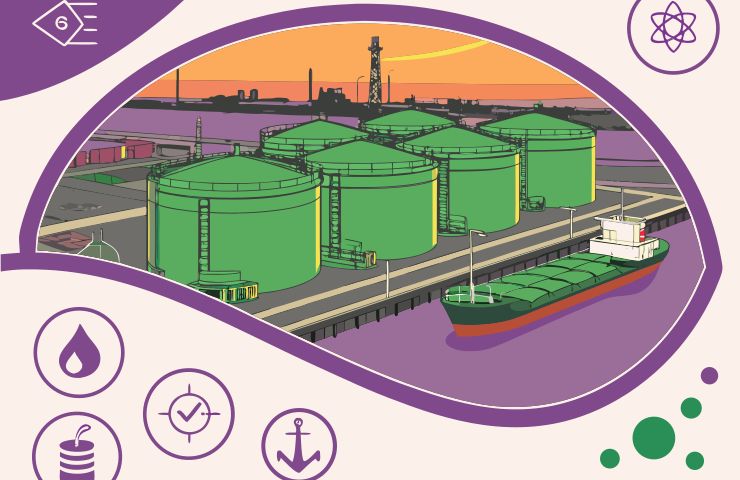
Shanghai’s Marine Fuel Bunkering Hub Plan Leverages Green Methanol and LNG by 2030
February 23, 2026Wondering if Shanghai could soon be Asia-Pacific’s go-to spot for marine fuel bunkering? On February 10, 2026, Beijing rolled out a roadmap aiming to transform Shanghai into an international green shipping hub by 2030.
National Strategy and Key Targets
The joint plan—crafted by the Ministry of Transport, the National Development and Reform Commission (NDRC) and eight other ministries—lays out clear milestones through 2030:
- Bonded LNG bunkering capacity: 1 million m³
- Supply of green methanol and biofuels: 1 million tons
- 55% of the government fleet running on green marine fuels by 2026
- Seven priority areas: supply, services, standards, safety, infrastructure, financing and carbon accounting
These targets dovetail with the IMO’s decarbonization push and China’s broader drive for industrial decarbonization in transport.
Local Innovations Powering the Plan
Shanghai’s edge comes from two homegrown breakthroughs:
- BESTm green methanol: Operated by Shenergy Group, this plant digests 10 tons of food waste to yield 1 ton of methanol via electric reforming and catalytic hydrogenation. Certified by ISCC EU and PLUS, it kicked off in December 2024 and can churn out up to 100,000 tons a year from the city’s 3.5 million ton waste stream.
- LNG bunkering facilities: Bonded terminals at Yangshan Port and Waigaoqiao will offer 24/7 supply for deep-sea and coastal vessels. With storage expansions on deck, they’ll help Shanghai hit that 1 million m³ target.
Incentives and Port Infrastructure
The Shanghai International Port Group (SIPG) isn’t just talking—they’re rolling out perks to speed adoption:
- 50% discount on berthing fees for vessels using certified green fuels
- Pilot night-time bunkering to slash vessel turnaround times
- Direct links with chemical parks on Hengsha Island and in the Yangtze estuary to streamline supply chains
Meanwhile, the Shanghai Shipping Exchange will publish price indices, launch green-fuel futures and track carbon credits to keep trading transparent and lively.
Wider Implications for Industrial Decarbonization
By knitting together feedstock, production and trading, Shanghai aims to:
- Cut maritime greenhouse-gas emissions by swapping out traditional bunkers for low-carbon alternatives
- Create local jobs across waste collection, fuel production, certification and logistics
- Boost China’s pricing power in global green-fuel markets, challenging hubs like Singapore
- Set benchmarks for carbon accounting and safety standards that could influence future IMO rules
This platform lines up perfectly with China’s ambition to lead in sustainable energy and tighten its grip on key shipping corridors.
Challenges and Future Outlook
The vision is bold, but hurdles remain:
- Infrastructure financing: Bonded terminals, storage tanks and pipeline networks will require hefty investment.
- Regulatory alignment: International safety and blending standards for methanol and biofuels are still taking shape.
- Supply-chain coordination: Growing from one 100,000-ton plant to a 1 million-ton capacity demands more feedstock and new facilities.
Still, with backing from ten central ministries and plenty of political momentum, Shanghai’s plan has more wind in its sails than most ports could dream of.
Get it right here, and you’ll see other Chinese coastal cities jump on board—driving down the cost of green marine fuels and supercharging hydrogen infrastructure and other sustainable energy solutions across the shipping world.
Sources: China Hydrogen Substack[1]; Shanghai Municipal Government[2][3]; China Daily[4]


 With over 15 years of reporting hydrogen news, we are your premier source for the latest updates and insights in hydrogen and renewable energy.