Solar Reactor Converts Plastic to Hydrogen Fuel in Cambridge Breakthrough
April 13, 2026At a research campus in the UK, University of Cambridge scientists let us in on a game-changing secret: their new Solar Photocatalytic Reactor can take stubborn, hard-to-recycle plastics and flip them into clean hydrogen fuel and handy acetic acid—powered solely by sunlight. This clever piece of kit isn’t just a neat trick; it’s a two-for-one punch that tackles both plastic pollution and the global push for green hydrogen. It’s a bright spark in global sustainability efforts.
How This solar reactor Actually Works
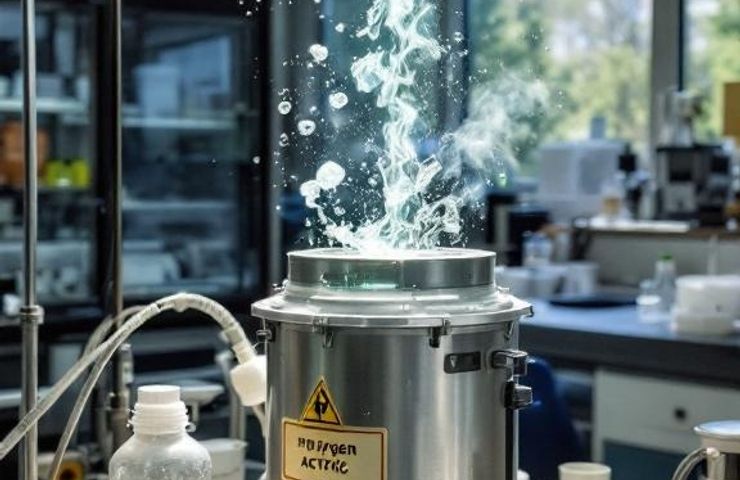
Think of it like a sun-powered chemistry magic show. Shredded plastic and a sunlight-activated catalyst hang out in the reactor, soaking up rays. When sunlight hits the semiconductor surface, electrons get excited and start a series of redox reactions on the plastic polymers. The result? Pure hydrogen bubbles off (hello, plastic-to-hydrogen action) and what’s left of the plastic’s carbon backbone becomes acetic acid. Best part—no extra heat or electricity needed, just clear skies and some plastic scraps. They’ve even sized the reactor to fit a standard shipping container for field trials.
From Pyrolysis to Photocatalysis: A Quick Backstory
Back in the 1970s, peeps first toyed with pyrolysis—cranking up the heat to break down plastic. Problem was, you needed fossil-derived energy and you ended up with a messy mix of byproducts. Fast-forward to the 2010s, when materials like strontium titanate made photocatalysis a legit carbon-neutral contender. The Cambridge team built on years of artificial photosynthesis research, slogging through a long road of trial, error and material hunts. Now, they’ve got something that could really change the game: a lab prototype that leans on nothing but sunlight.
Tackling Real-World Challenges
Here’s the kicker: plastic waste clocks in at over 400 million tonnes a year, choking landfills and oceans alike. At the same time, industries from steel to freight desperately need green hydrogen to hit net-zero goals. By merging those two headaches into one process, this solar reactor could ease the strain on our rubbish problem while pumping out zero-carbon fuel. Plus, the spun-off acetic acid can feed into a circular chemical economy—think vinegar, solvents, textiles, you name it. It could even slash the carbon footprint of energy-intensive industries, too.
Targeting Tough-to-Recycle Plastics
Most of the plastics we use every day—like polyethylene and polypropylene—are especially stubborn thanks to their stable polyolefin structure. The Cambridge crew zeroed in on these hard-to-touch polymers and showed their reactor could crack long hydrocarbon chains into simpler bits. They’re also testing blends of PET and other polymers to push the limits. Sure, they’re still fine-tuning performance metrics, but early tests look promising across a host of common packaging plastics.
Made in the UK, Built for a Greener Tomorrow
This innovation isn’t just a fancy lab demo; it’s a proud showcase of British brilliance in clean energy. By tapping into Cambridge’s photocatalysis expertise, the project sets the stage for pilot plants that could be built locally, creating high-tech jobs and know-how on home turf. Local manufacturing could drive down costs and speed up deployment. It’s a classic “made in the UK, built for the world” scenario, with the potential to export both the tech and the talent.
Why It Matters: Environmental and Economic Perks
Swapping plastics out of landfills cuts down methane leaks and ocean clutter in one fell swoop. The hydrogen fuel from this process could replace fossil-derived hydrogen in sectors that are tough to decarbonize. On top of that, the acetic acid byproduct offers a fresh feedstock for regional chemical plants, trimming imports. Early lifecycle analysis hints at a negative carbon footprint when scaled right. Naturally, hurdles like catalyst robustness, reaction selectivity and overall energy efficiency still need some TLC before we see a full-scale rollout. But the buzz from policymakers and green investors suggests they’re already on board with this solar-driven, closed-loop dream.
What’s Next?
Right now, the reactor is rocking it as a lab-scale prototype. The team’s got plans to tweak catalyst formulas, streamline the reactor design and launch pilot-scale demos. They’re also running real-world trials at small waste sorting facilities, eyeing collaborations with recycling firms to see how impurities and mixed plastics affect performance. A full industrial-scale setup might still be a few years down the road, but this project lights up what’s possible when you harness the sun’s free power.
All in all, Cambridge’s solar reactor feels like a watershed moment in plastic recycling and clean energy. If it lives up to its promise, we could be staring at a genuine breakthrough in both the fight against plastic waste and the race for green hydrogen. Stay tuned—this could be the breakthrough we’ve been waiting for.


 With over 15 years of reporting hydrogen news, we are your premier source for the latest updates and insights in hydrogen and renewable energy.