Solaris seals SWK Mobil Krefeld deal for hydrogen fuel cell buses
Polish Solaris Bus & Coach will supply 19 hydrogen fuel cell buses to SWK Mobil Krefeld, boosting Germany’s zero-emission fleet.
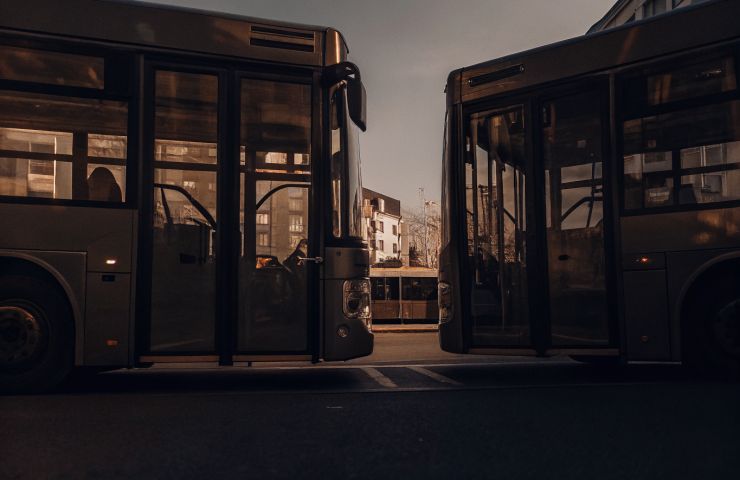
Picture yourself cruising to work with not a wisp of exhaust in sight. That’s exactly where Krefeld, Germany, is headed, thanks to Solaris Bus & Coach bagging a deal to supply 19 slick new hydrogen fuel cell buses to SWK Mobil Krefeld. We’re talking nine of the 12-metre Solaris Urbino 12 hydrogen models and ten of the 18-metre Urbino 18 hydrogen articulates. These will slot right in alongside the ten fuel-cell buses SWK Mobil added just last year, marking a bold step forward in their zero-emission technology fleet.
A new chapter for Krefeld’s fleet
All 19 buses will tackle the trickier regional runs around the Niederrhein, where steep hills and long distances can stretch battery-only vehicles to their breaking point. Hydrogen’s extra range and lightning-fast refuels make a real difference here. With SWK Mobil Krefeld moving roughly 100,000 passengers every day on buses and trams, these new H₂-powered giants will bolster longer routes and articulated services that really need reliable zero-emission rides.
SWK Mobil’s long transit tradition
Believe it or not, SWK Mobil Krefeld traces its roots back to 1884. It all kicked off with Crefeld-Uerdinger Localbahn AG, morphed into the KREVAG streetcar operator in the 1930s, and after WWII it pivoted to buses. Today, as part of Stadtwerke Krefeld AG, it runs trams and buses weaving through Krefeld’s industrial heart and riverside towns, serving around 100,000 daily riders.
Solaris’ hydrogen heritage
Journey back to 1996 in Bolechowo, Poland, and you’d find Neoplan Polska — the seed that would become Solaris Bus & Coach. A name change in 2001 was just the start; Solaris soon carved out a reputation with low-floor city buses, then branched into electric and hydrogen fuel cells. When the CAF Group swooped in during 2018, things really took off. By 2019 they rolled out their first Urbino hydrogen, and to date, Solaris has delivered over 25,000 buses in 33 countries — 800 of them fuel-cell powered, half patrolling Germany’s top 18 cities. Oh, and that Urbino 18 hydrogen? It snagged Bus of the Year in 2025.
Why hydrogen?
Here’s the deal: if your route includes hills or long interurban stretches, batteries can run out of juice fast. A fully charged battery bus might promise 200–250 km on flat ground, but toss in climbs and frequent stops and that range plummets. In contrast, a quick top-up at a high-pressure station can restore 300–500 km in minutes—just like filling a diesel tank. For SWK Mobil Krefeld, whose network bridges urban corridors and rural lanes, that reliability wins every time. Plus, by storing energy via electrolysis when wind and sun are abundant, hydrogen infrastructure eases the grid’s peak-hour strain.
Policy momentum and infrastructure growth
These buses aren’t just a tech novelty—they’re part of a wider push to decarbonize public transport. Germany’s National Hydrogen Strategy, boosted by a fresh €500 million pot this year, is fast-tracking station rollouts and funding research into next-gen fuel cell technology. Meanwhile, Europe’s Clean Hydrogen Joint Undertaking is underwriting pilot schemes, helping fuel-cell buses gain traction in at least 18 German cities from Cologne to Munich. National grants covering up to 80% of refuelling-station costs make it easier for operators like SWK Mobil Krefeld to invest alongside their battery-electric fleets.
Under the hood
Modern hydrogen buses are like rolling labs, integrating high-pressure tanks, a fuel-cell stack, batteries and electric motors into one system. On the roof, composite cylinders hold hydrogen at 350–700 bar, feeding a proton-exchange membrane stack that combines H₂ and O₂ to generate electricity, heat and water vapour. Solaris’s Urbino 12 packs a 160 kW fuel cell with a compact battery buffer; the Urbino 18 steps up to 240 kW for heftier routes. Regenerative braking tops off the battery and smooths power delivery, while the electric motor delivers instant torque. Refuelling with hydrogen instead of grid charging slashes downtime and sidesteps those heavy battery packs that can tip the scales at over 10 tonnes.
Rippling effects
Beyond cleaner air—where only water vapour exits the tailpipe—these 19 new buses send ripples across the economy. Production keeps skilled workers busy at Solaris’s Polish plant and suppliers throughout Europe. Electrolyser makers get a clear signal of rising demand for green hydrogen, pushing them to ramp up capacity and drive down costs. Around Krefeld’s industrial zones, locals should notice drops in NOₓ and particulates. Skeptics point to a 30–40% energy loss in producing and transporting hydrogen versus charging batteries directly, but as refuelling networks grow and renewable output scales up, hydrogen may well gain the upper hand on longer routes—especially for those chasing truly sustainable energy solutions.
A road ahead
Looking ahead, the Krefeld order is a clear sign that hydrogen buses are hitting their stride. Solaris has now delivered over 800 fuel-cell units Europe-wide, on the back of around 450 early orders. As more operators retrofit depots and plan local stations, the business case for hydrogen infrastructure—from standalone pumps to sprawling “Hydrogen Valleys”—becomes impossible to ignore. Of course, no two networks are identical: short shuttle lines might stick with batteries, while longer interurban routes lean on hydrogen. Ultimately, it comes down to route profiles, energy costs and policy frameworks. For regions like Niederrhein where city streets meet farmland and riverbanks, hydrogen could be the most sensible path to net-zero by 2030.
Driving decarbonization
This deal cements a partnership between an innovative Polish bus-maker and a storied German transit operator. It shows how public transport is transforming into a proving ground for sustainable energy, blending electric drivetrains with cutting-edge fuel cell technology. As these buses hit Krefeld’s streets, we’ll get real-world insights into total cost of ownership, operational resilience and passenger experience. And with every hydrogen refill, Krefeld edges closer to cleaner air, quieter streets and a more robust energy network.
About the CompanySolaris Bus & Coach is a leading European builder of electric and hydrogen buses. Founded in 1996 in Bolechowo, Poland, it has delivered over 25,000 vehicles in 33 countries, pioneering fuel cell technology and zero-emission technology for sustainable energy transit. SWK Mobil Krefeld, part of Stadtwerke Krefeld AG, runs buses and trams across the Niederrhein region, whisking around 100,000 passengers daily thanks to its expanding fleet of hydrogen fuel cells and electric vehicles.