Solid-State Hydrogen Transport: Hydrexia’s MHX Maritime Milestone
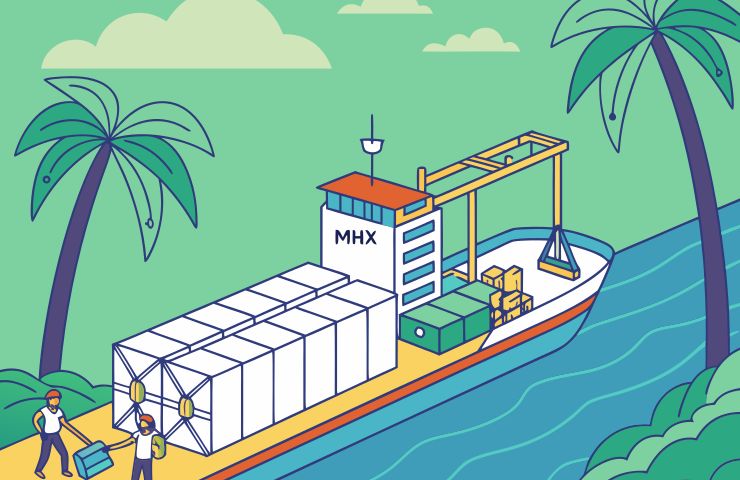
February 17, 2026What a splash Hydrexia Holding Limited just made in the world of Solid-state hydrogen transport by completing its first regional Maritime hydrogen shipment using game-changing MHX technology. The journey kicked off late last year in Kuching, Malaysia, charted courses through Singapore and Hong Kong, and only just wrapped up this month. This isn’t some lab-only stunt—it’s a full-blown demonstration that a transport solution built for tomorrow can tackle today’s toughest hydrogen logistics.
Behind this milestone lie decades of experiments with metal hydrides dating back to the 1970s. Back then, researchers spotted that Metal hydride hydrogen storage could tame hydrogen’s volatility and spread-out volume, but scaling it up always felt like chasing a mirage. Now, with Hydrexia loading its robust containers onto actual vessels, that long-promised path is finally emerging as a practical option for cross-border trade in an industry stalled by logistical headaches.
Why does this matter? Because getting hydrogen from A to B has been the elephant in the room for the global hydrogen economy. Traditional methods rely on massive compressors or cryogenic freezers—both of which guzzle money, eat energy, and demand heavy safety gear. By contrast, solid-state storage compresses hydrogen chemically at moderate pressures, tossing out the need for sub-zero chills or pressure-cooker tanks. It’s the kind of real-world solution that could finally drag the hydrogen dream into everyday reality.
The Challenge of Moving Hydrogen
Hydrogen’s appeal as a clean fuel is undeniable, but it comes with the so-called “energy density paradox”: it’s feather-light by weight yet sprawling by volume. To shrink it, you either crank up the pressure to hundreds of atmospheres or freeze it into liquid at eye-watering lows. Both routes take a big cut of the energy output, introduce boil-off losses, and demand bulky, high-spec vessels with rigorous safety rules. No wonder cross-border shipping has mostly been confined to short hops or dedicated pipelines.
Enter solid-state hydrogen transport. Instead of wrestling hydrogen into shape with brute force, you let a metal sponge—a hydride alloy—soak it up. That means you can stash tons of hydrogen in a container without jacking up the pressure or diving into cryogenics. Bonus: these metal hydrides latch onto hydrogen even tighter as temperatures climb, passively tamping down any leaks. It’s like having a built-in safety net for your hydrogen cargo.
Maritime Roadshow Unites Asia
Late last year, Hydrexia teamed up with SEDC Energy Sdn Bhd (a GLC under Sarawak Economic Development Corporation) for a regional showcase. The voyage set sail from Kuching—a city once famed for timber and oil and gas that now wants to be Southeast Asia’s next Hydrogen export hub. From there, the ship steamed into Singapore, one of the world’s busiest ports and a rising energy trading hub, before making final calls in Hong Kong, another major maritime center pushing hard on decarbonization.
At each stop, teams from KPT Chemical Group Vietnam and Hong Kong MomentuX Technology joined for hands-on demos, proving the containers fit right into existing port routines. It was a clear sign that no major terminal overhaul is needed—you just slot these units in alongside regular cargo, and you’re off to the races.
“The feedback from our regional partners has been off the charts,” says Alex Fang, Chairman and CEO of Hydrexia. Over in Malaysia, Robert Hardin, CEO of SEDC Energy, adds that this proof-of-concept “opens doors for Sarawak as we move into commercial negotiations.” Those early talks could solidify what started as a demo into ongoing hydrogen trade lanes.
How MHX Technology Works
The real magic happens inside the Metal Hydride Hydrogen Storage Container (MHX). Picture a specially formulated magnesium-based alloy that invites hydrogen into its crystal lattice during a gentle hydrogenation reaction. No extreme pressure, no -250°C chill—just a clever chemical bond that packs hydrogen almost as densely as liquid form.
When you need fuel, a controlled heat-up step kicks off dehydrogenation, releasing the gas. Because the reaction is reversible, you can cycle loading and unloading again and again. And thanks to the thermal stability of these metal hydrides, they become even more secure if things get too warm, clutching hydrogen tighter rather than letting it slip away.
Throughout the maritime trials, teams measured performance against strict safety and efficiency benchmarks. While exact numbers are still under wraps, partners like Hong Kong MomentuX Technology report “impressive ton-scale production capacity,” signaling that MHX technology is out of the pilot phase and gearing up for commercial volumes.
Early analyses suggest MHX could cut the energy footprint of storage and transport compared to brute-force compression or cryogenic liquefaction. Ports won’t need bulky compressors or liquefiers—operators can handle these containers much like any other cargo, unlocking fresh flexibility in supply chains. On the flip side, a surge in demand could strain magnesium alloy supply, so scaling up responsibly will be crucial.
Strategic Significance for Sarawak and Beyond
For Sarawak, this milestone is more than a tech demo—it’s a strategic turning point from timber and oil and gas toward a full-blown clean energy play. Kuching’s port upgrades and logistical revamps are now front and center, attracting green hydrogen investment and sparking a wave of skilled jobs.
The effects ripple far beyond Malaysia. Governments in Singapore and Vietnam are watching closely as they chart their own hydrogen roadmaps. Imagine clean shipping corridors powered by hydrogen cutting emissions across one of the world’s busiest maritime regions. Industry experts say that validated Metal hydride hydrogen storage is the linchpin for achieving regional climate targets and broader decarbonization goals.
On the commercial side, this proof-of-concept paves the way for truly multinational supply chains. Instead of relying on pipelines or local production, countries could import hydrogen from low-cost production hubs, boosting energy security and spreading economic benefits. It’s the decentralized energy model analysts have been talking about for years—but never quite seen come together until now.
Next Steps and Challenges
With proof-of-concept in hand, Hydrexia and its partners are shifting into early commercial negotiations. Locking in supply contracts will test pricing models, reveal real operating costs, and set the stage for long-term agreements. The big test? Matching turnaround times with conventional fuels—while you’ve ditched the cryo-chillers, port workflows still need fine-tuning for speedy loading and unloading.
Regulatory clarity is just as vital. International maritime rules—governed by the IMO and IMDG code—are only now catching up to solid-state methods. Making sure MHX containers tick all the boxes for classification, stowage, and handling will mean close cooperation with regulators and port authorities.
On the technical front, passive safety is a huge plus, but operators will still need iron-clad inspection and maintenance protocols. And as production ramps, supply chains for magnesium-based alloys must scale sustainably to avoid new bottlenecks or environmental hiccups.
Built for the Future
It’s clear that MHX technology isn’t just a laboratory curiosity—it’s stepping onto the frontlines of decarbonizing heavy-duty shipping and industrial supply chains. By linking Kuching, Singapore, and Hong Kong in a smooth maritime corridor, Hydrexia Holding Limited has shown it’s serious about leading the clean energy transition. This magnesium-based system lays the groundwork for safer, more nimble hydrogen trade networks.
Bottom line: this month’s milestone marks a new chapter in the hydrogen economy. As commercial talks heat up and ports adapt their infrastructure, we’re on track for a revolution in clean energy logistics across Asia.


 With over 15 years of reporting hydrogen news, we are your premier source for the latest updates and insights in hydrogen and renewable energy.