South Korea Advances Hydrogen Production with 20kW Anode-Supported SOEC System
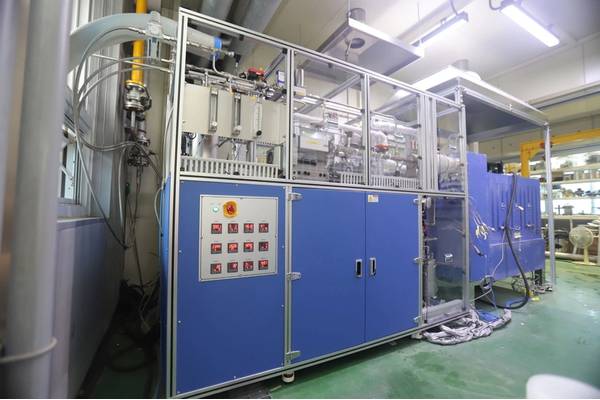
March 23, 2026We often hear lofty targets, but KIMM’s latest feat really brings its 2050 carbon neutrality vision within reach. The team rolled out South Korea’s first 20kW-class anode-supported solid oxide electrolysis cell (SOEC) system, and it’s been humming along for over 3,000 hours with more than 83% electrical efficiency. This isn’t just a lab trick—it’s a pilot-scale plant that taps into industrial waste heat to slash costs in hydrogen production.
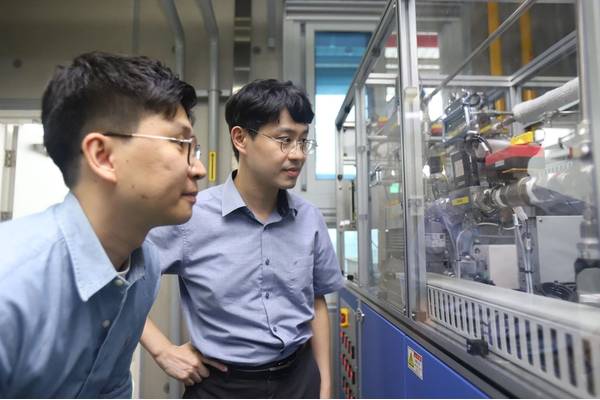
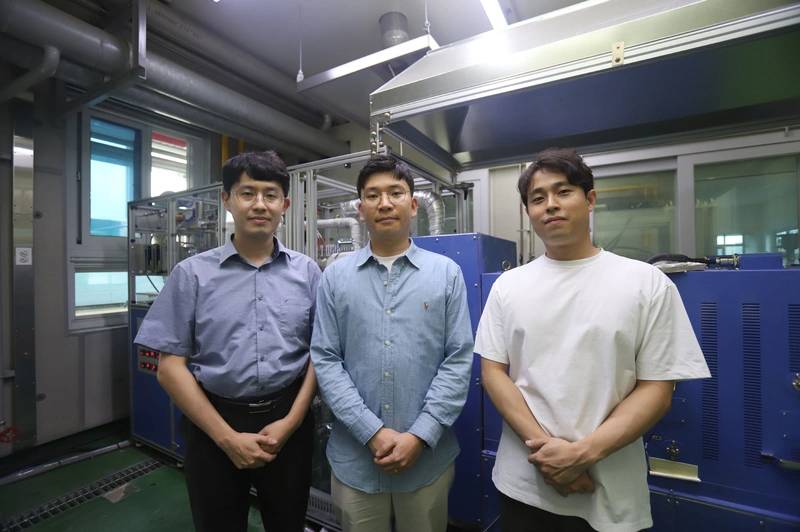
Just this month, KIMM joined forces with POSCO Holdings, the Korea Institute of Energy Research (KIER) and KCERACELL, thanks to backing from MOTIE/KETEP. They cranked out roughly six normal cubic meters of hydrogen every hour, all by preheating steam to about 200°C using captured heat. The result? Up to a 15% drop in electricity demand compared to your run-of-the-mill electrolyzer. Dr. Young Sang Kim, who heads the project, reckons these efficiency gains could shave nearly a quarter off hydrogen costs as we ramp up.
Why Waste Heat Integration Matters
Traditionally, electrolysis leans entirely on electricity, so every kilowatt-hour counts. By snagging low-grade waste heat from nearby industrial processes—think steel furnaces—the system needs less electrical juice to split water into hydrogen and oxygen. It’s a neat way to boost overall system efficiency and ease the strain on the national grid, especially as Korea moves away from coal, which still made up nearly 29% of its power mix in 2025.
This kind of energy swapping is textbook industrial decarbonization and mirrors the principles of industrial symbiosis, where one factory’s waste becomes another’s input. In a country as crammed for resources as South Korea, squeezing every bit of value—from green hydrogen to sustainable energy assets—means more stable electricity prices and a smoother ride as hydrogen production scales up.
High-Temperature Electrolysis with SOEC
So, what makes an SOEC tick at 700–800°C? It uses ceramic materials that shuttle oxygen ions across a thin electrolyte. In KIMM’s anode-supported design, the anode plays a structural role, letting engineers slim down the electrolyte layer and pump up the current density. Hitting that 3,000-hour mark with stable performance isn’t just bragging rights—it’s a big step toward the durability you need for real-world applications.
But it’s not all about the cell stack. KIMM’s pilot brought together custom manifolds for gas routing, high-efficiency heat exchangers, and top-notch insulation. Intelligent control algorithms constantly tweak temperature gradients to dodge thermal stress. The upshot? A modular stack assembly you can scale by plugging in more parallel units—a solid strategy when you’re eyeing megawatt-class systems.
Compared to alkaline and PEM electrolysis, SOEC stands out with its ability to piggyback on heat, driving electrical efficiencies skyward. That makes it a killer choice for heavy-duty uses—whether you’re churning out ammonia or directly reducing iron ore, the cost and energy savings really add up.
Building a Hydrogen Supply Chain
For POSCO Holdings, hydrogen production isn’t just hype—it’s key to greening up steel. By blending renewable hydrogen into its blast furnaces, POSCO hopes to cut CO₂ emissions by replacing some of the coal feed. KIMM’s SOEC demo offers a local solution: on-site hydrogen generation that could trim logistics costs and shrink reliance on imports.
KIER brings its A-game in system integration, while KCERACELL supplies the specialized ceramic cells that keep SOECs humming without wearing out. It’s a classic win-win, fueled by the MOTIE/KETEP framework that nudges national labs, research outfits, and industry to pool their strengths and tackle both tech and supply chain hurdles.
And don’t think steel’s the only game in town. Chemical makers, shipping firms chasing zero-emission fuels, even power plants hunting grid-balancing solutions—all stand to gain from reliable, on-site SOEC hydrogen. Spreading demand across industries is exactly what’s needed to cement South Korea’s place on the global hydrogen production map.
From Roadmap to Reality
South Korea’s hydrogen saga kicked off with a 2019 national roadmap packed with ambitious targets for production capacity, fuel cell vehicles, and infrastructure. Fast-forward to today, and the government’s latest energy plan is all about 100 GW of renewables by 2030 and phasing out coal. In that context, seeing an SOEC system rock-solid at scale is more than a milestone—it’s proof that lab-scale promises can make the leap into real-world plants.
That successful demo now feeds into a policy buffet full of subsidies for hydrogen refueling stations, incentives for big industrial users, and a $29 million bump in R&D funding. These are the kinds of carrots you need to speed up commercialization and prime South Korea to export its clean hydrogen know-how.
Challenges and the Road Ahead
No sugarcoating here—going from 20 kW pilots to multi-megawatt powerhouses comes with a stacked to-do list. You’ve got to nail ceramic cell manufacturing with tight tolerances and high yields. Then there’s the puzzle of lining up thermal systems perfectly to keep performance from drifting. And let’s not forget the infrastructure side: pipelines, storage hubs, the works. That all needs coordinated funding and development.
Meanwhile, research centers and private companies worldwide are racing toward similar efficiency goals. But South Korea’s cocktail of robust government support, strong industry alliances, and top-tier R&D institutions gives it a leg up. KIMM’s next-gen SOEC modules, shooting for over 85% electrical efficiency and featuring AI-based diagnostics to sniff out early degradation, could be the wildcard that fast-tracks reliable commercial stacks.
Looking Forward
If there’s one headline takeaway for industry watchers, it’s that high-temperature electrolysis is treading ever closer to market-ready status. SOEC’s knack for harnessing industrial waste heat makes it a perfect match for manufacturing-heavy regions like South Korea. As pilot projects shift into full-scale deployment, it’ll be fascinating to see how quickly real-world plants can hit those stellar lab numbers.
Zooming out, clearing the technical and logistical walls could unlock a vibrant domestic green hydrogen economy—one that cuts import reliance, spawns clean-tech jobs, and drives export growth. The challenges are real, but KIMM’s 20 kW SOEC system is a loud signal that sustainable energy solutions can be more efficient and affordable than we once believed.
At the end of the day, South Korea’s latest breakthrough isn’t just another tech demo on the shelf. It shows that when you marry strategic R&D funding with cross-sector collaboration and smart policies, you can truly move the needle on industrial decarbonization and reshape the energy landscape.


 With over 15 years of reporting hydrogen news, we are your premier source for the latest updates and insights in hydrogen and renewable energy.