Spain Allocates €439.4 M to 250 MW Electrolysis Capacity
Spain commits €439.4 M to 250 MW of green hydrogen electrolysis—€389 M to Iberdrola’s Huelva projects and €50.21 M to Doña Urraca Energy’s Quixotgen in Albacete, advancing the 11 GW by 2030 roadmap.
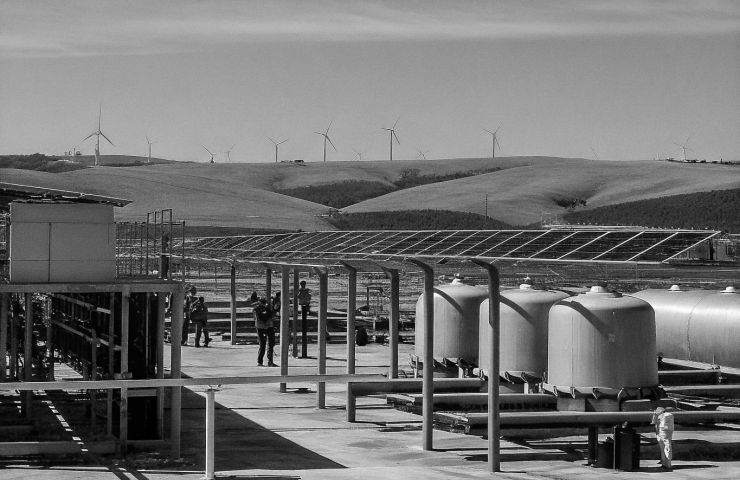
Back in May 2026, Spain’s Ministry for the Ecological Transition and the Demographic Challenge, or MITECO for short, got behind the green energy movement with a hefty boost of €439.4 million in national PRTR funds. This cash injection is aimed at three big green hydrogen projects, which together bring a total of 250 MW in electrolyser capacity to the table. Leading the charge, we’ve got Iberdrola with two key projects: the Noon II 80 MW plant and the impressive Odin 140 MW plant, both of which are set to rise in Huelva province as part of the budding Andalusian Green Hydrogen Valley. Not to be left out, the third project, Quixotgen, is spearheaded by Doña Urraca Energy in Villarrobledo, Albacete. The funding for these projects comes through IDAE’s Availability and Ahorro de Suministro (AaaS) mechanism, which is aimed at getting those initiatives that missed out on EU funding back on track.
Strategic Market Impact
This fresh round of funding is a game changer in several ways:
- It cements Andalucía’s position as a green hydrogen hub, tapping into over 2,280 annual sunshine hours for large-scale solar projects;
- It paves the way for Spain to reach an ambitious goal of 11 GW of electrolyser capacity by 2030, up from an earlier target of 4 GW;
- It aligns with the PERTE ERHA framework, which plans for €6.9 billion in public and €9.5 billion in private investments to ramp up renewables and hydrogen ventures;
- It accelerates the shift toward decarbonizing sectors like chemicals, steel, and transportation using green hydrogen;
- It integrates smoothly into the EU-supported H2Med corridor, which opens the door for hydrogen exports to France and Germany.
In Andalucía, where the GDP per capita isn't quite hitting the national highs (approximately €21,091 compared to €32,633), these projects could birth new industrial clusters and kickstart local value chains. Over in Castilla-La Mancha, where you’ll find Villarrobledo, the Quixotgen project taps into abundant wind and solar resources to help decarbonize local agriculture and transport.
Technical Snapshot
So, what’s all the tech talk about? Here’s a quick rundown of the key details:
- Total capacity: 250 MW (80 MW for Noon II, 140 MW for Odin, with the remainder coming from Quixotgen), equating to around 50,000 tonnes of hydrogen per year at design load factors;
- Renewable integration: These projects will be powered by dedicated onsite solar and wind through power purchase agreements;
- Water footprint: About 9 to 20 liters of demineralized water will be needed for every kg of hydrogen produced, making resource management crucial;
- Storage & compression: High-pressure tanks will be used to facilitate industrial and transport hydrogen needs;
- Status: Currently, Noon II and Odin are in the pre-construction phase, while Quixotgen received environmental approval late 2025.
Main Insights
- Funding breakdown: Iberdrola is set to rake in around €389 million (with Noon II getting €139.8 million and Odin snagging €249.76 million); Doña Urraca Energy secures €50.21 million.
- Pipeline boost: Spain’s installed capacity shoots up from around 235 MW to nearly 485 MW.
- Emission abatements: Together, these projects have the potential to reduce CO₂ emissions by several hundred thousand tonnes annually compared to conventional grey hydrogen.
- Job creation: Comparable projects in Huelva have already generated over 3,600 jobs.
- New players joining the game: Doña Urraca Energy is a great example of how national initiatives can help emerging companies find their footing.
- Restoring momentum: This funding comes on the heels of a 66% cut to Iberdrola’s hydrogen targets in 2024 due to subsidy delays.
Broader Context
Spain’s journey into green hydrogen really took off with the Hydrogen Roadmap back in 2020, and then gained serious speed with PERTE ERHA in 2021. The EU originally set a target of 6 GW by 2024, but that’s now been bumped up to a whopping 11 GW for 2030. Public support has evolved into availability-based AaaS schemes to protect against capital risks. Important projects like Iberdrola’s Puertollano plant (20 MW and over 200,000 tonnes of hydrogen a year) have laid the groundwork, yet the EU budget ceilings forced national rescue initiatives like the AaaS to come into play.
Beyond just domestic supply, Spain’s green hydrogen could also play a key role in producing clean ammonia for shipping and fertilizers, using its deepwater ports to facilitate these operations. Early offtake agreements with steel and chemical firms are in the works, with hopes of securing stable costs below €2/kg by 2028, assuming the stars align.
Looking Ahead
As electrolyser manufacturing ramps up and the costs of renewable energy keep dropping, Spain is well-positioned to hit that sub-€2/kg mark for green hydrogen in select regions. Its strategic geography and access to export corridors could make it a future net exporter of hydrogen. It’ll be vital to keep a close eye on water sourcing and land use to ensure sustainable growth.
This latest funding round really showcases Spain’s determination to push for industrial decarbonization, uplift lagging regions, and bolster energy independence—setting the stage for the next big chapter in Europe’s hydrogen economy.