Subsea Hydrogen Pipeline: BarMar Begins Public Consultations for H2med Corridor Link
BarMar SAS launched public consultations in France for its 400 km subsea hydrogen pipeline from Barcelona to Fos-sur-Mer, a key H2med corridor link.
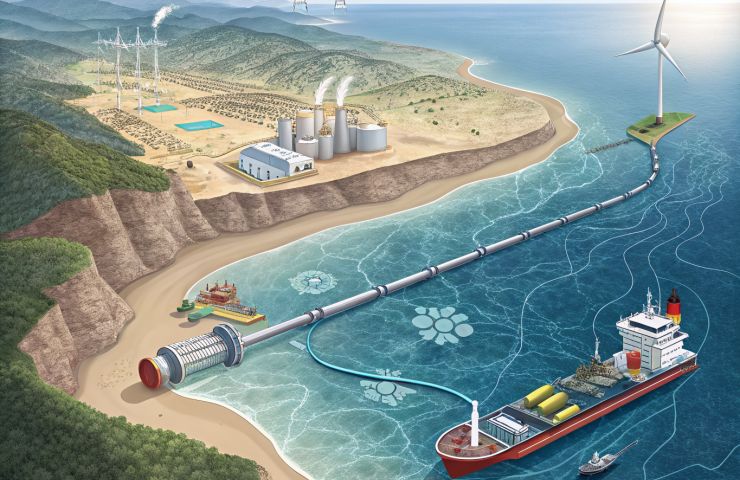
Have you heard about the exciting new subsea hydrogen pipeline project that BarMar SAS is kicking off in France? This is pretty big stuff! Imagine a pipeline stretching about 400 kilometers along the Mediterranean seabed, connecting the bustling port of Barcelona with the industrial hub near Fos-sur-Mer. Touted as part of the H2med corridor, this pipeline aims to transport up to two million tonnes of renewable hydrogen each year when it's fully operational. It's a significant milestone in Europe’s push to decarbonize heavy industry and boost energy independence.
In the coming months, local residents, city officials, environmental activists, and industry players will have their say through around 25 consultation events spread across southern France. Under the watchful eye of the national commission for public debates (CNDP), these sessions will focus on essential topics like environmental protections, route choices near sensitive areas, and the design of onshore stations. Feedback from the community will be crucial in fine-tuning the final environmental impact assessments before moving forward with permitting and construction.
What makes this pipeline a game-changer?
This subsea pipeline isn’t just another construction project; it represents the next wave of hydrogen infrastructure. The pipeline itself is a sturdy 42 inches in diameter and designed to withstand pressures of up to 100 bars. Engineers opted for steel because of its resilience and durability, but they’re also looking into fiber-reinforced polymer (FRP) liners to keep things lightweight and prevent hydrogen embrittlement. Laying this line across depths of up to 120 meters means using specialized trenching machines and vessels that will carefully position each segment without disturbing the delicate seabed ecosystems.
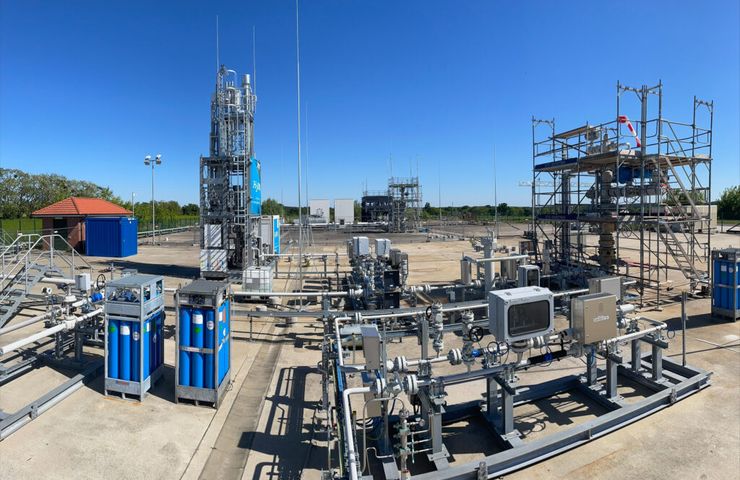
Two robust compressor stations will be set up at each end of this route to ensure a steady flow. Each station can deliver up to 60 MW of compression power, taking hydrogen gas produced through electrolysis—and sourced from solar and wind energy in Catalonia—to astonishing pressures of 5,000–10,000 psi. This high-pressure hydrogen will be injected into the subsea pipeline, propelled effectively by pressure differences, and monitored by inline sensors to catch any hitches right away.
Once the hydrogen arrives at the shore in Fos-sur-Mer, it gets decompressed to either flow through existing pipelines or go directly to local industrial clients like steel mills and chemical plants. By creating a dedicated pathway for zero-carbon hydrogen, the BarMar project tackles a significant challenge for the industry: transporting large volumes of hydrogen across borders without relying on fossil fuels or losing too much energy in the process.
Meet the developers powering the project
So, who's behind this ambitious endeavor? The BarMar project is a collaborative effort involving three major gas transmission operators:
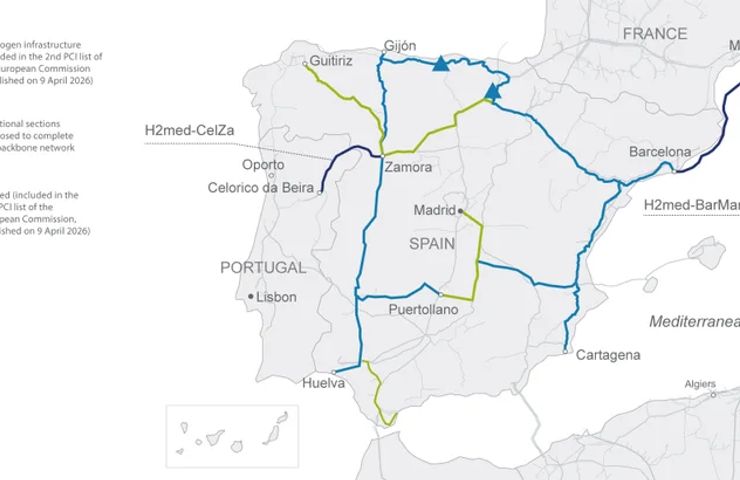
- Enagás holds a 50% stake in the BarMar SAS joint venture. As Spain’s national gas system operator, they’ve already laid down two significant renewable hydrogen backbones that span about 2,750 km and developed key storage solutions. Plus, Enagás plays a pivotal role in driving Spain’s hydrogen certification and blending initiatives.
- NaTran, previously known as GRTgaz and part of the Engie family, owns a third of the project. They’re well-regarded for their skill in converting existing natural gas pipelines to carry hydrogen, and they’ve done exhaustive feasibility studies that back the technical viability of this subsea route.
- Teréga rounds out the team with the remaining 16.7%. Managing over 5,000 km of pipelines in southwest France—making up more than a quarter of the national grid—this company also oversees sizeable underground storage facilities. Their recent collaboration with Enagás to bolster cross-border efforts marks a significant stride towards an integrated Iberian hydrogen network.
These partners combine decades of experience in grid operation and storage to navigate the design, risk analysis, and permitting stages of the BarMar project. Their work on related corridors, like the CelZa link between Spain and Portugal, further solidifies the vision for a hydrogen highway across Europe.
Driving decarbonization and growth
The BarMar pipeline could deliver an array of benefits as Europe transitions to a greener future:
- Significant emissions cuts: By redirecting renewable hydrogen to replace gray hydrogen and natural gas, challenging industries such as chemicals and steel could drastically reduce their carbon footprint.
- Strengthened energy sovereignty: By harnessing domestic solar and wind resources in Catalonia, Europe could significantly decrease reliance on imported fossil fuels, aligning with the EU’s goal of cutting emissions by at least 55% by 2030.
- Economic stimulus: The project represents a hefty investment of around €2.1 billion, set to create hundreds of construction and engineering jobs, refresh port activities at Barcelona and Fos-sur-Mer, and generate ongoing employment for operations and maintenance.
- Market integration: With the EU granting it a Project of Common Interest (PCI) designation, BarMar fits seamlessly into the European Hydrogen Backbone, fostering a fluid, continent-wide market where hydrogen can flow efficiently between production centers and consumption hotspots across France, Germany, and more.
- Technological validation: If this project proves successful, it’ll showcase subsea hydrogen transport on a grand scale, paving the way for further pipelines that utilize FRP innovations to cut costs by an expected 20% and cater to increasing demand.
Moreover, the consultative process ensures that environmental factors—such as preserving marine biodiversity and managing sediment—are prioritized right from the start. Plans are in place for timed trenching to dodge spawning seasons and for modifying routes to avoid critical ecological zones.
What’s next on the horizon?
With community discussions in full swing, BarMar SAS is all ears for feedback that'll help refine its route and station designs before submitting the final environmental impact documents. Thanks to its PCI status, the project is set to benefit from quicker permitting and eligibility for Connecting Europe Facility funding, making the jump from planning to construction that much smoother.
On the construction side, vessels and trenching equipment are ready to go, waiting for contract approvals later this year. Shore-based work at Barcelona and Fos-sur-Mer will happen a few months ahead of the offshore activities, allowing teams to set up the compressors and grid interconnections while marine installations are getting underway.
Looking ahead, talks are in progress with operators in Germany and Italy to extend hydrogen corridors through OGE and Snam networks. If all goes to plan, these extensions could ramp up annual transfer capacity well beyond that initial two million tonnes, turning the Mediterranean into a central hub for green hydrogen production and distribution.
As Europe carves out its path toward a carbon-neutral future, projects like BarMar highlight the need for robust hydrogen infrastructure that connects renewable energy sources with heavy industrial demand. This subsea pipeline isn’t just a pipeline; it’s a strategic asset that can convert wind and solar energy into a clean fuel supply that can energize steel mills, chemical factories, and even maritime shipping—all while steering clear of fossil emissions. The next few months of public engagement will shape its final design, but one thing stands out: a greener Mediterranean connection is on the way.