
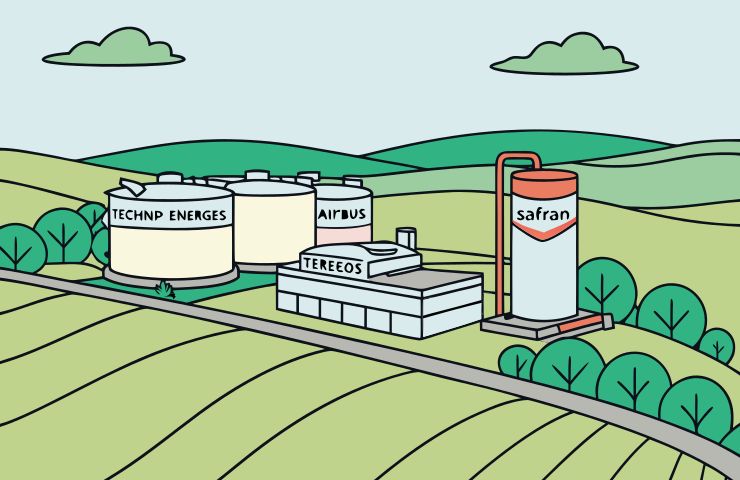
Sustainable Aviation Fuel Project in France: Technip Energies, Airbus, Safran and Tereos Collaborate
June 18, 2026Four big names in France’s industrial sector have joined forces to kick off an exciting project focused on sustainable aviation fuel (SAF). We’re talking about heavyweights like Technip Energies, Airbus, Safran, and Tereos, who are all set to create a facility that turns agricultural and biogenic feedstocks into certified jet fuel. By tapping into local resources and expertise, they’re aiming to speed up the journey toward decarbonizing aviation while reducing the dependence on imported fossil kerosene. And they’re not holding out for new propulsion technologies to come into play—this initiative is about making a change now.
Building the Value Chain
This partnership really brings together a mix of skills across the SAF value chain. Technip Energies is stepping up to handle the process design and engineering for the plant, drawing on their solid experience with energy transition projects. Meanwhile, Tereos will supply the necessary sugar beets and cereals, along with ethanol. In the mix, Airbus and Safran are playing critical roles to ensure the fuel meets all the aircraft and engine specs for certification and safe operation.
Engineering and Project Leadership
Technip Energies, which spun off from TechnipFMC in 2021, has quickly built a name for itself in low-carbon solutions. They’re well-known for designing biofuel and e-fuel plants, so they’ll be leading the charge in integrating key processes like dehydration, oligomerization, and hydrogenation. Their work will range from kicking off feasibility studies all the way to detailed engineering, with the goal of delivering a facility that checks all the boxes for EU and French sustainability requirements.
Supplying Agricultural Feedstocks
Since its inception, Tereos has been an agro-industrial cooperative, processing sugar beets and cereals into a variety of products like sugar, starch, and bioethanol. They have plans to channel existing ethanol output into an alcohol-to-jet (ATJ) pathway or something similar, which could provide a drop-in feedstock for SAF production. While they’re still sorting out the exact conversion route, Tereos has the biorefinery infrastructure that’s essential for scaling up big SAF projects right here in France.
Ensuring Aircraft and Engine Compatibility
Airbus and Safran bring valuable insights to the table as they focus on validating the fuel for use in aircraft. Airbus is tasked with defining aviation requirements and guiding certification pathways, ensuring the fuel works with both current and future fleets. On the other side, Safran adds their engine performance expertise, making sure that systems can safely burn high-blend SAF without needing major tweaks. Both companies are committed to reaching net-zero CO₂ targets and view SAF as a key transitional solution.
Exploring SAF Pathways
When it comes to producing sustainable aviation fuel, there are certified routes available like HEFA, Fischer–Tropsch, and ATJ. In the ATJ process, ethanol is first dehydrated into olefins, then oligomerized to create jet-range hydrocarbons, which are ultimately refined into synthetic kerosene. This method aligns perfectly with Tereos’ bioethanol foundation. However, the group hasn’t zeroed in on a single technology yet; instead, they’re weighing different options to find the right balance between feedstock sustainability, process efficiency, and cutting down lifecycle emissions.
France as a Strategic Hub
France boasts an impressive mix of established aerospace industries alongside a robust agricultural sector. It’s home to Airbus assembly plants and Safran facilities, not to mention a strong network of sugar-beet cooperatives. With the EU’s Fit for 55 initiative and national low-carbon strategies making SAF blending requirements tighter, this makes France an ideal testing ground for a supply chain that connects farm fields straight to airport fuel hydrants.
Transitioning from Pilots to Scale
So far, early SAF initiatives have largely revolved around demonstration flights and offtake agreements, resulting in limited supply. But with this new endeavor, the partners are hoping to break free from just small pilots and ramp up industrial-scale production. By putting together a fully integrated local chain, they want to show everyone that large quantities of SAF can indeed be produced right here. If they pull it off, it could prompt airlines to jump into long-term contracts, stabilizing demand and encouraging further investments.
Economic and Environmental Benefits
Creating a domestic SAF facility has the potential to generate jobs in rural areas, support local farmers, and provide high-value outlets for crops. Not to mention, replacing imported jet kerosene could really give France a boost in its trade balance. Environmentally, SAF offers noteworthy lifecycle greenhouse gas savings when produced from thoughtful renewable sources, although it’s crucial to manage land use impacts carefully. This consortium is committed to sticking to strict sustainability criteria to keep those risks at bay.
Policy Levers and Market Signals
Incentives from the EU and French governments—including mandates, tax credits, and potential contracts for difference—are vital for making the first-of-their-kind plants less risky. By aligning with policy frameworks and CORSIA guidelines, this project aims to serve as a solid model for regional SAF ecosystems. Plus, having visible support from major players like Airbus, Safran, and Technip Energies could give a nice boost to investor confidence and encourage other agro-industrial players to jump on the SAF bandwagon.
Global Context and Trends
Under ICAO’s CORSIA scheme, SAF is seen as a crucial strategy for slashing international aviation emissions. While the initial supply has leaned heavily on HEFA fuels, this French consortium is diving into ATJ and other routes. By marrying feedstock sourcing, process engineering, and fleet certification, they’re part of a second wave of coordinated efforts aimed at tackling the bottlenecks that plagued earlier pilot phases.
Linking to Hydrogen Ambitions
This project may be focused on SAF, but it lines up nicely with broader hydrogen goals as well. Technip Energies is pushing forward with green hydrogen and carbon capture initiatives, Airbus is working on zero-emission hydrogen aircraft concepts, and Safran is investing in engines designed for hydrogen combustion. Integrating SAF production with up-and-coming hydrogen infrastructure could really fortify France’s standing as a hub for clean aviation tech.
Socio-Economic Impacts
This initiative is not just about fuel; it’s also about building community. By placing the facility alongside sugar-beet cooperatives, the consortium can leverage established logistics and agricultural knowledge. There’s a plan for new training programs aimed at engineers, plant operators, and maintenance technicians, which could further strengthen the local job market. This cross-sector partnership demonstrates how decarbonization projects can deliver real socio-economic value—creating jobs, sharing technical know-how, and engaging local communities.
Future Blend Ratios
Looking ahead, blending ratios for SAF could eventually rise beyond current limits. Under ASTM D7566 standards, blends up to 50% are already approved for commercial use. Ongoing research aims to certify even higher blend levels or even 100% drop-in fuels. If this French facility can secure advanced approvals, local carriers could be flying with significantly lower-carbon blends, marking a meaningful leap forward for sustainable aviation across Europe.
Next Steps and Outlook
Right now, details about plant capacity, investment amounts, and commissioning timelines are still under wraps as they wait for regulatory reviews and financing agreements. Expected in the next few months are regulatory approvals, environmental assessments, and discussions on offtake. If everything goes as planned, the facility could be up and running by the latter part of this decade, potentially setting the stage for integrated SAF value chains all over Europe and speeding up access to low-carbon aviation fuels at scale.

 With over 15 years of reporting hydrogen news, we are your premier source for the latest updates and insights in hydrogen and renewable energy.
