Tesa SE to Tap Hamburg Hydrogen Infrastructure for Industrial Decarbonization
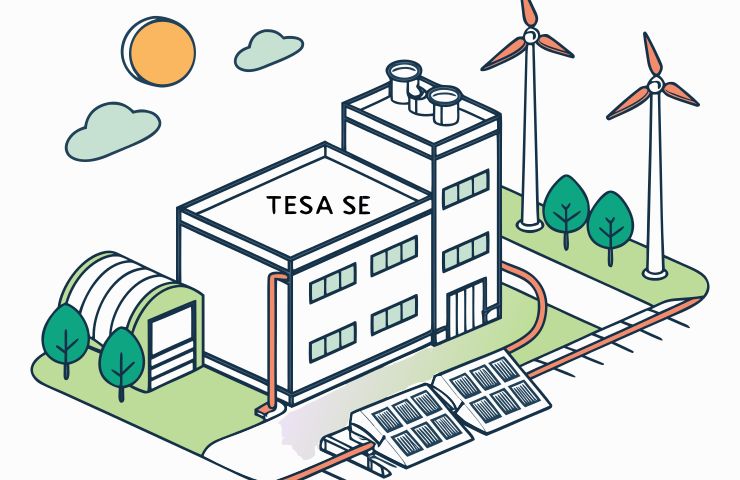
April 1, 2026At first glance, a plain roll of tape hardly seems like the poster child for clean energy. But over at Tesa SE’s Hamburg plant, that’s exactly the path they’re on. By 2027, they plan to plug into HH-WIN, the city’s sprawling hydrogen industrial network. Tapping into a steady stream of green hydrogen will help them shave carbon emissions and move toward real industrial decarbonization—one roll of tape at a time.
This shift follows Hamburg’s launch of HH-WIN, a dedicated pipeline carrying renewable-hydrogen made via electrolysis. Once connected, Tesa’s flagship factory—which supplies tapes to automotive and electronics manufacturers—will use that hydrogen for process heat, power generation, and even as a feedstock. They haven’t spilled the exact volumes or cost savings yet, but they’re clear this fits with a bigger push toward sustainable energy and leaner operations.
How HH-WIN Works
At its core, the HH-WIN (Hamburger Wasserstoff-Industrienetz) is a network of steel pipes weaving beneath the city, ready to deliver green hydrogen on demand. The H₂ originates from electrolysis plants powered by wind and solar farms. Electrolyzers split water into hydrogen and oxygen, the hydrogen is purified, pressurized up to 40 bar, then sent through underground pipelines straight to factories. No more hauling in gas cylinders or burning fossil fuels for high-temp processes—just dial in the hydrogen as needed.
Depending on location and power availability, the system uses either alkaline or PEM electrolyzers, but the common thread is renewable electricity driving every step. Once Tesa taps in, they can swap out natural gas burners and grid electricity for hydrogen heat, fuel cells, or chemical reactions. It’s a real-world case of sustainable energy integration, cutting direct CO₂ emissions in a heavy-industrial setting.
Strategic Implications
For Tesa SE, this isn’t just green PR—it’s smart positioning in a tougher regulatory landscape. The EU Green Deal is ratcheting down on industrial emissions, and Germany’s National Hydrogen Strategy rewards early movers. By locking into a robust hydrogen infrastructure, Tesa can tame energy-cost volatility—think goodbye gas-price rollercoaster—and potentially score grants or tax breaks.
Plus, customers in the automotive and electronics fields are demanding ever-greener supply chains. Offering tapes made with green hydrogen gives Tesa a genuine differentiator when bids roll in. It also signals to investors that they’re more than just an adhesive maker—they’re innovators in high-growth areas like e-mobility and advanced electronics.
About Tesa and Beiersdorf
Spun off from Beiersdorf AG in 2001, Tesa SE has grown into a global heavyweight with over 5,400 employees and operations in more than 100 countries. The Hamburg plant is the heart of their automotive and electronics output, while their Offenburg site serves consumer markets. With a portfolio of over 7,000 adhesive tapes and self-adhesive solutions, Tesa products keep EV batteries intact, smartphones sealed, and medical devices secure.
In recent years, sustainability has shifted from buzzword to boardroom priority at Tesa. They’ve ramped up renewable-energy investments, fine-tuned energy-efficient processes, and hunted down greener feedstocks. Tapping into HH-WIN is the latest chapter in their decarbonization playbook.
Hamburg as a Hydrogen Hub
Hamburg’s industrial legacy—Germany’s second-largest city and a leading port—has quietly turned into an edge for the energy transition. The cranes and container yards now share the spotlight with hydrogen infrastructure projects, from pilot electrolyzers to underground pipelines. Local leaders see this as a way to keep heavy industry from packing up and heading elsewhere, especially in a region where 1.8 million people and steep real-estate prices leave little room for economic upheaval.
The city has poured funds into logistics, regulatory tweaks, and test projects. That groundwork makes it easier for networks like HH-WIN to scale, anchoring companies that might otherwise chase cheaper energy abroad.
Policy Drivers
This hydrogen momentum isn’t happening in a vacuum. The EU Green Deal demands steep cuts in industrial CO₂ or businesses risk penalties and lost market access. In Berlin, the National Hydrogen Strategy is all about cranking up electrolyzer capacity, boosting R&D, and laying pipeline groundwork. Initiatives like H2Global have emerged to underwrite early-stage projects, smoothing the path for networks like HH-WIN.
That policy backdrop gives companies a roadmap on regulations, price signals, and funding opportunities. It’s essentially a green light for anyone ready to swap out fossil fuels for clean molecules.
Even something as seemingly niche as adhesive tapes plays a pivotal role. In EV battery assembly, adhesives secure cells, seal out moisture, and ensure safety under stress. By weaving green hydrogen into their process, Tesa can hand over a truly low-carbon product—exactly what automakers hunting every kilogram of CO₂ savings need.
Of course, challenges remain. Germany’s electrolyzer capacity is still ramping up, and any supply bottlenecks could drive hydrogen prices sky-high. Threading steel pipelines under a dense urban grid isn’t trivial either—it took careful planning to avoid traffic chaos and utility clashes. Tesa will need solid offtake agreements and flex terms to guarantee they’re drawing pure green hydrogen, not a grey blend.
Industry Ripple Effect
Tesa isn’t flying solo in hooking up to HH-WIN. Steelmakers, chemical producers, even a few food processors are lining up for connections. The more players that join, the steadier the hydrogen flow—and the cheaper each kilo of H₂ becomes. That’s when you hit a tipping point: zero-emission technology shifts from niche to standard operating procedure in heavy industry.
And it’s not just about emissions. Betting on industrial decarbonization also locks in skilled jobs. Workers with specialized know-how are likelier to stick around if their facility has a future-proof energy plan. Lose that, and you risk downsizing or offshoring—the last thing Hamburg needs.
Looking Ahead
The big question now is how quickly HH-WIN can grow—and whether Tesa will replicate this model at plants beyond Hamburg. Watch for new pipeline spur lines, European partnerships, or even mobile electrolyzer units to fill seasonal gaps.
The technology is proven; the real test is commercial: contract structures, pricing frameworks, and build-out schedules. If those align, Tesa could become the poster child for sustainable energy in manufacturing—one tape roll at a time.
At the end of the day, this is more than just an adhesives factory going green. It’s about rewriting the industrial energy playbook. Networks like HH-WIN show a future where pipelines carry green hydrogen instead of natural gas, fueling furnaces and factories with zero carbon. For companies bold enough to take the leap, that future promises lower emissions, stable costs, and a prime spot in tomorrow’s clean-energy economy. Keep an eye on Hamburg—it might just be the world’s most unlikely, yet influential, energy hub.

 With over 15 years of reporting hydrogen news, we are your premier source for the latest updates and insights in hydrogen and renewable energy.