Thyssengas hydrogen pipeline: Connecting Emsbüren to Dorsten for Germany’s H2 transition
Thyssengas plans a 100 km hydrogen pipeline between Emsbüren and Dorsten, part of Germany’s approved national core network, linking import hubs to Ruhr industries for deep decarbonization.
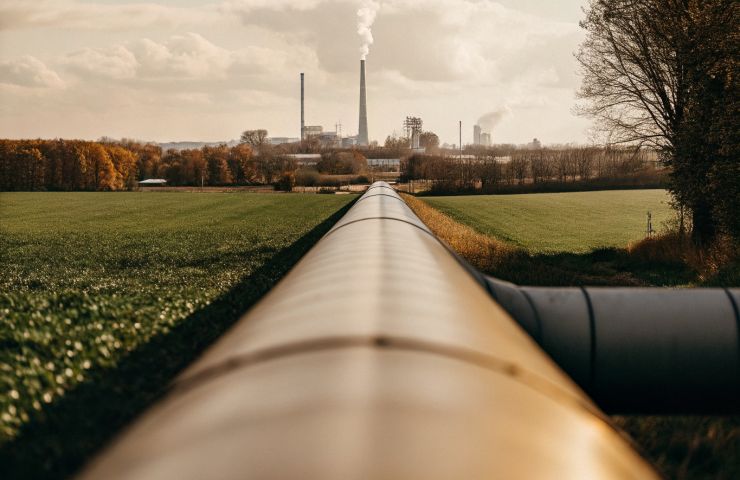
I'm always on the lookout for projects that promise to change the energy game, and the latest effort by Thyssengas is no exception. The veteran German operator, which first made a big splash in 1921 as the country’s inaugural long-distance gas transporter, is now serious about leading the energy transition. Their plan? A roughly 100 km hydrogen pipeline running from the agricultural plains of Emsbüren to the industrial hub of Dorsten. This Nord-Süd corridor kicks the challenge to the curb by offering a real-world solution to channel green hydrogen imports directly into steel and chemical plants in the Ruhr region.
Background
Thyssengas GmbH has diligently operated an extensive natural gas network for decades, spanning over 4,400 km and delivering about 6 billion cubic meters annually. After its acquisition by Macquarie Asset Management in 2021, the focus shifted to converting existing infrastructure and developing new pipelines for pure hydrogen. Positioned under the national hydrogen strategy, which aims to establish core routes by 2030, Thyssengas has mapped out more than 1,100 km of H₂ corridors. The upcoming Emsbüren-Dorsten link is among the first of these to move from concept to preparatory approvals, reflecting the company’s secret sauce of blending long-standing pipeline know-how with new energy demands.
Project Overview
The 100 km route threads through Lower Saxony’s flat farmlands around Emsbüren—home to about 10,000 residents—before crossing into North Rhine-Westphalia’s Ruhrgebiet near Dorsten, where roughly 45,000 people live. Along this path, the pipeline skirts fields and villages but ultimately ties into a dense network of industrial off-take points, notably steelmaker thyssenkrupp and various chemical sites. Designed as a new-build section rather than a retrofit, it forms a vital segment of Germany’s approved national core grid, reinforcing connections from North Sea ports like Wilhelmshaven and cross-border entry points at the Dutch frontier.
Technical Details
At the core is a DN 1200 steel pipeline, roughly 1.2 meters in diameter, built to handle pure gaseous hydrogen at pressures around 80 bar. The secret sauce here is using corrosion-resistant steel, possibly lined with fiber-reinforced polymer in critical sections, to fend off embrittlement over the long haul. A series of compressor stations and sensors will ensure continuous flow and safety. During construction, a 40 m-wide corridor is cleared, but post-installation the land is meticulously rekultiviert up to 60 cm deep, returning fields to farmers with minimal lasting disturbance.
Strategic Significance
This isn’t just another pipeline—it’s built for the future. As Europe races to decarbonize, Germany’s industrial heartland needs reliable hydrogen supply. By linking northern import hubs and Dutch border points with heavy emitters in the Ruhr, the Emsbüren-Dorsten line enhances security of supply, diversifies away from traditional gas sources, and underpins EU climate goals. Planners estimate that tapping into imports at Wilhelmshaven and Groningen will feed green H₂ to steel, chemicals, and small-to-medium enterprises across Münsterland and the Ruhr. Connecting producers and consumers this way could anchor Germany as Europe’s hydrogen hub.
Environmental and Economic Impact
Switching hard-to-abate sectors from natural gas or gray hydrogen to green or blue hydrogen is a real-world solution for CO₂ cuts. The net effect on emissions in heavy industry could be substantial, although precise volumes depend on off-taker commitments. Economically, the pipeline spur is part of a broader €19 billion hydrogen grid investment that promises thousands of construction and maintenance jobs. Local suppliers of pipes, compressors, and engineering services will see a boost. Temporary soil disruption is managed with strict environmental safeguards, and any potential leaks are addressed through 365-day monitoring.
Regulatory and Community Engagement
Securing a smooth path forward has involved navigating space compatibility, or Raumverträglichkeitsprüfung, which was approved earlier this year. Planfeststellungsverfahren is now in preparation, and Thyssengas is hosting public info evenings—called Dialogmärkte—in spring to gather feedback from more than ten municipalities along the corridor. Communication materials stress that hydrogen pipelines are as safe as their natural gas counterparts, thanks to robust sensor networks, emergency shut-off valves, and proven operational protocols.
Challenges and Outlook
The real kicker is balancing infrastructure build-out with actual market demand. Audits warn of potential overbuild if off-take contracts lag behind, and financing hinges on sustained policy support. Yet, by integrating into the 9,040 km national core network under the Energy Industry Act and aligning with the 2025 network development plan, the project secures priority status. Thyssengas’ collaboration with Open Grid Europe adds clout, pooling expertise to drive construction and future operations. If all goes to plan, initial operations could start toward 2030, setting a precedent for other H₂ corridors.
Conclusion
Bottom line, the Emsbüren-Dorsten hydrogen pipeline stands out as a strategic, built-for-the-future project that could reshape Germany’s industrial energy landscape. By connecting import points to energy-intensive hubs, it lays down a backbone for decarbonization, economic growth, and security of supply. While challenges around demand and costs remain, Thyssengas’ century-long pedigree and fresh focus on hydrogen make this pipeline a pivotal piece in Europe’s sustainable energy puzzle.