
UK Backs Green Hydrogen Production with £86.5m Boost to ITM Power’s Gigafactory
June 22, 2026Here’s some exciting news in the world of hydrogen energy! The UK government just announced a whopping £86.5 million funding package to turbocharge ITM Power’s plans for a state-of-the-art electrolyser gigafactory in Sheffield. This move is a significant step toward making green hydrogen production a practical solution for tackling those hard-to-abate sectors like steel manufacturing and heavy transportation.
This month, Great British Energy jumped in with £40 million in direct equity, while the Department for Energy Security and Net Zero (DESNZ) confirmed a capital grant of £46.5 million that will be rolled out over the next two years. Together, they’re taking on one of the biggest hurdles in clean hydrogen economics: those pesky high initial costs and the necessity for scaling up production.
Mix of Equity and Grant Kicks Costs to the Curb
By fusing market-driven equity with targeted public grants, the UK is setting a brand-new benchmark in project financing. That £40 million injection from the state-backed investor is designed to attract private capital, while the DESNZ grant will flow over the next fiscal cycle, specifically aimed at bolstering infrastructure and automation investments. This combination is all about lowering the per-unit costs of the next-gen PEM electrolysers, making them more accessible for industrial users. Plus, it sends a clear signal that the UK is serious about spearheading the energy transition and building up its supply chain resilience.
Why PEM Electrolysers Are the Secret Sauce
At the heart of high-purity hydrogen production are proton exchange membrane electrolysers. These bad boys use a special polymer membrane soaked in water, flanked by catalyst-coated electrodes, to split water into hydrogen and oxygen rapidly, adapting to fluctuations in wind and solar energy. Traditionally, putting these stacks together was a delicate dance of manual assembly with fragile membranes, catalyst layers, and bipolar plates. The new automated 1 GW production line in Sheffield aims to eliminate that bottleneck, standardizing every step with robotic accuracy, advanced coating techniques, and real-time digital monitoring. This shift from artisanal production to gigafactory scale is about slashing costs, improving quality consistency, and speeding up deliveries to industrial projects—essentially making those manufacturing headaches disappear.
Built for the Future: Automated 1GW Electrolyser Line
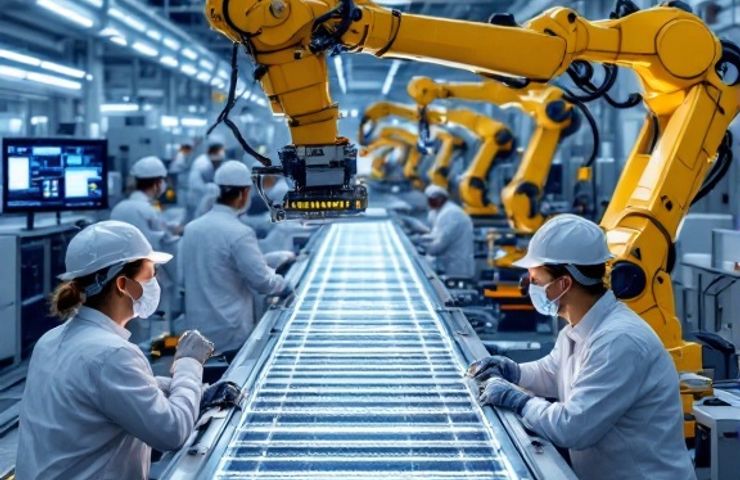
And here’s the kicker: the funds are earmarked for an automated production line that aims to churn out around 1 gigawatt of electrolyser manufacturing capacity every year. Centered around ITM Power’s “Chronos” stack platform, this facility will employ robotics for the precise assembly of all components—bipolar plates, polymer membranes, and catalysts. With digital monitoring systems keeping tabs on every part, rapid quality checks and ongoing improvements are always in play. This large-scale automation mirrors what we’ve seen in battery gigafactories, positioning ITM Power to tackle those cost challenges head-on, minimize errors, and ramp up production to meet the surging demand for green hydrogen.
Real-World Impact in Sheffield’s Industrial Heart
Sheffield’s strong roots in steelmaking, along with its skilled workforce, make it the perfect spot for this hydrogen gigafactory. The new production line builds off existing facilities and strong connections with local universities, tapping into research on advanced materials and industrial processes. Local leaders expect this project will bring in high-value engineering jobs, push local suppliers to adapt to the hydrogen market, and enhance the area’s reputation in advanced manufacturing. It’s a classic example of how targeted clean hydrogen investment can rejuvenate a region economically.
The Real Kicker: Market Response
While policy support is rolling out, the financial markets have been a bit of a roller coaster. Reports indicate that ITM Power’s share price shot up by over 100% year-to-date before dipping about 12% in just a week and roughly 21% over the last month after its inclusion in a major UK small cap index. It seems that hedge funds and short-term traders have been behind the ups and downs—scooping up shares ahead of index rebalancing and then cashing out once passive funds completed their purchases. This episode really highlights how these index mechanics can momentarily detach share prices from fundamental values, like ITM’s substantial £152 million order backlog and its revenue projections of £40–43 million for the coming year.
Global Context and Strategic Fit
We’re witnessing a global race in the clean hydrogen scene. The EU’s hydrogen strategy is pushing for tens of gigawatts of electrolyser capacity by the end of the decade, while other regions are rolling out tax incentives and grants to boost local manufacturing. In this competitive landscape, the UK’s strategy of mixing equity injections with capital grants indicates a shift toward focused industrial policy over technology-neutral support. By anchoring electrolyser production domestically, the UK is reducing reliance on imports, enhancing energy security, and sending a clear message to private investors that it’s open for business in the clean tech arena. Success in Sheffield could ripple through the chemicals, materials, and energy sectors, showcasing the strategic importance of localizing clean energy manufacturing.
Serious About Leading the Energy Transition
At its core, this investment isn’t just about kicking off a single factory. It’s an intention statement: the UK is aiming to cultivate a homegrown hydrogen equipment industry rather than merely hosting projects that rely on overseas imports. By massively producing proton exchange membrane electrolysers on a gigawatt scale, we could drive costs down enough to make green hydrogen a viable alternative to fossil fuels. This is crucial for decarbonizing sectors where electric solutions don’t cut it. By building up domestic capabilities, the project also enhances energy security and positions the UK to export both technology and expertise worldwide.
Bottom line: with this new funding and an ambitious manufacturing plan, the ITM Power gigafactory in Sheffield is not just a project for the present; it’s paving the way for the future. It promises to anchor green hydrogen production in the UK, spur regional growth, and reduce costs for hydrogen equipment on a global scale. If everything goes as planned, we could see similar facilities popping up across Europe, the US, and beyond—fueling the next wave of clean energy initiatives and helping us reach those crucial global net-zero targets.

 With over 15 years of reporting hydrogen news, we are your premier source for the latest updates and insights in hydrogen and renewable energy.