US DOE Advances Funding for Hydrogen Production Hubs Amid Legal Hurdles
DOE greenlights Phase 1 funding for five Regional Clean Hydrogen Hubs under the Bipartisan Infrastructure Law, despite two sites stuck in legal limbo.
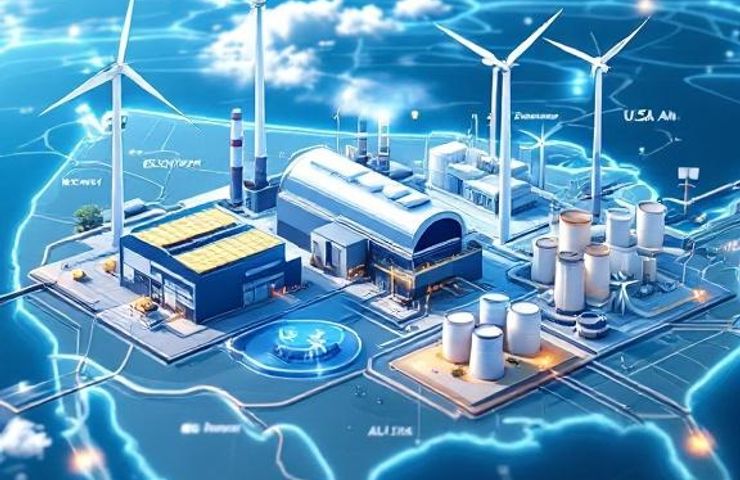
So the US Department of Energy just decided to pump federal money into five of the seven Regional Clean Hydrogen Hubs, legal battles be damned. By green-lighting Phase 1 awards, they’re basically saying they won’t let court filings or political shake-ups stall a key pillar of the Bipartisan Infrastructure Law. But, as you might expect, it’s not all smooth sailing.
Core Takeaway
Here’s the gist: the DOE is moving forward with federal funding for five hubs in its $8 billion clean hydrogen program, despite two West Coast sites still tied up in litigation. These Phase 1 grants are all about kickstarting planning, engineering studies and community engagement across Appalachia, the Midwest, the Gulf Coast, the Heartland and the Mid-Atlantic. According to agency docs, each hub could eventually receive up to $1.2 billion over ten years, though right now it’s strictly money for groundwork.
Why It Matters
We’re at a crossroads in our clean energy journey. If we’re serious about hitting net-zero emissions by mid-century, we need scalable, low-carbon solutions for sectors that don’t easily plug in—think steel, cement, heavy transport and power generation. This initiative stitches together producers, users and pipeline networks to derisk private bets on everything from electrolysis to blue hydrogen with carbon capture, or even nuclear-driven pathways. In short, it’s a huge leap toward industrial decarbonization.
A Brief History
Remember the 2021 Bipartisan Infrastructure Law? That’s where the $8 billion for six to ten hydrogen hubs originated. The DOE ran a two-phase selection in 2022–23: first concept papers, then full proposals. By autumn 2023, seven finalists were standing tall. Phase 1 funding began rolling out through 2024–25, mostly to cover environmental reviews, stakeholder outreach and early planning.
Technical Angle
The five hubs moving forward each bring a unique technology mix:
- Wind- or solar-powered electrolyzers that split water into green hydrogen and oxygen.
- Natural-gas reformers married to carbon capture tech for so-called “blue” hydrogen production.
- Nuclear energy setups delivering steady heat and power to run electrolysis 24/7.
At this stage, it’s all about feasibility—nailing down engineering designs, drafting environmental impact statements and rallying community support. Pumps and pipelines can wait until you prove you can weave hydrogen into a region’s energy mix without blowing the budget.
Strategic Implications
Abandoning the two West Coast hubs would have chipped away at the vision of a seamless national network. Instead, the DOE is letting five hubs steam ahead, even as California and the Pacific Northwest projects tussle with environmental lawsuits and state permit fights. The precise filings aren’t public, but insiders say it boils down to procedural nitpicking over reviews and zoning.
This isn’t just about climate street cred—it’s a geopolitical play. A robust hydrogen infrastructure could give US firms an edge while Europe, China and Australia race to corner clean export markets. Plus, with natural gas use and electricity demand set to climb, hydrogen pipelines might double as grid-balancing assets.
Collateral Impacts
We’re talking thousands of jobs in engineering, construction and manufacturing springing up in areas that once leaned on coal or heavy industry. But it’s not all rosy—life-cycle studies are still wrestling with methane leaks along gas pathways, and local communities are raising valid concerns about water use for electrolyzer cooling, land‐use impacts and whether carbon capture will truly lock away CO₂ long-term.
Industry Reacts
Major energy players and engineering firms have already staked their claims, lining up offtake deals with steel mills, chemical plants and transport fleets. If this network actually pumps hydrogen coast-to-coast, it could anchor manufacturing hubs and export terminals. But if the West Coast stalls, it could throw off economies of scale and slow downstream investment.
Maverick Take
I can’t help but wonder: are we hopping on a hydrogen treadmill—endless studies, permits and lawsuits—while electrification charges ahead? Sometimes it feels like we’re just rebranding old fossil-era playbooks, especially when blue hydrogen wins favors from big lobbying groups. If you’re betting on hydrogen to save the planet, you’d better have more than slick proposals and glossy memos.
Looking Ahead
The DOE has carved out a 12–36-month window for Phase 1. That’s when hub operators will flesh out designs, lock down permits and secure their first customers. After that, the agency will review progress before unleashing big capital for steel-in-the-ground projects. Brace for more friction: environmental groups will keep suing, and state regulators may demand even deeper dives.
Will we actually see low-carbon hydrogen flowing next decade? It hinges on whether Phase 1 grants turn into shovel-ready sites instead of another set of glossy decks gathering dust in court. For now, DOE has made its move: five hubs get to keep fighting. Let’s see if they can deliver on the promise—or become another planning exercise stuck in legal limbo.