Viking Libra Floats Out with Hydrogen Fuel Cells for Zero-Emission Cruising
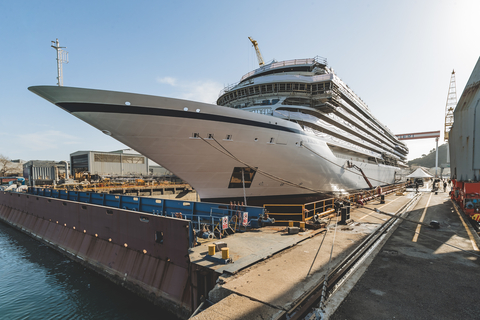
March 25, 2026Is it possible to soak up culture in style without leaving a trace of fossil fuel behind? This month, Viking brought that dream a step closer when its brand-new ship, Viking Libra, floated out of Fincantieri’s Ancona shipyard. Touted as the first cruise vessel ever to run on onboard liquefied hydrogen and PEM fuel cells, this 54,300-gross-ton beauty can host up to 998 guests in its 499 all-balcony staterooms—gliding through the waves at speeds up to 20 knots with zero local emissions and showcasing next-level zero-emission technology. Onboard design blends luxury finishes with cutting-edge eco-innovation, so guests won’t feel like they’re sacrificing comfort for sustainability.
From River Routes to Hydrogen Aspirations
Since Torstein Hagen launched Viking in 1997, the line’s been all about small ships brimming with culture, wellness, and operational smarts. Fast forward to 2024, and after ringing the bell on the NYSE, they teamed up with Fincantieri and its marine-engineering wing, Isotta Fraschini Motori (IFM), to chart a course toward maritime decarbonization. In early 2025, they laid out plans for three hydrogen-enabled ships, leaning on green hydrogen and innovative hydrogen storage designs. By banking on these advancements in fuel supply and containment, they’re proving that premium cruising and sustainable energy can go hand in hand. They didn’t just slap on a couple of tanks; they dove deep into the nitty-gritty of sourcing and distributing green hydrogen to ensure their vision actually floats.
The Science Behind Hydrogen Storage and Fuel Cells
Deep down in Viking Libra’s hull are two cryogenic tanks keeping hydrogen at a frosty –253 °C, feeding a 6 MW array of PEM fuel cells. These hydrogen fuel cells recombine the liquid gas with oxygen to whip up electricity—water vapor’s the only byproduct. That power trains twin electric motors and runs every onboard perk, from mood lighting in the lounges to climate control in the corridors. Engineers ran countless simulations and stress tests to nail down every connection, making this one of the slickest examples of zero-emission technology at sea. This approach to hydrogen storage solves one of the trickiest puzzles for clean energy on ships.
Regulatory Push and Environmental Benefits
Cruise vessels make up roughly 1% of global shipping CO₂ emissions, and regulators are tightening the ropes in fjords, along heritage coastlines, and in polar waters. With Viking Libra running on hydrogen, there’s no sulfur oxides, nitrogen oxides, or particulate matter belching out—and the usual diesel racket is replaced by a near-silent electric hum. For travelers and waterfront towns alike, that cleaner air and quieter docks are a real breath of fresh (literally) zero-emission technology at work—skipping the need for bulky after-treatment scrubbers. Beyond regulations, the shift promises quieter nights on deck and a more serene voyage experience—no belt-drive clatter or rumbling engines to worry about.
Partnering Up for Sustainable Shipping
Down in Ancona, Fincantieri retooled its slipways to fit the cryogenic tanks and fuel cell modules right into a cruise-ship design, while IFM brought its maritime fuel cell know-how to make sure everything hummed in harmony. Over on the docks, Viking teamed up with port authorities to stand up the cryogenic bunkering infrastructure and dial in emergency drills—paving the way for hydrogen storage models that other operators can copy. Plus, rolling out these kinds of green hydrogen bunkering stations could spark a new era of fuel supply chains in port cities around the world.
Economic and Infrastructural Hurdles
Let’s be real: fitting cryogenic tanks, fuel cells, and all the safety doodads carries a bigger price tag than a run-of-the-mill diesel or LNG setup. Viking is betting that, over the ship’s lifespan, savings on fuel—particularly from green hydrogen—and sweet regulatory incentives will offset those initial outlays. That said, ports need to build dedicated bunkering terminals, and crews have to get up to speed on hydrogen handling. Training the crew isn’t just a checkbox—Viking’s drilling emergency scenarios and regular drills to make handling pressurized hydrogen second nature at sea.
Charting the Course for the Next Decade
With final outfitting and sea trials in full swing, Viking Libra is slated to set sail in fall 2026, with sister ship Viking Astrea following in 2027. By 2031, Viking plans to have 21 ocean-going vessels in its fleet—two more hydrogen-ready ships already on deck—and options stretching into 2033. If everything runs as smoothly as the engineers hope, this new class could redefine clean cruising and supercharge the shift toward zero-emission technology across the maritime world. If these ships hit the mark, we could see a domino effect across cruise fleets, setting sail on a course toward cleaner oceans and skies.
About Viking
Founded in 1997 by Torstein Hagen, Viking has carved out a niche with adult-only river and ocean voyages that deliver authentic cultural experiences. Their NYSE debut in 2024 supercharged efforts around energy-efficient designs and zero-emission technology. Today, by embracing sustainable energy solutions like green hydrogen and selling voyages built on luxury and eco-innovation, they’re charting a course for travel that’s as gentle on the planet as it is enriching for guests. From Danube river valleys to Caribbean reefs, Viking’s push for clean cruising shows that you really can have your cake and eat it too.


 With over 15 years of reporting hydrogen news, we are your premier source for the latest updates and insights in hydrogen and renewable energy.