Yangju Hydrogen City: Gyeonggi Province Leads the Charge in Green Hydrogen
Gyeonggi Province is attracting investment for the MOLIT-selected Yangju Hydrogen City Development Project, marking a milestone in South Korea’s green hydrogen drive.
If you thought South Korea’s clean energy frontier stopped at Seoul, think again. Stretching out along the fertile Han River plains and home to over 13.5 million people, Gyeonggi Province is gearing up for a major hydrogen moment. This month, local leaders kicked off talks to woo private investors for the Yangju Hydrogen City Development Project, a government-backed effort set to transform how we produce, store and use green hydrogen.
Setting the Scene in Gyeonggi Province
Reborn under Korea’s 13-province system in 1896, Gyeonggi Province went from rice paddies feeding the Joseon capital to a booming industrial belt framed by Bukhansan’s peaks and the Yellow Sea. The 1960s highways that tied it to Seoul and maritime ports sent the population rocketing from about 2.7 million in 1960 to more than 13 million today. Through independence struggles and wartime upheaval, the region forged a resilient spirit—and now it’s channeling that grit into a full-on push to become a clean-energy, hydrogen infrastructure hotspot.
A Leap Forward in Hydrogen Infrastructure
The Yangju Hydrogen City plan isn’t your run-of-the-mill hydrogen infrastructure project; it’s an end-to-end urban ecosystem. Chosen as a public offering by the Ministry of Land, Infrastructure and Transport, it calls on investors to piece together everything from renewable-powered electrolysis units to high-pressure storage tanks and fuel-cell refueling stations. Picture electrolyzers humming beside solar parks, networks of dispensers serving city buses, freight trucks and even neighborhood microgrids. By producing hydrogen via wind- and solar-driven electrolysis, Yangju aims to slash CO₂ emissions and boost energy security along the DMZ border.
Teaming Up and Turning Heads
MOLIT’s framework spells out clear design standards, green guidelines and phased funding milestones. Investors can bid on specific modules—production, storage or distribution—under transparent rules. While partnerships are still taking shape, Gyeonggi’s track record (think Samsung HQ and a slew of industrial zones) has already caught the eye of major conglomerates and overseas funds. Rumor has it that engineering firms, finance groups and green-tech startups are all scrambling for a spot, eyeing hundreds of new jobs in manufacturing, construction and operations.
Boosting South Korea’s Hydrogen Ecosystem
This Yangju initiative plugs right into the 2019 Hydrogen Economy Roadmap, aiming for 5 GW of electrolyzer capacity by 2030. Along the coast and in other metro hubs, similar MOLIT-approved hydrogen projects are popping up, weaving a regional network of clean-energy nodes. Together, they promise fresher air in urban corridors and open export doors for South Korean equipment makers in Europe and North America. With standardized components, strict certification and shared R&D, domestic firms are gearing up to scale—and stake their claim as global hydrogen-tech leaders.
Looking Ahead: A Glimpse into the Future
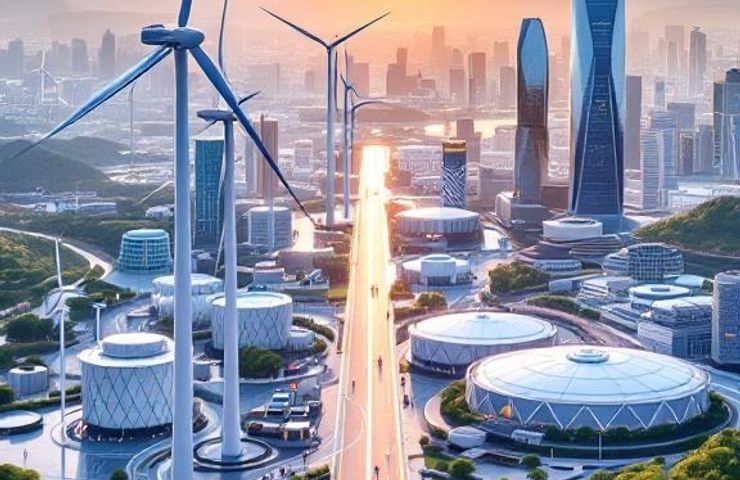
As blueprints solidify and the tender process kicks off, excitement in Gyeonggi Province is sky-high. Imagine electrolysis units buzzing next to wind turbines, fuel-cell buses gliding through Yangju’s streets, and homes humming along on night-time hydrogen power. If Yangju nails it, neighboring cities like Suwon and Paju could follow suit, creating a corridor of hydrogen innovation. By 2030, these clustered efforts might crank out tens of thousands of tonnes of green hydrogen annually—fueling industry, transport and exports. In South Korea, this project isn’t just a pilot; it’s the spark lighting the path to carbon neutrality by 2050.