Battery-electric patents dominate heavy-duty transport decarbonization; hydrogen fuel cell innovation doubles
WIPO–IRENA patent report finds batteries hold 73% of decarbonization patents in heavy-duty transport, while hydrogen filings doubled since 2019.
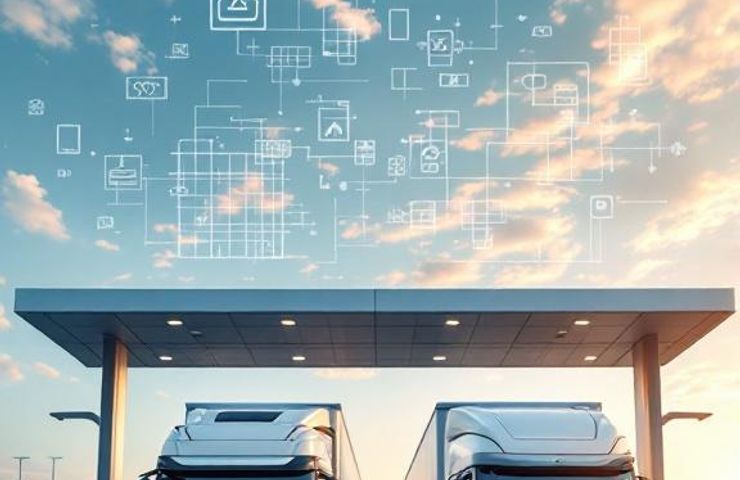
Just recently, the International Transport Forum Summit in Leipzig saw the unveiling of a groundbreaking joint report by WIPO and IRENA focusing on how to decarbonize heavy-duty road transport. This report digs into global patent trends surrounding technologies aimed at slashing emissions from trucks and buses, giving us a peek into where companies are putting their R&D money and resources as they gear up for commercial launches.
The biggest takeaway? While batteries are still calling the shots, the pace of innovation in hydrogen fuel cells is picking up steam, almost doubling in patent filings since 2019. This shift shows that people are really starting to trust hydrogen as a viable option, especially for long-haul operations where charging time and battery weight can be a real headache.
Key Takeaways
- The segment of heavy-duty transport patents focused on decarbonization jumped from about 7% in 2000 to around 20% in 2024.
- Battery-electric technologies make up about 73% of low-emission energy patents, cementing their critical role in today’s R&D landscape.
- Patents related to energy infrastructure—think charging networks and smart grid solutions—have skyrocketed by over 2,200% since 2000.
- Patents surrounding hydrogen fuel cells and hydrogen infrastructure have also doubled from 2019 to 2024, covering everything from stack durability to rapid-fill cooling systems.
- Patent families group related filings across different jurisdictions, which helps to spotlight the main innovation hotspots without counting the same thing twice.
- These patents are often a sneak peek into where companies are heading with their R&D investment, often years before we see these technologies hit the market.
By the Numbers: Patent Growth Over Time
Since the start of the new millennium, patent filings for decarbonization technologies aimed at trucks and buses have seen a sharp rise. As fleets prepare for massive battery charging rollouts, patents related to infrastructure have surged, while fuel cell and hydrogen station innovations are now enjoying renewed growth after a bit of a slow patch in the early 2010s. The arrival of new players in the hydrogen supply chain indicates a growing interest that goes beyond the traditional fuel cell leaders.
Deep Dive: Technology Clusters
- Battery-electric heavy-duty vehicles: Innovation is all about big lithium-ion packs, modular cell designs, regenerative braking, and mega charging capabilities. Patents delve into advanced cathode materials, effective thermal management, and integrated inverter modules to enhance range and reliability.
- Hydrogen fuel cells for heavy-duty vehicles: The focus here is on proton exchange membrane stacks, power electronics, and hybrids combining batteries with fuel cells. Key innovations aim to extend the lifespan of the membranes, improve water and thermal management, and pack in high-pressure storage tanks for better range.
- Charging infrastructure and smart grids: High-capacity DC chargers and energy storage solutions are the name of the game, along with software for smart load management and vehicle-to-grid interfaces. Depot solutions that can handle multiple charging events at once showcase the scale of future electric fleets.
- Hydrogen refueling and infrastructure: Innovations include onsite electrolyzers, compression systems, pre-cooling setups, and dispensers designed for multiple vehicles. Patent filings suggest there's a push towards integrating green hydrogen production with station automation and safety protocols specifically for heavy vehicles.
From Prototypes to Patents: A Brief History
The interest in zero-emission heavy-duty transport kicked off in the late 20th century, with early examples like experimental fuel cell buses and prototype trucks. A report from WIPO back in 2015 highlighted a concentration of patents in regions like Japan, the US, China, South Korea, and Europe. As we moved into the 2010s, the rapid rollout of passenger EVs started to influence the bus and regional truck sectors. Fast forward to the early 2020s, and we see OEMs taking different paths: some, like Traton, are mainly betting on batteries, while others like Daimler Truck and Volvo are leaning toward fuel cells for longer hauls. Nowadays, the patent landscape reflects both strategies evolving side by side.
Geographic Hotspots
When it comes to innovation, areas with strong climate policies and industrial prowess are leading the charge. Patent filings for both battery and hydrogen technologies are primarily coming from Japan, the United States, China, South Korea, and Germany. These regions combine government backing, hydrogen production projects, and upgrades to the grid, creating a fertile environment for new ideas and solutions.
Implications for Fleet Operators and OEMs
- Companies that get solid fuel cell patent portfolios early on could find themselves shaping the market if hydrogen corridors for long-haul freight become a reality.
- Battery-focused suppliers will likely keep leading the charge on urban and regional routes, thanks to the rapid expansion of charging networks.
- Experts in system integration, whether it’s stacks, compressors, chillers, or chargers, can use patent insights to inform partnerships and plan for future capacity.
Strategic Considerations for Policymakers
- It’s crucial to strike a balance between investing in super-fast charging infrastructure and establishing hydrogen refueling zones to ensure all options can compete effectively.
- Technology-neutral emissions standards should drive results without prematurely picking favorites among solutions.
- Aligning grants, procurement policies, and corridor planning with current patent activity could make a real difference in speeding up actual deployment.
Looking Ahead
The next few years will tell us if this surge in patent activity leads to large-scale operations. Battery-electric trucks are gradually rolling out, especially in urban areas, supported by improvements to the grid and smart depot solutions. At the same time, the boom in hydrogen patent activity shows there's renewed faith in fuel cell technologies for tougher applications. We might soon see distinct market niches emerge: electric fleets taking on dense network routes and hydrogen powering long runs where quick refueling and high energy density are vital. No matter which way the wind blows, it’s clear the future of low-emission heavy-duty transport is taking shape in research labs and patent offices across the globe.
For those backing hydrogen, the big question is whether innovations in infrastructure and production costs can keep up with the rising number of patent filings. Meanwhile, the electric side of things is all about ramping up chargers and grid services to meet soaring demand. Whether one tech comes out on top or if we’ll see a hybrid approach, one thing’s for sure: the decarbonization of heavy-duty transport will be a dual-track journey powered by both batteries and hydrogen.