BMW Group starts construction of hydrogen pipeline to connect Leipzig plant
BMW Group began construction of a two-kilometre hydrogen pipeline connecting its Leipzig plant to Germany’s hydrogen core network, aiming to boost hydrogen use in paint-shop processes and logistics by 2028.
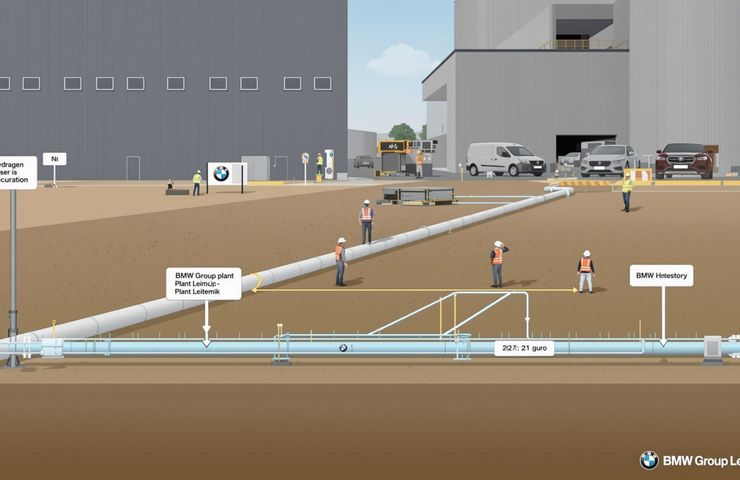
This September 2026, BMW Group began construction of an approximately two-kilometre hydrogen pipeline to connect its Leipzig vehicle plant directly to Germany’s emerging hydrogen transport network, according to BMW Group. The new infrastructure is intended to replace truck-delivered compressed hydrogen and support substantially greater use of hydrogen in high-temperature processes such as paint drying.
Project Overview
The pipeline will stretch roughly two kilometres and include a dedicated gas-pressure regulation and metering station, BMW Group says. Technical specifications such as pipeline diameter and maximum operating pressure remain under planning, and the route will require land-use permissions from local authorities, BMW Group indicates. The route will serve as a direct industrial branch from the regional backbone operated by ONTRAS Gastransport GmbH, which has reserved capacity for the Leipzig link, ONTRAS Gastransport reports. Civil works and installation of the pipeline materials, valves, monitoring systems and safety controls are being carried out by MITNETZ GAS GmbH, the company confirms.
Integration with the National Hydrogen Network
The Leipzig connection is part of the ONTRAS H2-Startnetz, a roughly 600-kilometre hydrogen transport network for central and eastern Germany, ONTRAS Gastransport states. The regional grid in turn forms a segment of Germany’s nationally approved hydrogen core network, authorised by the Bundesnetzagentur. That system is intended to link major industrial centres, storage facilities, power plants, ports and import corridors. The federal regulator approved 9,040 kilometres of hydrogen pipelines—with about 60 percent to be converted from existing natural-gas lines and the remainder newly constructed—and projected investment costs of €18.9 billion, the agency says.
Industrial Benefits and Plant Usage
BMW Group Plant Leipzig has operated hydrogen-fuelled intralogistics vehicles since 2013, including more than 230 forklifts and tug trains powered by fuel cells, BMW Group states. In 2022, the plant introduced eleven dual-fuel paint-shop furnaces capable of switching between natural gas and hydrogen. By replacing cylinder-delivered hydrogen with pipeline supply, the company indicates it can increase throughput, reduce logistical complexity and improve energy resilience for paint drying and other high-temperature applications.
Technical Aspects of the Connection
The project requires hydrogen-compatible pipeline materials, valves, seals and leak-monitoring systems because hydrogen molecules are smaller and more diffusive than natural gas, ONTRAS Gastransport notes. The local two-kilometre route will traverse the Leipzig plant perimeter and adjacent industrial land, subject to planning and environmental approvals, BMW Group indicates. Emergency shutdown valves and continuous gas detection sensors will be installed to meet safety regulations for hydrogen transport. The gas-pressure regulation and metering station, to be installed by MITNETZ GAS GmbH, will ensure that the delivered hydrogen matches the plant’s pressure requirements and that flows are accurately recorded for operational and billing purposes.
Historical Context
Hydrogen use at Leipzig dates back more than a decade. The plant installed Germany’s first indoor hydrogen refuelling station in 2013 and expanded its internal logistics fleet to fuel-cell vehicles that same year, BMW Group says. The paint shop began using dual-fuel furnaces in 2022, marking a pilot phase for hydrogen in energy-intensive manufacturing processes. Throughout this period, BMW has pursued hydrogen alongside battery-electric technologies rather than relying on hydrogen as its sole energy strategy, according to company history.
Financing and Regulatory Framework
The pipeline project is co-financed by the European Regional Development Fund and the Free State of Saxony, BMW Group reports, although the exact grant amounts have not been disclosed. It aligns with Germany’s National Hydrogen Strategy, introduced in 2020 to boost hydrogen production, transport and industrial use. Amendments to the Energy Industry Act established the regulatory regime for a hydrogen core network, and transmission-system operators submitted applications for the national grid in July 2024. The Bundesnetzagentur oversees permitting and compliance, granting final approval for the core network in October 2024. The Leipzig connection remains subject to local permitting and environmental clearances, the company adds.
Decarbonisation Potential and Uncertainties
By substituting hydrogen for natural gas in paint-shop furnaces, BMW Group suggests the plant could reduce direct carbon dioxide emissions from fuel combustion. However, the company has not disclosed the hydrogen’s production method, origin or lifecycle emissions, and no specific emissions-reduction figures are available. The climate benefit will depend on whether the supply is renewable or low-carbon hydrogen, the network’s utilisation rate and combustion efficiency, experts say.
Role in Germany’s Energy Transition
Anchoring large industrial off-takers like BMW Group Plant Leipzig is intended to strengthen the business case for hydrogen transmission infrastructure, observers note. Predictable demand may encourage producers, storage operators and import terminals to invest in supply capacity and local electrolysis projects. The pipeline is also expected to support regional job creation in engineering, construction and maintenance roles, as well as bolster Saxony’s supply chains for hydrogen components. On the other hand, analysts warn that if hydrogen remains expensive or supply uncertain, industrial sites might revert to natural gas despite dual-fuel capabilities.
Political and Regional Significance
The construction launch event featured Michael Kretschmer, Minister-President of Saxony, and Christian Hirte, Parliamentary State Secretary at Germany’s Federal Ministry for Transport, according to BMW Group. Saxony’s government described the project as a strategic priority for regional decarbonisation and industrial competitiveness. Co-investment by Saxony and European funds reflects multi-level policy coordination under the national and EU hydrogen agendas, and demonstrates how public funding is being leveraged to develop core energy infrastructure.
Challenges and Risks
While the Leipzig pipeline project has potential to decarbonise industrial heat, it also faces several challenges. Network tariffs for hydrogen transport have yet to be finalised, and early low utilisation rates could lead to higher-than-expected infrastructure charges for industrial users, industry analysts say. Coordination between transmission-system operators and local distribution companies may cause scheduling uncertainties, and permitting delays could push back the planned commissioning. Moreover, the project’s success hinges on reliable hydrogen supply, and the absence of firm contracts for renewable hydrogen leaves open the possibility that the plant will continue to rely on natural gas during initial operation.
Timeline and Outlook
BMW Group plans to complete and commission the Leipzig pipeline in the first half of 2028. Earlier planning materials had anticipated supply from mid-2027, but the latest schedule reflects updated coordination with transmission-system operators. Once operational, the plant would be the first known vehicle production facility worldwide to draw hydrogen directly from a dedicated pipeline, the company claims.
The project at Leipzig represents the next evolution of BMW’s hydrogen programme: from pilot logistics vehicles and indoor refuelling to pilot production equipment and now full integration with a regional energy network. Its outcomes will be closely watched by industrial and policy stakeholders as Germany seeks to scale up clean hydrogen use in energy-intensive sectors.