Dalhousie Lab Advances Hydrogen Infrastructure with International Appliance Testing Programme
Dalhousie’s HARL joins a global testing network to validate hydrogen-enriched natural gas appliances, supporting safe hydrogen infrastructure and policy development in Nova Scotia.
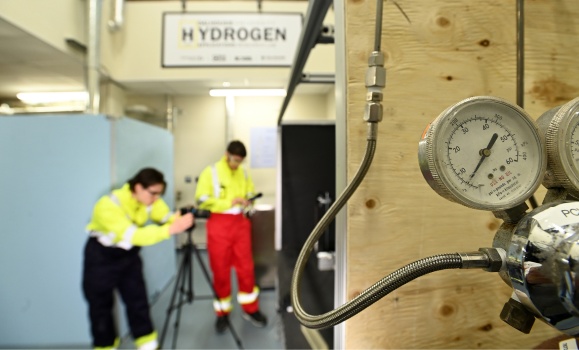
Have you ever thought about what would happen if hydrogen got involved with your kitchen stove? Well, Dalhousie University is stepping up to the plate with its Hydrogen Applications Research Laboratory (HARL). This spring, they made a big splash by joining an international program focused on testing hydrogen appliances. This effort really puts HARL in the spotlight, putting their research at the forefront of validating hydrogen-enriched natural gas for everyday appliances. It’s a super practical step towards decarbonizing the heating and industry sectors without having to tear out existing pipelines.
In partnership with Eastward Energy, a gas distributor based in Nova Scotia, HARL is exploring the use of hydrogen-enriched natural gas blends as a greener alternative to traditional methane. Eastward Energy ponied up about $200,000 in in-kind support, which helped the researchers configure testing setups that mimic household boilers, stoves, furnaces, and gas meters. As part of the broader Clean Technologies Research Institute and Dalhousie’s Green Hydrogen Research Cluster, the lab has been busy examining combustion characteristics, how different materials hold up, safety protocols, and overall performance across more than 60 trial setups. By running these trials under controlled conditions, Dr. Michael Pegg and his team gather detailed, locally relevant data—exactly what regulators and utilities need to set safe blending limits and appliance standards.
Benchmarking Against Global Protocols
By plugging into an international appliance testing framework, HARL can compare its hydrogen-enriched natural gas experiments with findings from labs in Europe and Asia. These global programs share methodologies and inter-lab comparison exercises, covering everything from how reliable ignition is to emissions profiling. With hydrogen’s unique properties—like its higher flame speed and wider flammability range—benchmarks become super important. What’s deemed safe and efficient in the Netherlands or Germany could look a bit different in Nova Scotia’s colder climate. HARL’s data adds a Canadian perspective to this international dialogue, guiding appliance makers on how to tweak burners, adjust control systems, and choose the right materials to handle hydrogen blends. It’s definitely not just a straightforward gas swap—it’s about ensuring each component in a heating system operates reliably under these new conditions.
Hydrogen-Enriched Gas in a Cold Climate
For folks in Halifax, where winter storms can drop temperatures way below freezing, keeping furnaces running smoothly is a must. That’s why local testing is so crucial. Nova Scotia has set out a Green Hydrogen Action Plan, which highlights blending green hydrogen into gas networks as a possible path for decarbonization. Yet, advancing any policy requires solid evidence to back it up. HARL’s experiments go the extra mile, measuring not just flame stability and heat output when it’s chilly outside, but also how different materials hold up under freezing conditions. They’re analyzing NOx and CO emissions with various fuel blends to see if hydrogen’s known clean-burning benefits really stand up in practice. The findings will be valuable for regulators updating building codes and provide utilities like Eastward Energy the confidence to try out hydrogen-enriched natural gas in real homes. This blend of lab science and practical application is crucial for developing standards that actually work within Atlantic Canada’s energy landscape.
Complementing Electrolysis Research
While the green hydrogen conversation often gravitates toward major electrolyzer projects and storage solutions, HARL is stepping into a crucial role in the downstream movement of research. Dalhousie’s Green Hydrogen Research Cluster has teams focused on electrolysis catalysts and renewable energy-powered production methods. Meanwhile, HARL is diving deep into how end-users experience this hydrogen—making sure it can flow smoothly through our energy grid and into real-world appliances. By confirming blending limits and identifying where upgrades are needed, the lab sheds light on which gas meters, burners, and valves must be redesigned—vital insights for manufacturers aiming to create hydrogen-ready appliances. By paving the way for easier deployment of zero-emission heating systems, this research helps minimize the need for expensive retrofits or complete equipment overhauls while supporting efforts for decarbonization in industry and reinforcing the case for cleaner hydrogen uptake.
Collaboration That Drives Standards
Being part of this international program also means HARL is helping shape the rulebook for hydrogen infrastructure globally. By working on protocols for ignition tests, leak detection, efficiency benchmarks, and safety margins, they’re feeding valuable contributions into standards bodies and codes committees worldwide. This collaborative spirit helps appliance manufacturers gain wider recognition for hydrogen-ready certifications, eliminating a confusing patchwork of regional regulations. For a lab in Canada to produce test results aligned with European or Asian standards accelerates product development and opens doors for local businesses to export their innovations. It’s truly a win-win: Dalhousie provides essential data on cold-climate performance while partners contribute established methodologies and validation across labs. These networks build confidence in emerging hydrogen markets, making regulators more at ease with increasing blending ratios or giving the green light to new hydrogen infrastructure projects.
The Road Ahead
Of course, lab results are just the tip of the iceberg. HARL’s future plans include ramping up tests for higher hydrogen concentrations and even digging into pure hydrogen operations. As part of this international alliance, they might take on appliance trials for fuel cell technology and look into hybrid systems that combine hydrogen with electricity. Gathering data on NOx control, material aging, and system efficiency over the long haul will be super important. On the regulatory side, officials will be keeping a close eye on HARL’s work to help them draft guidance on permissible blending limits and emergency procedures. Utilities eyeing pipeline upgrades or hydrogen storage hubs will want to factor in these findings for their infrastructure investments. With global interest in green hydrogen and storage on the rise, the insights from Nova Scotia’s cold-weather labs could very well impact projects stretching from the Prairies to the North Atlantic.
Why It Matters
By connecting local trials with international benchmarks, HARL is transforming a regional lab into a springboard for advancing policy, industry, and technology. For utilities, it provides the data needed to back hydrogen mix pilot projects. For appliance manufacturers, it’s concrete proof that design adaptations can lead to safer and more efficient products. Regulators gain evidence to create robust building codes and emergency plans. And for local communities, it brings reassurance that a green future doesn’t come at the expense of keeping warm during winter. In a world striving for sustainable energy solutions, having a well-tested approach to hydrogen-enriched natural gas could be the essential link between dreams and real-world implementation, pushing Nova Scotia closer to its net-zero goals.