Dongfeng Launches Integrated Solar-Hydrogen-Electric Station in Rural Xinjiang
Dongfeng Motor has commissioned a containerized solar-hydrogen-electric smart energy station in rural Xinjiang, combining PV, battery, electrolysis, solid-state storage and fuel-cell technologies, aligning with China’s hydrogen strategy but lacking independent performance data.
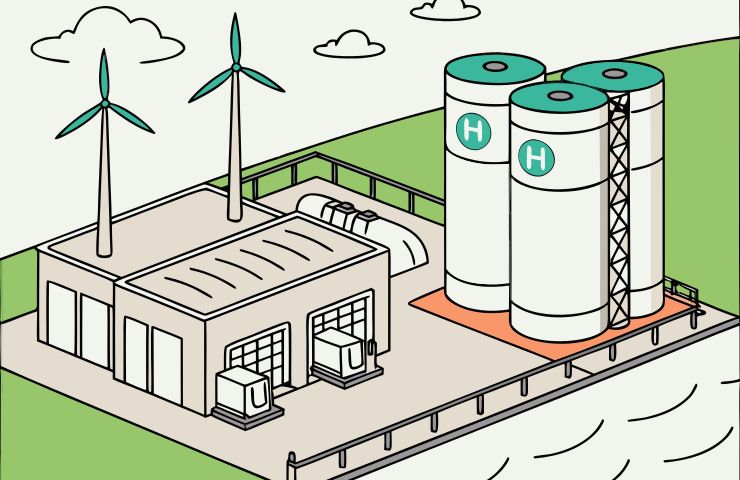
Dongfeng Motor has launched an innovative integrated solar-hydrogen-electric smart energy station in Yustun Kashi Arik Village, nestled in Gezlik Town, Kalpin County, Aksu Prefecture, Xinjiang. This cutting-edge system is packed into a 20-foot container and brings together a variety of technologies: photovoltaic arrays, battery storage, PEM water electrolysis, solid-state hydrogen containment, and a fuel cell. It’s designed to operate independently off-grid or connect to the grid for peak shaving, managing solar electricity to power local needs, charge batteries, generate hydrogen from extra power, and reconvert that hydrogen back into electricity when necessary.
From Solar to Hydrogen: A Five-in-One Approach
This energy station’s photovoltaic modules expertly capture sunlight and convert it into direct-current electricity. An on-board inverter then directs this power either to local consumer loads or to a battery energy storage system. The batteries are vital for managing short-term demand peaks and fluctuations, especially when clouds roll in and affect solar output. Whenever loads and battery capacity can’t utilize all the solar energy produced, the PEM electrolysis unit steps in. It splits water into hydrogen and oxygen, taking advantage of the variable renewable power with its quick start-stop capabilities. The hydrogen gets stored in a solid-state storage medium—think metal hydrides or porous materials—which offers safer low-pressure storage with higher density than conventional gas cylinders. When solar energy is low or there’s a grid outage, a hydrogen fuel cell converts the stored hydrogen back into electricity, providing backup power for longer durations.
Smart Energy Management and Safety
A sophisticated control platform manages the flow of power, keeping an eye on solar irradiance, battery levels, hydrogen reserves, and load demands in real-time. The software smartly prioritizes using solar power first, then tapping into the battery, and kicks in the fuel cell only when the other options are used up. The system operates in two modes—off-grid and grid-connected peak shaving—making it adaptable to the local distribution infrastructure. Safety is also a big deal here, with a three-zone hydrogen layout featuring dedicated ventilation, leak detection, alarms, and fire suppression, based on commissioning reports. However, it’s worth noting that independent certification or third-party inspection records haven’t been made public yet, leaving the actual safety performance somewhat in question.
Containerized Mobility and Deployment
The whole unit is packed into an ISO-compliant container, which makes transportation, site prep, and installation a breeze. Dongfeng also hints at possible future uses, like mobile hydrogen refueling stations for vehicles or emergency power for maritime applications. But, they haven’t publicly disclosed detailed plans for transport certification, hydrogen dispensing infrastructure, or marine integration, indicating that these ideas are still in the dreaming stage.
Economic Outlook and Uncertainties
According to project literature, you could save around 100,000 yuan annually on electricity costs and expect the system to operate reliably for about seven to ten years. There are some optimistic forecasts that hydrogen refueling costs might drop below 20 yuan per kilogram at scale. But here’s the kicker—no concrete financial models, tariff structures, or utilization profiles have been shared, and we’re still waiting to hear about the system's capital costs, operating expenses, and maintenance needs. Without real operating data—like round-trip efficiency, hydrogen output, uptime, and lifecycle emissions—we can’t effectively gauge its economic viability or ROI.
Strategic Fit within China’s Hydrogen Ecosystem
This ambitious project aligns with the Medium- and Long-Term Plan for Hydrogen Energy from China’s National Development and Reform Commission and National Energy Administration, which aims for substantial growth in green hydrogen production and fuel-cell use across various sectors. The rapid renewable energy expansion in Xinjiang—adding nearly 9.8 GW of solar capacity in just the first half of last year—alongside the opening of Sinopec’s green hydrogen plant in Kuqa, highlights the region's growing importance. For Dongfeng, transitioning from vehicle prototypes to a comprehensive stationary system represents a significant leap into the realm of distributed energy solutions.
Technical Challenges and Validation Needs
Reviews discussing solid-state hydrogen storage have pointed out ongoing issues with charge-discharge kinetics, thermal management, material costs, and long-term durability. Additionally, hydrogen systems need thorough leak detection, proper ventilation, and emergency-response protocols—areas that are still evolving under the GB/T 43674-2024 standard. Unfortunately, the actual performance of the smart energy-management software and its interaction with the grid have yet to be disclosed. There’s also a lack of information on water consumption and ecological impacts, which is critical, especially in arid areas.
Looking Ahead
The Xinjiang project stands as a tangible example of how automotive fuel-cell technology can pivot towards stationary and modular energy solutions. If the operating data confirms its potential for cost savings, reliability, and safety, we may see containerized solar-hydrogen microgrids emerging as a flexible solution for rural electrification, off-grid industries, transport corridors, and emergency responses. As stakeholders work toward establishing hydrogen infrastructure, the key takeaway here is the necessity for independent validation, standardized testing protocols, and clear performance data. This is vital for building confidence and scalable zero-emission distributed energy systems. Moving forward, governments, investors, and technology providers will be eyeing upcoming performance reports to evaluate if this model can be replicated in different regions and market conditions. Plus, tying in with rural revitalization initiatives could amplify benefits beyond just energy access, potentially driving broader economic development too.