EU Launches Market Test for Hydrogen Infrastructure: Pipelines and Storage
The European Commission launched a non-binding infrastructure testing round under the EU Hydrogen Mechanism to gauge market interest in pipelines and storage, guiding future investment.

The European Commission has just kicked off a new, non-binding round for testing infrastructure under the EU Hydrogen Mechanism. This isn't just about matching supply with demand anymore; they're diving into active network planning. The program, which lives on the EU Energy and Raw Materials Platform and operates with the backing of the European Hydrogen Bank, is inviting Transmission System Operators (TSOs), Hydrogen Network Operators (HNOs), and a whole bunch of developers to gauge market interest in the hydrogen pipelines and storage facilities that are in the works.
Strong Appetite, New Focus
Wrapping up the first round of the Hydrogen Mechanism earlier this year, they saw an impressive turnout, with 265 supply projects and 45 offtake projects jumping into the mix. A whopping 87% of suppliers got interest from potential buyers! This shows there's a big push from both producers and buyers to make connections, but it also shines a light on some ongoing worries about the availability of infrastructure. So, what did the Commission do? They designed a second round focused specifically on the physical assets needed to effectively deliver clean hydrogen at scale across Europe.
Why Infrastructure Market Testing Matters
Let’s talk about hydrogen transmission pipelines and hydrogen storage facilities for a moment. These are big-ticket items that need solid demand signals before anyone is ready to shell out money or get permits. By gathering non-binding expressions of interest, this market testing phase turns a jumble of one-on-one discussions into a more organized process. This way, we can keep transaction costs low and clear up some of that lingering uncertainty. It’s also in line with the TEN-E Regulation, which allows hydrogen infrastructure like pipelines and storage facilities to be recognized as Projects of Common Interest (PCIs) or Projects of Mutual Interest (PMIs). This could help unlock faster permitting and access to public funding, making it easier for investors to pinpoint corridors with strong interest and less risk of falling short of usage.
Technical Perspectives: Pipelines and Storage
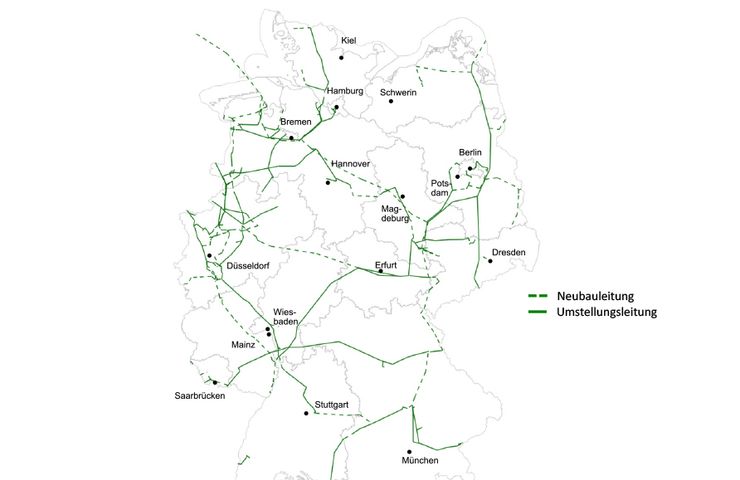
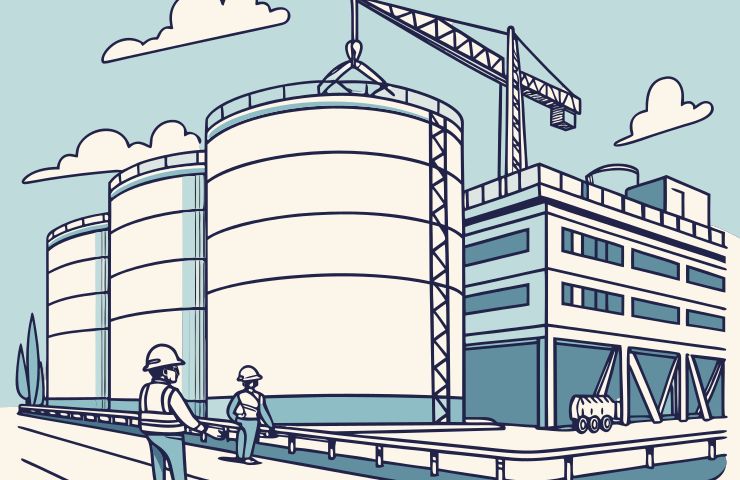
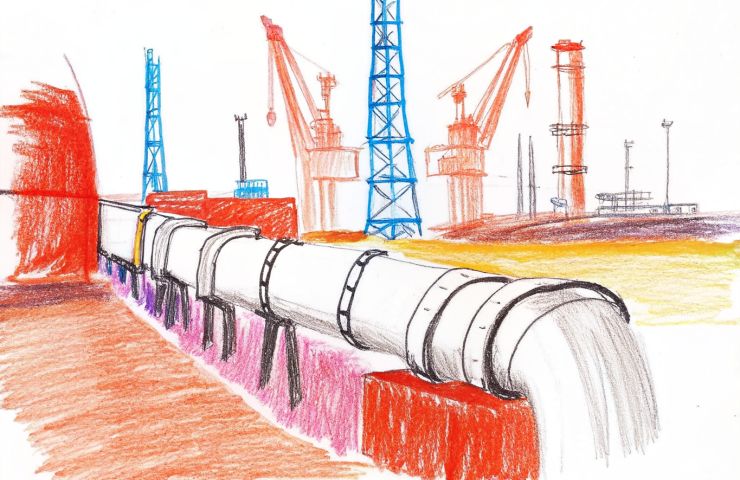
The hydrogen pipelines being discussed could either be existing gas lines that have been repurposed or brand new networks. They typically operate at high pressure to transport gaseous hydrogen across borders, getting it to those industrial hubs and ports. This involves all sorts of equipment like compressor stations, valves, and monitoring systems to ensure safety and maintain flow. As for hydrogen storage, we’re looking at options like underground salt caverns, old gas fields, or high-pressure tanks that help balance out supply and demand on a seasonal or daily basis. The results from this testing phase will inform how the pipeline capacity is booked and how tariffs are set, allowing operators to align technical specs with what's actually needed in the market. By participating in this infrastructure round, shippers and end-users can specify what kinds of storage they prefer and share details about their expected usage patterns, which is key information for designing resilient, cost-effective infrastructure.
Policy and Funding Alignment
This infrastructure testing round is crucial in the larger context of EU policy. The European Hydrogen Bank can provide up to €3 billion in financial backing, and they've already set aside €720 million for pilot auctions aimed at supporting 1.58 million tonnes of renewable hydrogen over the coming decade. By working under this framework, the Hydrogen Mechanism plays a vital role in closing the cost gap between clean hydrogen production and fossil fuel alternatives. Plus, it syncs up nicely with other energy market-building strategies and funding avenues, including national auctions and regional hydrogen valley initiatives.
Economic and Strategic Impacts
From an investment point of view, having data-driven insights into volume forecasts and timing can significantly cut down on the risks of stranded assets and improve overall bankability. For network operators, having project-specific details on potential shippers helps in deciding capacity bookings, designing tariffs, and nailing down technical specs. This approach can really speed up the permitting applications, shorten financing timelines, and lay the groundwork for cross-border projects that support Europe’s vision for a hydrogen backbone. Policymakers can also benefit from a clearer overview of emerging corridors, which helps prioritize PCIs/PMIs and streamline regulatory processes. On the environmental front, solid infrastructure connects low-carbon and renewable hydrogen production to industrial and transport hubs, aligning with the EU's mission to decarbonize those hard-to-abate sectors and lower dependence on imported fossil fuels.
Digital Platform and Confidentiality
This whole testing round is run through a secure digital interface within the EU Energy and Raw Materials Platform. Registered users can suggest assets and submit their use profiles in a dedicated tab. The system is designed with confidentiality in mind, meaning that any sensitive commercial data will only be visible to partner participants. However, it can generate anonymized summaries of aggregated interest, which is super useful for smaller developers and investors who want to gauge market dynamics. Flexibility is built into this digital backbone; past matching rounds for supply and demand were wrapped up in under five months, so it’s easy to activate the infrastructure module around chosen projects.
Players and Regional Reach
So far, we’ve seen participation from 33 countries in the first matching round, and this new infrastructure testing is expected to gather similar involvement from across Europe. Alongside national TSOs, new private hydrogen network operators and industrial clusters can also take part in the partnership. The mechanism is open to both renewable hydrogen and low-carbon derivatives, like ammonia and e-methane. However, the current focus is on transporting and storing gaseous hydrogen from renewable production sites to demand centers across the Member States.
Geopolitical and Security Context
In a move to bolster Europe’s energy security, the Commission has decided to temporarily exclude hydrogen supply offers from Russia and Belarus from this mechanism. While this round is all about infrastructure within the EU, the platform is still open to international suppliers from other regions as long as they meet the certification and sustainability criteria. By ensuring that these physical networks can connect to a diverse array of renewable and low-carbon production sites, the mechanism advances both decarbonization efforts and a strategic shift away from reliance on Russian gas pipelines.
From Strategy to Implementation
This infrastructure testing round is a big step forward in the EU’s broader hydrogen strategy, which has its roots in the Hydrogen Strategy and the Fit for 55 package. Earlier initiatives were focused on setting targets for green hydrogen production methods and increasing electrolyser deployment, but progress has been stunted by a lack of robust transport and storage options. Now that PCIs/PMIs are helping streamline cross-border infrastructure and the Hydrogen Mechanism is gathering important market data, Europe is closing in on turning those high-level ambitions into a workable reality.
What to Watch Next
For those interested in this infrastructure round, be sure to mark your calendars for the submission deadline and put together solid asset profiles. After the initial expressions of interest come in, the Commission will host platform walkthroughs and finalize the test parameters. Keep an eye out for public summaries of non-commercial insights, which could point to hot spots in hydrogen pipeline corridors and storage clusters. Ultimately, the success of this approach will hinge on how quickly TSOs and HNOs can move from testing to securing permits, finalizing financing, and eventually starting construction.
As Europe ramps up its hydrogen production, having strong infrastructure is essential for creating an integrated market. This will connect green hydrogen hubs in the Atlantic to industrial clusters across the continent. By tapping into digital market data from the EU Hydrogen Mechanism, the Commission is working to guide investments, streamline policy applications, and build the backbone that will carry hydrogen’s potential from production sites to where it’s needed most. Stakeholders have the chance to engage now and help shape the corridors that will support Europe’s decarbonization path.