Fuel-Flexible Generators Accelerate Hydrogen Infrastructure for Data Centers
H2CHP secures £1.5 million to commercialize fuel-flexible, zero-emission generators for hydrogen data centers, ports and microgrids, boosting hydrogen infrastructure.
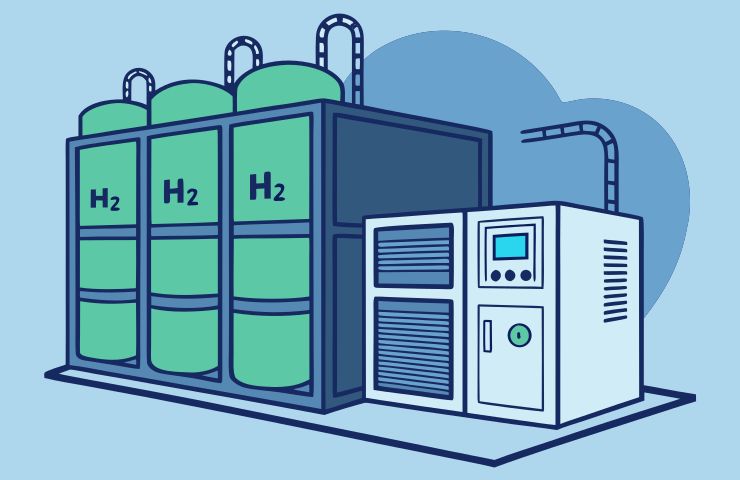
Imagine if your data center could ditch diesel for zero-emission hydrogen in just a few minutes. Sounds like something out of a sci-fi movie, right? But thanks to H2CHP Limited, a spinout from Durham University, that vision is getting closer to reality. They recently secured £1.5 million to supercharge their fuel-flexible electric generators—an answer to the growing demand for reliable, clean power.
This infusion of cash is coming from three different spots: £300,000 from Northstar Ventures' North East Spinout Inspire Fund, £500,000 from Blackfinch Ventures, and a £700,000 grant from Innovate UK. It’s not just about boosting their finances; it’s a strong indicator that both fuel versatility and hydrogen infrastructure are becoming hot topics on corporate and policy agendas.
Fuel Agility for a Stressed Grid
In the UK, data centers are facing a surge of connection requests that far exceed the national peak demand. Operators find themselves stuck in long queues, with requests stacking up in the tens of gigawatts, which is hindering the growth of digital services. But here’s where on-site generation shines as a beacon of hope. H2CHP’s generators harness hydrogen for zero emissions while also being able to run on ammonia, biofuels, or e-fuels. This flexibility allows operators to adapt as hydrogen storage and supply chains evolve.
And it's not just data centers that could benefit from this versatility. Think about ports grappling with fluctuating electricity prices, construction sites needing backup power, and microgrids aiming for dependable, zero-emission tech. These generators are designed to boast up to 45% efficiency, outperforming many traditional gas engines and giving battery storage a run for its money.
Linear Motor Magic
The secret sauce in these generators is a groundbreaking linear electric motor that skips the need for rare-earth permanent magnets. Instead, it uses digitally controlled combustion or low-temperature reactions to directly drive pistons, converting fuel into electricity with impeccable air-fuel mixing. When running on pure hydrogen, emissions from combustion are virtually non-existent. This makes it a prime player in the latest hydrogen fuel cell news regarding backup power solutions.
Plus, the software-controlled system allows for quick fuel switching, meaning today it can burn ammonia, and tomorrow it might run on biofuel. This adaptability means less dependence on a single fuel source and helps manage risks associated with the supply chains of rare-earth materials. It aligns perfectly with broader industrial decarbonization efforts.
Backing and Business Angle
Northstar Ventures and Blackfinch Ventures have a solid reputation in the climate tech space, investing in everything from solar panels to green ammonia projects. Their investment, alongside the Innovate UK grant, highlights a promising blend of public-private financing that's reshaping how hydrogen projects get funded. By reducing the risks associated with early-stage development, this approach is speeding up hydrogen infrastructure rollouts and paving the way for large-scale hydrogen production methods.
Investors are eyeing a multi-billion market. Just think about it: backup generators alone rake in billions of annual sales, and there’s a real opportunity for on-site, zero-emission units to capture significant market share, especially as emissions regulations start to tighten. H2CHP’s spinout status is a sign of a maturing UK ecosystem where universities are fostering advancements in sustainable energy.
Powering Ports, Microgrids, and Beyond
Ports that handle cranes and cold storage need instant access to power while complying with stricter emissions standards. A fuel-flexible approach allows these operators to start off with biofuels today and transition to green hydrogen down the line as the supply chain catches up.
For rural microgrids lacking robust transmission, these generators can be integrated with solar and wind power, helping to smooth out the variability. With the capability to utilize grey, blue, or fully green fuels, operators have a practical roadmap toward decarbonization.
Challenges on the Horizon
Of course, no rollout is without its challenges. Scaling up green hydrogen production is still a big hurdle—while electrolyser capacity is increasing, supply remains a bit shaky. We also need more infrastructure for hydrogen refueling and storage, not to mention addressing safety perceptions around hydrogen through consistent community outreach.
On the regulatory side, incentives for low-carbon generators are shifting. H2CHP will have to navigate through a maze of regulations from local planning to national grid codes. But investors seem to be optimistic that with the right mix of policy support, rising diesel costs, and stricter emissions regulations, there’s a good chance that fuel agility will gain the upper hand.
What Comes Next
With this latest funding round, H2CHP Limited is set to refine its prototypes, conduct pilot deployments, and collaborate with early adopters to validate performance in real-world settings. They’re hinting at potential demo sites in North East England, leveraging local manufacturing capabilities that Durham University and regional innovation funds have nurtured.
As green hydrogen production scales up under initiatives like the Net Zero Hydrogen Fund, the demand for compatible generators is bound to soar. If H2CHP manages to meet its efficiency and emissions targets, we could be on the brink of a new era of resilient, zero-emission power for data centers, ports, and microgrids. In a time when every megawatt counts, the flexibility in fuel might just be the game-changer the hydrogen economy desperately needs.
This development also underscores the incredible potential of university spinouts. Durham University not only incubated H2CHP as its first Inspire Fund recipient but also showcases how academic labs can turn breakthroughs in technology and emissions controls into solutions ready for the market. As the North East rebuilds its industrial legacy, this project puts a spotlight on local talent and a commitment to clean energy.
With a focus on durability, advanced digital controls, and fuel versatility, H2CHP’s generators are poised to redefine what clean backup power looks like—and in doing so, they’re accelerating the hydrogen revolution one generator at a time.