Green hydrogen infrastructure: H2 MOBILITY cuts prices at 15 German refuelling stations
H2 MOBILITY will cut gross hydrogen prices by 12%–16% at 15 German refuelling stations starting in October, leveraging green hydrogen production and greenhouse-gas reduction quota credits to support a mixed-use network serving passenger cars, buses and trucks.
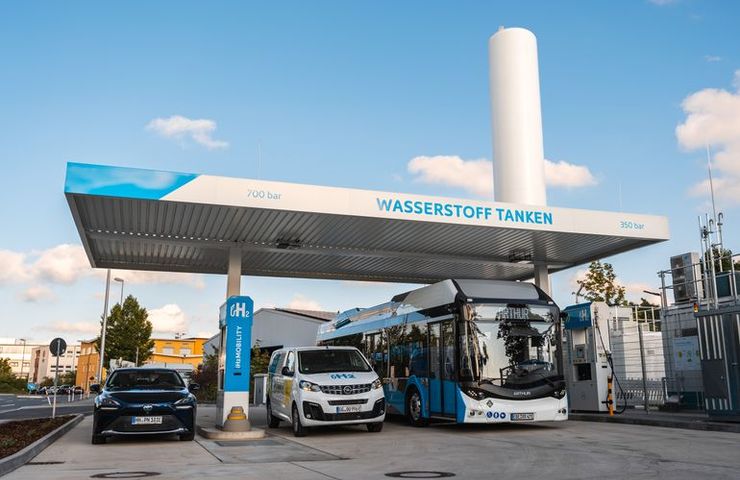
H2 MOBILITY just shared some exciting news: they're slashing prices on hydrogen fuel at 15 of their public refueling stations across Germany. Starting from October 1, customers will notice a friendlier price tag at the pump, depending on where they fill up. This move comes on the heels of a price cut back in June, where they reduced rates at five high-capacity stations. The locations benefiting from this change include key areas such as Bayreuth, Düren, Munich, the Cologne/Bonn Airport, Stuttgart Airport, and Saarbrücken.
- Discount range: Experience noticeable savings off the gross retail price.
- Coverage: We're talking 15 stations spread across Bavaria, North Rhine-Westphalia, Baden-Württemberg, Hesse, and Saarland.
- Fuel supply: All about that green hydrogen, produced through electrolysis with renewable sources.
- Regulatory support: These lower prices are partly thanks to funding from Germany’s greenhouse-gas reduction quota scheme.
- Network evolution: The current 700 bar stations are being upgraded to 350 bar setups, making them more suitable for buses and trucks.
- Strategic aim: The goal here is to encourage more commercial fleets to go green.
Network evolution and investment
Since its inception in 2015, H2 MOBILITY has been on a mission to build a robust hydrogen-refueling network for fuel-cell vehicles. They initially focused on 700 bar stations in high-demand areas and along main highways. However, usage didn’t quite meet expectations, which led them to consolidate low-traffic sites and upgrade facilities to cater to buses and trucks with 350 bar. Last year, Hy24, an institutional investor, jumped in to back H2 MOBILITY's Clean Hydrogen Infrastructure Fund, marking a growing interest in green hydrogen infrastructure. Still, profitability largely depends on usage rates and stable tariffs.
Environmental considerations
When we talk green hydrogen, it’s essential to understand that its environmental benefits heavily depend on the electricity mix and how effectively certification processes are implemented. Electrolysers can harness renewable energy right on-site or use contracted renewable energy certificates. But, quick heads up—transportation and compression can boost lifecycle emissions, so careful auditing is vital to back up claims of being “green.” Platforms like H2.LIVE provide useful insights into station availability and technical details, but they don’t actually validate the carbon footprint of the hydrogen.
Studies show that the lifecycle emissions for a kilogram of green hydrogen can swing widely, depending on grid intensity and energy used in compression.
Stations under the discount
The fifteen stations enjoying this price boost in October include popular spots like Bayreuth, Düren, Düsseldorf-Oerschbachstraße, Erlangen, Frechen, Fürth, Herten, Cologne/Bonn Airport, Leverkusen, Munich, Saarbrücken, Sindelfingen, Stuttgart Airport, Weiterstadt, and Wesseling. These locations cover a mix of urban areas and vital transport hubs, linking together places like Bavaria, the Rhineland, the Rhine-Ruhr region, Hesse, and Saarland.
Mechanics of the price reduction
The recent price drop is rooted in two main factors. First off, these stations use certified green hydrogen, which is produced through renewable-powered electrolysis. On top of that, Germany’s greenhouse-gas reduction quota requires fuel suppliers to reduce lifecycle emissions, leading to tradable compliance credits. H2 MOBILITY is leveraging part of this credit value to offer lower refueling costs, all without the need for direct grants.
Initially set up for passenger vehicles at 700 bar, these stations have been revamped to accommodate heavy-duty vehicles at 350 bar. The upgrades include additional storage tanks, more powerful compressors, and pre-cooling systems to help manage the rapid flow of gas and its temperature. For comparison, passenger-car dispensers handle a decent amount of hydrogen per fill, while the 350 bar setup is equipped to accommodate a larger load every session.
Commercial implications
As more buses and trucks tap into these refueling stations, it can help spread fixed costs over a greater volume of hydrogen, which is a win-win for everyone. Fuel-cell buses and trucks shine with their zero tailpipe emissions, and with hydrogen prices dropping, they stand a stronger chance against diesel and fast-charging battery options.
However, the availability of vehicles remains a hurdle, and fleet operators usually want long-term offtake agreements before committing to any refueling networks.
This latest price cut builds on the earlier reduction from June at five high-capacity stations. It'll be interesting to see how fleet managers and municipal transport authorities react to these changing price dynamics and whether it leads to increased demand.
Industry analysts point out that the two largest expenses for commercial vehicles are fuel and drivers. While lower hydrogen tariffs can help lower operating costs, it's crucial to remember that fuel-cell trucks often come with higher upfront costs and require careful planning around maintenance and servicing. For municipal operators figuring out total cost of ownership (TCO) scenarios, reliable refueling prices combined with regulatory credits could tip the scale in favor of hydrogen, especially where electric charging infrastructure isn’t as developed.
Earlier discount and network scale
A similar price cut was implemented back in June at five high-throughput stations: Mannheim, Heidelberg, Frankenthal, Ludwigshafen, and Düsseldorf-Höherweg. Today, H2 MOBILITY boasts over 90 public refueling stations in Germany and Austria, but a recent update pointed out around 70 public 700 bar sites in Germany due to a consolidation process. These numbers can shift depending on various factors, highlighting the need for clear boundaries when discussing network growth.
Role of regulatory incentives
Germany’s greenhouse-gas reduction quota sets hard targets for fuel suppliers, mandating a necessary reduction in lifecycle CO2 intensity. Supplying renewable hydrogen earns credits that can be monetized. The Federal Ministry for the Environment outlines the eligibility rules, but keep in mind that credit prices can vary in the secondary market. Participants must track their hydrogen production paths—from sourcing renewable electricity to electrolyser operations and ultimately, dispensing at the stations.
Martin Jüngel, Managing Director and CFO of H2 MOBILITY, credits this October adjustment to combined savings from green hydrogen supply and quota revenues. Though, it’s worth mentioning that detailed station-level credit figures and lifecycle emission data haven’t been shared publicly yet, leaving some room for independent analysis regarding the economic impact.
Policy context and outlook
Recent legislative changes have made it clear that renewable hydrogen qualifies under the quota framework, extending past just biofuels. Future pricing will hinge on sustained values in the credit market, reliable certification processes, and consistent logistics around delivery. Right now, H2 MOBILITY is using the scheme to drop prices while evaluating the commercial viability of its network.
Looking to the future, there are potential risks like fluctuations in the credit market and changing EU regulations concerning renewable hydrogen certification. The Renewable Energy Directive lays out specific criteria for renewable hydrogen, and any tightening of these rules could affect credit eligibility. Essentially, H2 MOBILITY needs a stable policy environment to maintain its compliance values and justify ongoing infrastructure investments.
As we move forward, it’ll be fascinating to see if fleet operators start to lean into fuel-cell buses and trucks in response to these lower tariffs. Expanding local hydrogen production and storage could help drive costs further down; however, the simultaneous development of battery charging networks presents an alternative route for decarbonization. In the long run, the success of hydrogen refueling infrastructure in Germany will rely on a balance of effective regulation, proven green hydrogen supply chains, and competitive total costs of ownership.
About H2 MOBILITY
Founded in 2015 by Air Liquide, Daimler, Linde, OMV, Shell, and TotalEnergies, H2 MOBILITY Deutschland GmbH & Co. KG is all about planning, financing, building, and operating public hydrogen refueling stations. Over the years, their focus has shifted from just passenger cars to a more mixed-use approach that now includes heavy-duty refueling capabilities.