India’s Largest Green Hydrogen Project Launched at Panipat Refinery
IOCL and L&T Energy GreenTech have launched a pioneering 10,000 tonnes per annum green hydrogen plant at the Panipat Refinery under the SIGHT Mode-2B scheme to replace grey hydrogen, reduce emissions, and strengthen India’s clean hydrogen infrastructure.
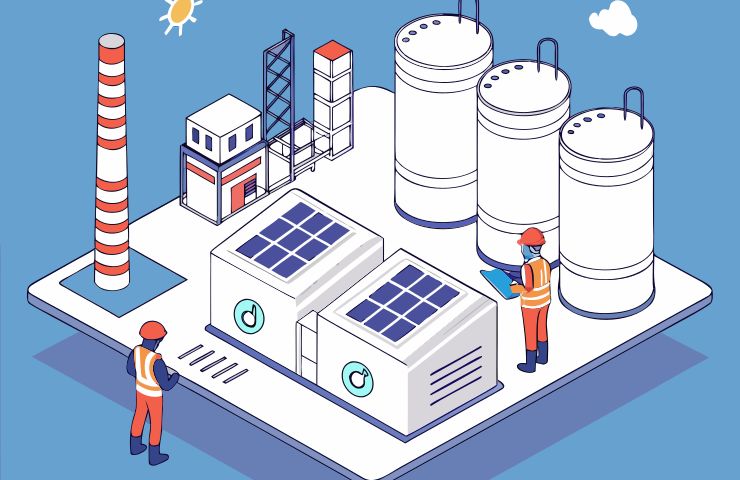
The Indian Oil Corporation Limited and L&T Energy GreenTech are joining forces on a groundbreaking project to kick off a green hydrogen plant at the Panipat Refinery. They’re looking to produce around 10,000 tonnes of green hydrogen each year. The goal? To replace traditional fossil fuels in refining operations, cutting down carbon emissions, and boosting energy security. This initiative is perfectly aligned with the National Green Hydrogen Mission’s SIGHT Mode-2B scheme and is a significant leap towards advancing clean hydrogen solutions and production methods in India.
Solving Real-World Problems in Refinery Operations
Traditionally, refineries have relied on natural gas to produce hydrogen, resulting in what we call grey hydrogen, which isn’t great for the environment due to its hefty CO₂ emissions. Blue hydrogen captures some of those emissions but still hasn't quite hit the mainstream in India. That’s where green hydrogen comes in as the cleanest option. Considering that India uses about six million tonnes of grey hydrogen each year, the output from the Panipat plant is just the first step in a significant shift. This project not only paves the way for hydrogen refueling stations supporting hydrogen vehicles but also sets up essential hydrogen infrastructure needed for the future.
Made in India, Made for India’s Future
What's really cool is that this initiative is all about creating local jobs and boosting the economy. By sourcing equipment for the electrolyser stacks, power conversion systems, and control systems from homegrown suppliers, the project embodies a “made in India, made for India’s future” spirit. Adopting a build-own-operate model with long-term contracts will encourage developers to invest in manufacturing capacity and develop local supply chains, which will help lower costs in the long run and strengthen the nation’s green hydrogen ecosystem.
Positive Environmental Impact and Economic Benefits
This project is projected to reduce around 100,000 tonnes of CO₂ emissions over its first five years, contributing to India’s ambitious goal of slashing up to 50 million tonnes of greenhouse gases by 2030. Additionally, the construction and operations are expected to create over 200 direct jobs, not to mention the indirect roles that will spring up across engineering, maintenance, and logistics fields. It’s not just about jobs; the plant will also foster specialized skills in electrolyser maintenance and hydrogen handling, laying the groundwork for future expansion and potential export opportunities.
Pathway to Expanded Green Hydrogen Production
The Panipat endeavor builds on previous green hydrogen pilot projects at BPCL’s Bina facility and HPCL’s Vizag refinery, where smaller electrolyser units have already shown that clean hydrogen can work in heavy industries. With this project poised for success, refineries could become pivotal points for green hydrogen demand, making large-scale production more feasible and encouraging further development of hydrogen infrastructure. Clean hydrogen contracts formed under this initiative will set clear price benchmarks, providing a solid financial footing for developers looking to fund more hydrogen projects.
Gateway to a Sustainable Hydrogen Economy
The success of this partnership could spur even more collaborations, attracting private developers and financial institutions to back green hydrogen initiatives across various sectors. When paired with hydrogen fuel cell applications—be it for backup power, hydrogen cars, or clean vehicles—this technology can become a cornerstone of a budding hydrogen economy. By combining renewable energy, electrolysis tech, hydrogen storage methods, and existing refinery operations, this project presents a scalable model for industrial decarbonization and sustainable growth in the hydrogen energy news space. Recent updates highlight how effectively hydrogen storage solutions paired with fuel cells can power data centers and essential infrastructure without any emissions.
Strategic Support Through SIGHT Mode-2B
Thanks to the Strategic Interventions for Green Hydrogen Transition (SIGHT) Mode-2B program, the Ministry of New and Renewable Energy is boosting demand across four major refineries and handing out tenders that favor the best green hydrogen offers. This project scored a 10 KTPA allocation through competitive bidding, setting the stage for future contracts. With production-linked incentives of up to ₹50 per kilogram, it’s becoming easier to finance and run large-scale electrolysers while ensuring that buyers get competitively priced supplies.
Leveraging Local Expertise and Resources
Panipat’s rich industrial background and skilled workforce create the perfect setting for this venture. By tapping into local manufacturing hubs for electrolyser components, they’re not just cutting supply chain costs, but also leading to shorter project timelines. Training programs are being rolled out to help technicians, engineers, and plant operators become proficient in hydrogen management, safety, and maintenance. This focus on upskilling isn’t just about operational stability; it also enriches the local economy by opening up new career avenues in the hydrogen sector.
Collaboration With Government and Industry Stakeholders
For this plant to thrive, it’s essential that public and private sectors work seamlessly together. The Ministry of New and Renewable Energy has laid out clear rules under the SIGHT program while the Solar Energy Corporation of India and local regulators have facilitated grid connections and power purchase agreements. L&T Energy GreenTech brings in their technical expertise while Indian Oil contributes decades of refinery operations insight. This teamwork makes sure that regulations are met, approvals are timely, and hydrogen project financing structures are optimized.
Looking Ahead: Scaling Up and Replication
With commissioning just around the corner, the Panipat plant is set to serve as a blueprint for upcoming projects designed to produce between 5,000 and 10,000 tonnes annually at other refineries. Facilities like BPCL’s Bina and HPCL’s Vizag are also planning expansions that will add another 10 KTPA to the mix. Developers are even exploring designs that combine wind and solar power with battery and hydrogen storage to ensure continuous operation. And as more tenders are rolled out, this model can extend to chemical plants, steel mills, and data centers, showing how green hydrogen production and storage can tackle industrial decarbonization challenges on a large scale.
By accelerating the rollout of green hydrogen infrastructure, this landmark partnership is delivering on the promises of the National Green Hydrogen Mission. It's a game changer for refinery decarbonization, tapping into local expertise to tackle one of the industry's toughest challenges and paving the way toward a low-carbon energy future.