STL Shifts Optical Fibre Plants to 100% Renewable Power and Green Hydrogen
STL has shifted four optical fibre plants in Aurangabad to 100% wind and solar power via MSEDCL and uses green hydrogen in glass preforms, cutting emissions up to 80% and advancing its net-zero goals.
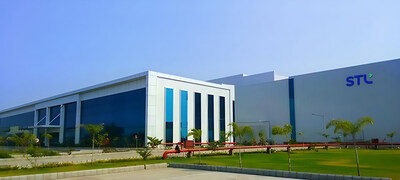
STL (Sterlite Technologies Limited) is stepping up its game when it comes to climate action. They’ve made a significant leap by transitioning four of their optical fibre manufacturing plants in Chhatrapati Sambhaji Nagar (Aurangabad), Maharashtra, to run on 100% green power. Not only that, but they’ve also started integrating 100% green hydrogen into their glass preform production. As a frontrunner in optical fibres, cables, and AI-ready digital network solutions, STL has made a bold promise to reach net-zero emissions from its manufacturing operations by 2030, along with committing to zero waste to landfill across all its sites. With a solid sustainability roadmap supported by Science Based Targets initiative frameworks and annual reports, STL is deploying savvy procurement strategies that combine off-site wind and solar energy arrangements with a long-term green hydrogen supply contract. This will tackle both scope 2 and scope 1 emissions, especially in a sector that’s notoriously energy-intensive.
How is STL cutting its carbon footprint?
When it comes to cutting emissions, STL is laser-focused on two major culprits. For scope 2 emissions, which are linked to purchased electricity, they’ve struck deals for renewable energy from local wind and solar farms. This clean energy gets fed into the state grid, and through MSEDCL, the utility tracks and supplies this renewable power directly to STL’s four plants using a market-based accounting approach. This shift is expected to lead to about a 65% reduction in their scope 2 emissions compared to using a conventional grid that's heavily reliant on fossil fuels.
The way STL is managing this is quite clever. Unlike traditional methods that just look at the average carbon intensity of the grid, STL pairs each megawatt-hour with specific renewable projects. This ensures their plants are genuinely powered by certified renewable sources. On top of that, it sends a strong signal for the need for more green energy capacity while supporting India’s broader renewable energy ambitions.
Addressing scope 1 emissions required a different strategy altogether. During the glass preform manufacturing process—where they create the silica glass essential for fibre drawing—STL usually relied on fossil-derived hydrogen and oxygen in a high-temperature chemical process. But now, they’ve teamed up with Hygenco to swap those inputs with green hydrogen and oxygen produced from renewable-powered electrolysis. This switch means they can cut CO₂ emissions linked to the manufacturing process without sacrificing the quality or efficiency of their fibre production.
By blending market-based renewable power sourcing with clean hydrogen integration, STL is aligning its operations with their net-zero goals, setting a scalable example for other heavy industries facing similar decarbonization hurdles.
Why was Aurangabad chosen?
Chhatrapati Sambhaji Nagar stands out for a reason. It’s not just any spot; it has a thriving industrial ecosystem that boasts a mix of existing renewable infrastructure, strong manufacturing clusters, and solid state support for green energy initiatives. The city has evolved from its agricultural roots into a lively economic hub, hosting major sectors like automotive, pharmaceuticals, and telecom. Local authorities have made it easier to greenlight renewable projects, cutting through red tape, which makes Aurangabad a perfect launchpad for integrated green power and hydrogen solutions. By co-locating their fibre operations and hydrogen plant, STL is simplifying logistics while ensuring they have a steady supply of what they need for their high-temperature processes.
What technologies are at play?
STL’s approach leverages both reliable renewable sourcing and cutting-edge green hydrogen technology:
- Off-site Renewable Contracts: They’ve signed power purchase agreements with wind and solar generators. The output feeds directly into the grid, and MSEDCL helps match that power with STL’s consumption.
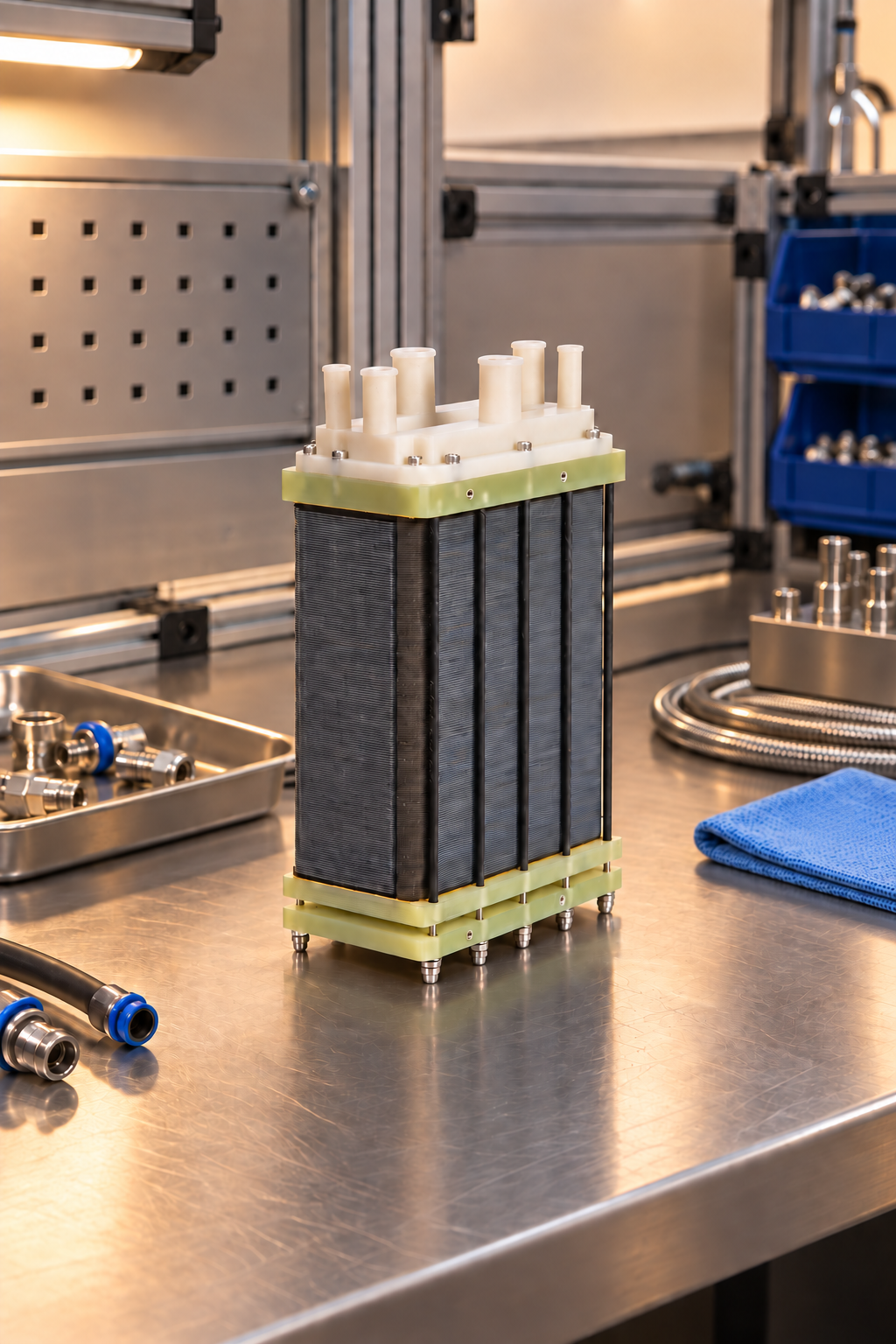
- Electrolysis for Green Hydrogen: At Hygenco's dedicated facility, water gets split into hydrogen and oxygen using renewable energy. These gases are sent straight to the glass preform furnaces.
- Process Fuel Conversion: Their furnaces, which were set up for natural gas or fossil fuels, are now adapted to efficiently use pure green hydrogen, taking full advantage of its high flame temperature for optimal silica deposition.
- Emission Monitoring: They’ve got sensors and data systems that keep an eye on energy usage and gas purity, which feeds into STL's sustainability reporting in line with Science Based Targets initiative guidelines.
This smart use of existing distribution and process controls has allowed STL to minimize costs while ensuring production continues smoothly, all while slashing their carbon footprint.
Who are the key partners?
STL isn’t in this alone; they lean on two crucial partners to bring their decarbonization plan to life. MSEDCL, Maharashtra’s state electricity distribution utility, is pivotal in greening the grid supply through renewables and certification. Meanwhile, Hygenco, a developer specializing in green hydrogen, designed and now operates the electrolyzer facility under a long-term build-own-operate model. This partnership gives STL financial certainty and technical assistance while ensuring a consistent and commercially viable supply of green gases tailored for their glass manufacturing needs.
What are the benefits?
STL's initiative to combine green power with green hydrogen is proving to be a game-changer, offering a mix of environmental, economic, and strategic advantages:
- Deep Emissions Cuts: They’re looking at nearly a 65% reduction in scope 2 emissions and a significant drop in scope 1 emissions thanks to the switch to green hydrogen.
- Product Decarbonisation: The carbon footprint for STL’s bend-insensitive G.657.A2 fibre has plummeted by about 80%, from 4.7 kg CO₂e per fibre kilometre to just 0.9 kg CO₂e/fkm.
- Cost Stability: Their build-own-operate agreement with Hygenco keeps fuel prices steady, while their renewable energy contracts help lock in electricity costs for the long haul.
- Market Differentiation: As telecom operators and data center developers are increasingly focused on carbon metrics, STL’s low-carbon fibres are becoming the go-to option for environmentally conscious clients.
- Policy Alignment: This initiative aligns perfectly with India’s National Green Hydrogen Mission and state renewable policies, highlighting the benefits of public-private collaboration.
- Local Air Quality: By cutting down on-burn fossil fuels, STL's efforts could lead to lower particulate matter and NOₓ emissions, enhancing the local environment.
What’s next for STL and the industry?
STL's achievements offer a real-world roadmap for other sectors in heavy manufacturing looking to decarbonize. As India boosts its green hydrogen and renewable energy capacities, STL stands as a model for similar deployments in glass, ceramics, chemicals, and metals. The company has plans to set up rooftop solar panels and widen its hydrogen supply chain to other facilities. They’re also keen on rolling out digital monitoring systems that will merge energy and hydrogen use data into AI-powered dashboards, solidifying their role as a frontrunner in sustainable manufacturing. This innovative approach to hydrogen infrastructure and clean energy integration is bridging high-performance production with the pressing demands of climate action.