Green Hydrogen News: Why Startups May Drive the Next Breakthrough
As major energy companies retreat from high-profile hydrogen projects amid cost and financing pressures, agile startups leveraging modular designs, innovative financing and policy support are emerging as frontrunners in driving the next breakthrough in green hydrogen production.
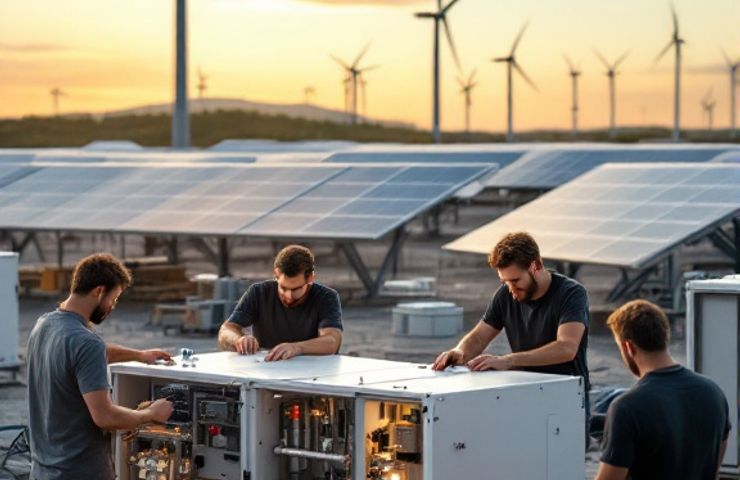
It's pretty exciting to see how the landscape of green hydrogen production is shifting. With nimble startups stepping up to the plate, we're witnessing a change that contrasts with the days when big oil and gas companies seemed to have a lock on the market. After a series of high-profile setbacks, like delays and restructurings by established players, these smaller firms are really making a name for themselves. They're coming in with innovative modular designs, focusing on specific applications, and finding creative ways to finance their projects.
Energy Giants Take a Step Back
In recent months, we've seen some of the biggest names in the energy sector back away from their lofty hydrogen ambitions. For instance, BP scrapped its green hydrogen initiative in Australia and cut back on plans in Teesside. Meanwhile, Air Products decided against moving forward with its Louisiana Clean Energy Complex. It seems like many of these big players are hitting the brakes and taking a more strategic approach, focusing on projects that have solid offtake agreements and clear return on investments. This is quite a change from the early days when everyone was banking on rapid cost drops in electrolyzer technology and booming demand for hydrogen. Now, it seems like the industry's entering a more disciplined phase—marked by a focus on sticking to budgets and prioritizing project viability over just size.
Challenges with Financing and Offtake
Getting bankable hydrogen deals off the ground can feel like climbing a mountain. Right now, the costs of producing low-emission hydrogen still often outpace those of fossil fuels in many regions, plus there aren’t enough offtake contracts out there. The IEA recently noted that outside of China, the costs for installed electrolyzers are hovering between USD 2,000 and USD 2,600 per kilowatt in 2024. This price differential raises eyebrows among lenders and industrial buyers. So, you’ve got new financing models popping up, like merchant supplies and blending power purchase agreements with hydrogen contracts. Some financiers are even trying out partial risk guarantees while demanding some equity investment from tech providers. For those startups, the key is figuring out how to create frameworks that make sense with these risk factors and attract investors looking for fresh opportunities.
Government Policies as a Catalyst in India
In the midst of all this, government backing can really help smaller companies find their footing. For example, in India, the National Green Hydrogen Mission, which got the green light in early 2023, has set aside ₹19,744 crore to help develop the ecosystem. This initiative is backed by MNRE and focuses on things like electrolyzer manufacturing, pilot hydrogen production projects, research and development, and even skill-building programs. There’s also talk of an innovative concept called Electrolyser as a Service. By making it easier to cover upfront costs, these kinds of incentives offer startups a chance to test out scalable ideas without needing deep pockets.
Diving Deeper into Electrolysis
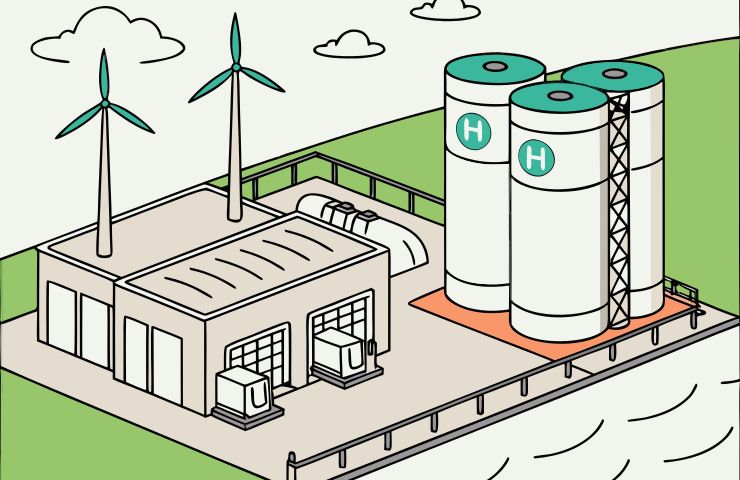
When it comes to green hydrogen production, electrolysis is the bedrock. Typically, renewable energy gets used to power an electrolyzer, which splits water into hydrogen and oxygen. While the chemistry behind it is well understood, the real-world application comes with hefty engineering, procurement, and construction costs—often accounting for more than half of the total investment. We see proton exchange membrane systems that react swiftly but rely on precious metals, while alkaline systems lean on older tech that’s cheaper but takes up more space. Then there are solid oxide electrolyzers—currently in piloting phases—that run at high temperatures and hold great potential for efficiency. Each pathway comes with its own set of pros and cons regarding materials, durability, and modularity, which opens up opportunities for startups to enhance membrane coatings, experiment with new catalysts, and innovate stack designs.
Startup Flexibility is Key
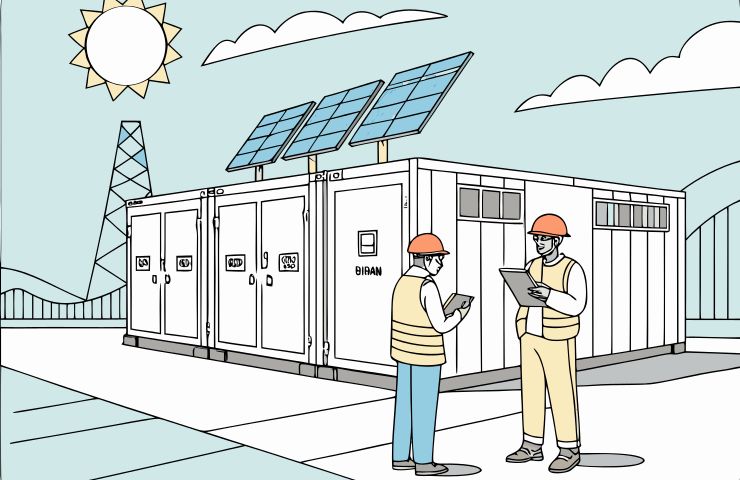
These emerging firms have a knack for honing in on specific technical or market challenges. We’ve got several early-stage businesses working on solutions like digital twins for monitoring electrolyzer performance, and others are offering containerized electrolyzer skids that can be set up in a matter of weeks. Some are even looking at integrated solar and electrolyzer models to slash grid expenses and land use. Moreover, fresh ideas for hydrogen storage—ranging from using chemical carriers to advanced compression systems—are now making their way into pilot testing. By moving quickly, these startups can pilot and refine their components and business models much faster than older, larger operators bogged down by extensive portfolios.
Challenges of Fragmentation and Risk
That being said, the growth of specialized startups isn’t without its hurdles. A fragmented supply chain can lead to increased engineering and procurement expenses, and venture-backed firms may find it tricky to secure follow-up funding if their early projects don’t hit the mark. Policymakers are in a tough spot—they need to support large-scale export schemes while also nurturing local hydrogen infrastructure and smaller industrial projects. If funding skews too much towards the big players, the nimble newcomers might get squeezed out. Yet if too many incentives pop up without coordination, it could lead to a disjointed deployment that stalls economies of scale.
The Necessity of Infrastructure
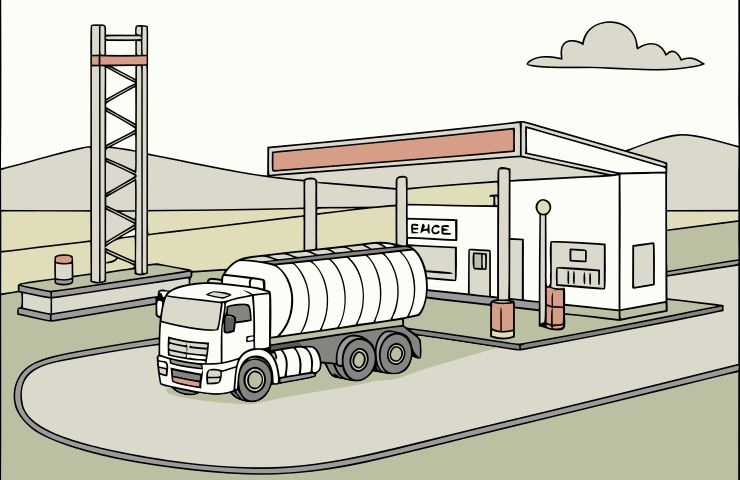
At the end of the day, the ones who succeed in the hydrogen game will be those who can weave together affordable renewable energy sources, reliable offtake agreements, and replicable project economics. This means building up robust hydrogen infrastructure, from pipelines and storage facilities to refueling stations and points where industries can tap into hydrogen. Startups that specialize in equipment and innovative financing strategies might be in a strong position, as long as they can pair up with renewable power producers, industrial clients, and financial institutions willing to take some risks. Aligning project size with actual demand can help forge a strong foundation for cross-sector decarbonization.
Ultimately, the journey from pilot projects to full-scale operations won’t hinge solely on the size of a company’s financial backing. Instead, it’s about being able to deliver affordable, dependable, and bankable green hydrogen at an industrial level. During this pivotal phase of the energy transition, it's likely that agile startups could play a crucial role in lighting the way toward a zero-emission hydrogen economy.