Green Hydrogen Production Accelerates with Plug Power’s New Georgia Liquid Hydrogen Plant
Plug Power’s new Georgia facility combines PEM electrolyzer and liquefaction technology to produce tens of tons per day of green hydrogen. The project drives local jobs, taps federal incentives, and supports industrial decarbonization with water-only fuel.
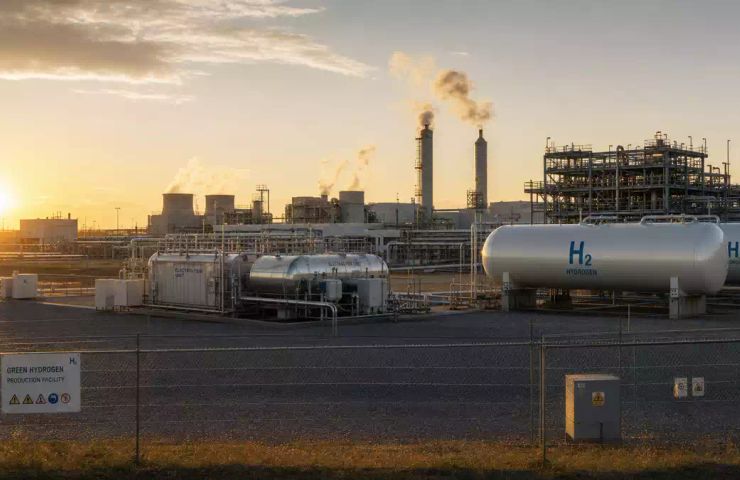
Plug Power has officially opened a huge liquid green hydrogen production facility in Georgia. This exciting development is all about ramping up clean hydrogen production to meet the rising demand in industrial sectors and transportation. It aligns perfectly with the nation's clean energy objectives. The plant takes a significant leap in green hydrogen production, merging PEM electrolyzer tech with advanced liquefaction methods. By bringing this facility online, Plug Power joins a growing list of green hydrogen plants, all contributing to a collective capacity of tens of tons per day. The Georgia facility is touted as one of the biggest liquid green hydrogen plants in the U.S., strategically located near key logistics routes to ensure efficient deliveries to industrial clients and fueling stations. Plus, Plug Power has lined up initial contracts with major logistics and industrial customers in the southeastern U.S., ensuring a steady demand right from the start. These long-term agreements give customers price predictability, helping them hit their decarbonization goals. And let’s not forget, this facility slots right into a network of over 250 hydrogen refueling stations and thousands of fuel cell units across North America.
Innovative Technology, Simple and Powerful
The concept is straightforward yet impactful: harness renewable electricity and water to generate hydrogen through a PEM electrolyzer, then chill and compress that hydrogen into liquid form for easy storage and transport. Essentially, the polymer electrolyte membrane stack employs electricity to split water into hydrogen and oxygen. The hydrogen's collected, sent through a cryogenic liquefaction unit, and stored at super low temperatures, which shrinks its volume by over 800 times compared to gas. One fantastic aspect of PEM electrolyzers is their ability to adjust quickly, syncing up with the varied renewable power supply. The modular design allows for megawatt-scale systems, showcasing a cutting-edge approach to hydrogen storage and logistics. This makes shipping fuel across long distances a breeze, with minimal losses during transport.
Solving Real-World Problems with Clean Fuel
Liquid green hydrogen is quickly becoming a game-changer, especially for material handling fleets. Plug Power’s fuel cell systems are powering warehouse forklifts, offering on-site refueling that only takes minutes, instead of the hours that traditional batteries require. Facility managers are enjoying uptime rates exceeding 95%, a major win compared to lengthy battery charging sessions. Hydrogen-powered tractor-trailers can cover long distances without the added weight of battery packs, shaking up the heavy-duty transport scene. For data centers and off-grid industries, liquid hydrogen can serve as a reliable, zero-emissions backup power source—tackling both reliability and air quality issues. By leveraging Georgia’s abundant solar and wind resources, this facility maximizes local renewable energy use, replacing diesel or grid-based systems with a clean, water-only byproduct fuel.
Local Impact: Jobs and Manufacturing
But it’s not just about the tech; the Georgia plant is also making a real difference in the local economy. During construction, it created a bunch of new jobs in engineering, equipment installation, and site management. Once up and running, the facility will need a skilled workforce for operations, maintenance, and logistics. Plug Power has even teamed up with nearby technical colleges to set up training programs in hydrogen technology, paving the way for career opportunities in the clean energy field. By sourcing critical components like compressors, storage tanks, and valves from U.S. manufacturers—including the nearby PEM electrolyzer gigafactory in Rochester, New York—this initiative takes a local-first approach. Made in Georgia and designed for America’s future, this strategy not only strengthens domestic supply chains but also cuts down lead times for essential equipment.
Aligned with Federal and State Incentives
The Georgia project is getting a boost from federal clean hydrogen tax credits as well as state grants, both of which help lower capital costs and improve the project's overall economics. By utilizing the Clean Hydrogen Production Tax Credit from recent clean energy legislation, Plug Power can lower the cost of green hydrogen, passing those savings along to their offtake partners. The plant is also benefitting from state incentives aimed at job creation and industrial decarbonization programs, underscoring the importance of public-private partnerships in developing vital hydrogen infrastructure. These financial incentives improve the project's viability, attracting co-investment, and speeding up deployment. As more areas consider launching hydrogen hubs, this facility serves as an excellent example of how coordinated regulatory support can pave the way for large-scale green hydrogen production.
Environmental Benefits and Future Outlook
Green hydrogen plays a vital role in moving toward a low-carbon economy, and this facility is right in line with efforts to cut emissions in hard-to-decarbonize sectors. By producing hydrogen from renewable electricity, the only waste product when it's used in fuel cells is water, which means zero direct CO₂ emissions at the point of use. In fact, the plant’s operations are projected to help avoid thousands of metric tons of carbon emissions each year. Plus, when hydrogen is distributed as a liquid, it enables long-distance transport to areas without local electrolysis capabilities, expanding its environmental benefits. With over 60,000 fuel cell units already deployed, Plug Power is integrating the Georgia plant into its broader operational network, contributing to a more sustainable energy landscape across various industries.
Looking Ahead: Scaling Clean Hydrogen Solutions
The success of the Georgia plant really highlights the commercial potential of integrated production, storage, and delivery of hydrogen. Plug Power has plans to replicate this model in other regions, selecting future locations based on their proximity to renewable energy sources, customer clusters, and transport networks. This connected strategy is all about establishing a reliable national hydrogen supply chain, reducing dependence on fossil fuels and enhancing energy security. As the sector evolves, we can expect technological advancements and economies of scale to further drive down costs. By continuing to tap into federal and state incentives while forming new clean hydrogen offtake agreements, Plug Power is poised for robust growth. Ultimately, this initiative showcases how collaboration, innovation, and practical solutions can truly reshape the energy landscape and make a positive impact on people's lives.
In a time when emissions targets are tightening and energy security is crucial, Plug Power’s liquid green hydrogen plant in Georgia stands as a significant milestone in green hydrogen production. It illustrates how renewable energy, cutting-edge technology, and local partnerships can come together to create sustainable solutions with lasting benefits.