Green Hydrogen Production and Hydrogen Infrastructure: Cadiz and RIC Energy's Solar-Backed Plan in the Mojave Desert
Cadiz and RIC Energy signed a planning-stage MOU to add on-site solar and assess hydrogen pipeline infrastructure at Cadiz Ranch, advancing an integrated green hydrogen production model.
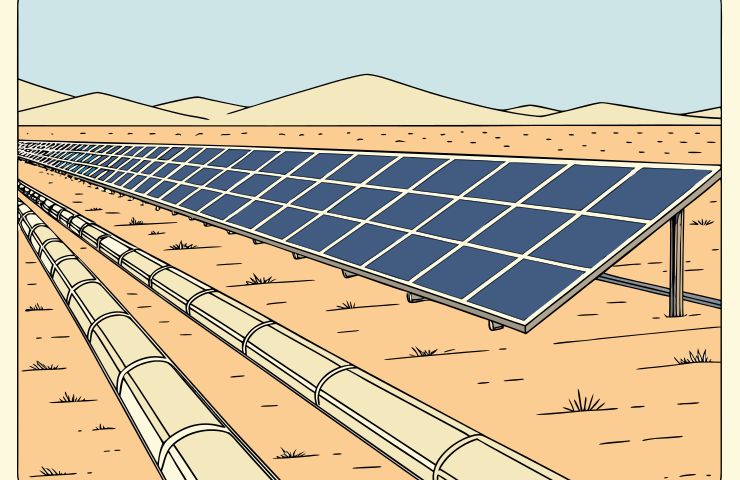
This month, Cadiz, Inc. and RIC Energy kicked off an exciting partnership with a memorandum of understanding aimed at expanding their clean energy efforts at Cadiz Ranch in California’s Mojave Desert. This agreement adds a layer of on-site solar generation to an existing green hydrogen project while also launching a feasibility study for dedicated hydrogen transportation infrastructure along Cadiz’s 220-mile Northern Pipeline corridor. Instead of diving straight into construction, this MOU lays out the groundwork for engineering, permitting, and commercial planning to create a comprehensive energy platform that includes solar power, water management, hydrogen production, and pipeline logistics.
Technical and Project Overview
So, what’s the plan? Well, on-site solar generation will be implemented by setting up photovoltaic panels across the sun-soaked terrain of Cadiz Ranch. RIC Energy will take the reins in designing facilities that can directly supply clean electricity to Cadiz’s agricultural pumps and any planned electrolyzers. The early stages will include studies on connecting to the grid, laying out the site, and potentially locking in a power purchase agreement to secure long-term energy pricing.
Initially, under a partnership established back in late 2024, the two companies envisioned a green hydrogen facility powered by solar-driven electrolysis. Essentially, electricity from those solar panels would operate an electrolyzer to split water—sourced from Cadiz’s groundwater bank—into hydrogen and oxygen. Should everything fall into place, this would qualify as green hydrogen production, since it’s powered by renewable energy and sourced from local water without involving fossil fuels.
The MOU also includes a feasibility assessment of the hydrogen transportation infrastructure. Given that Cadiz already has the Northern Pipeline corridor and other rights-of-way, this study will look into routes, permitting, and the construction of dedicated hydrogen pipelines or compression stations. It’s crucial to tackle the logistics of hydrogen transport because just producing it isn’t enough—you need a reliable delivery system to reach customers in nearby markets.
Strategic and Policy Context
For Cadiz, Inc., this partnership boosts the value of its expansive 45,000-acre Mojave Desert holdings and 220-mile pipeline network by layering in a low-carbon energy component to its water supply and agricultural businesses. The company has been managing the Mojave Groundwater Bank along with related infrastructure for years, and introducing solar-backed hydrogen could open new revenue streams beyond just water rights and farming.
As for RIC Energy, this deal solidifies its presence in the U.S. by transforming a previous green hydrogen collaboration into a full-fledged solar-to-hydrogen platform. With expertise in photovoltaic projects, energy storage, and biogas, RIC brings the technical know-how necessary for both power generation and electrolyzer design. This MOU highlights its commitment to making green hydrogen a key player in decarbonization, especially in sectors that are tough to electrify.
On the policy side, California is still pushing for zero-emission technologies as part of its climate goals. Hydrogen infrastructure is increasingly seen as essential for the decarbonization of industries and balancing renewable energy sources. By taking advantage of existing pipeline corridors, this project aims to simplify the permitting process, though it’s important to note that environmental and water usage concerns in desert ecosystems will remain a point of scrutiny.
What’s Next
The MOU has set off a number of workstreams: engineering and site studies for solar arrays, preliminary design work for the electrolyzer system, regulatory filings, environmental reviews, and negotiations on a power purchase agreement to support project financing. Meanwhile, parallel initiatives will explore pipeline routing, compression needs, and permit applications for transporting hydrogen.
While we’re still in the planning stage with this agreement, it’s laying down a framework for integrated renewable energy assets that bring together solar generation, hydrogen production, and hydrogen storage logistics. The success of this venture will hinge on securing offtake contracts, obtaining financing, and navigating the regulatory landscape in California. Ultimately, Cadiz Ranch could serve as a model for how to successfully combine water, land, and energy infrastructure to reduce obstacles for green hydrogen projects—even in remote desert locations.
About the Companies
Cadiz, Inc. is a U.S.-based company specializing in water solutions and natural resources, established in 1983. It owns around 45,000 acres of desert land and manages a pipeline network of 220 miles in San Bernardino County. Cadiz operates the Mojave Groundwater Bank, focusing on water supply, storage, conveyance, and agricultural development at Cadiz Ranch.
RIC Energy is a renewable energy developer based in Spain, with a global scope in photovoltaic projects, green hydrogen, energy storage, and biogas. The firm broke into the U.S. market in 2024 by collaborating with Cadiz to develop a major green hydrogen facility in California’s Mojave Desert.