Green Hydrogen Production Boosted by Westlake University’s Durable PAMQ Anion Exchange Membrane
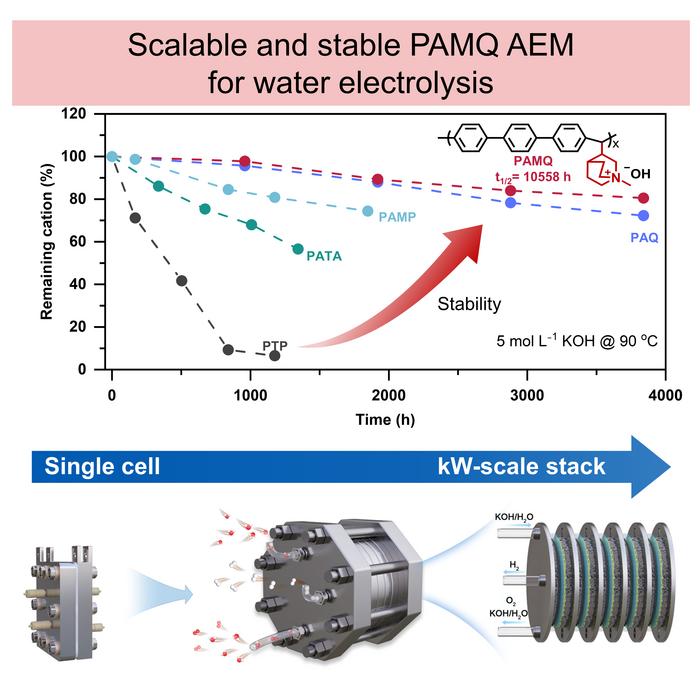
Westlake University researchers have developed a new PAMQ anion exchange membrane that cuts superacid use by 62.5%, endures 10,000-hour alkaline stability tests, and operates for over 2,500 hours at 1.0 A/cm² in non-PGM electrolyzers. Validated at the kilowatt scale, this work brings green hydrogen production methods closer to durable, scalable deployment.
As the world speeds up its efforts to reduce carbon emissions, green hydrogen production is really starting to take center stage, becoming more than just a trendy term. But here’s the kicker: we’re still grappling with how to make electrolyzers that are not only cost-effective but also robust. If you’ve ever been curious about blending high efficiency with budget-friendly materials, a recent breakthrough from Westlake University in Hangzhou might just pique your interest. Their team has introduced a new type of poly(aryl methylquinuclidinium) (PAMQ) anion exchange membrane that could revolutionize hydrogen production methods by making them more reliable and scalable.
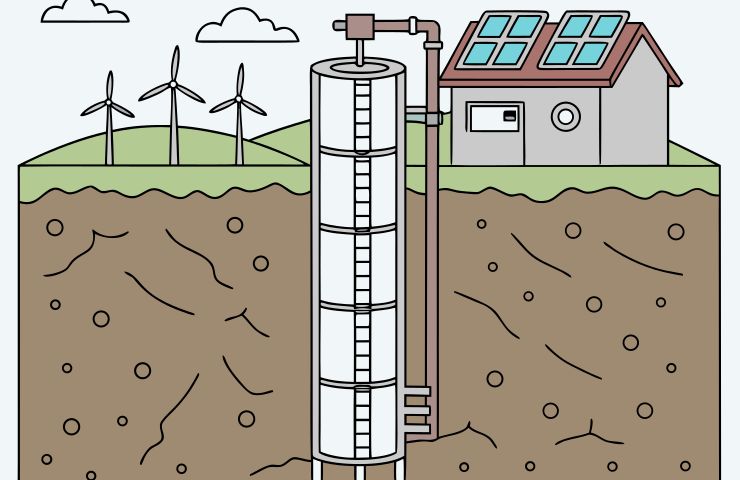
Since its establishment in 2018, Westlake University has carved out a niche for itself in the world of materials and energy research. Nestled in Zhejiang Province, its campus sits right next to solar and wind farms that contribute to a grid shifting away from fossil fuels. In this context, the university has turned its attention to AEM-WE technology, which could lead to cheaper catalysts and simpler setups than the traditional proton exchange membrane systems, all while keeping a compact design, high current density, and nimble response.
How Anion Exchange Membrane Electrolysis Works
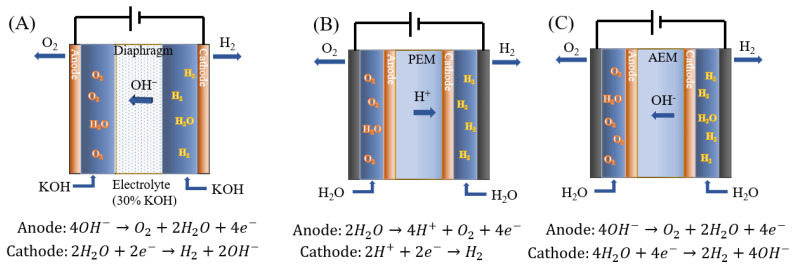
So, how does an anion exchange membrane water electrolyzer actually work? Well, at the cathode, water undergoes a hydrogen evolution reaction, producing hydrogen gas and hydroxide ions. The membrane tosses those OH⁻ ions over to the anode, where they release oxygen and electrons. Traditional alkaline electrolyzers use liquid KOH and metal diaphragms that can limit both current density and design flexibility. On the flip side, PEM systems depend on acidic membranes and pricey metal catalysts that really crank up the costs. AEM-WEs combine the low-cost perks of alkaline electrolysis with the compact form factor and high-pressure operation of PEM systems, offering a flexible hybrid solution.
Next-Generation Membrane Chemistry
The real game-changer here is how they designed this membrane at a molecular level. Rather than sticking with the usual ketone-based polymerization techniques, the researchers took a different route, crafting a poly(aryl) backbone decorated with methylquinuclidinium cationic sites using an aldehyde-mediated, superacid-catalyzed polyhydroxyalkylation method. By opting for aldehyde-functionalized quinuclidine monomers, they managed to cut down on trifluoromethanesulfonic acid—a highly corrosive superacid—by 62.5% compared to conventional methods. This reduction in materials doesn’t just lower costs; it also lessens hazards and waste during large-scale production. Plus, the process supports pilot-scale and roll-to-roll fabrication, meaning these membranes could be made similarly to everyday polymer films.
Exceptional Durability and Performance
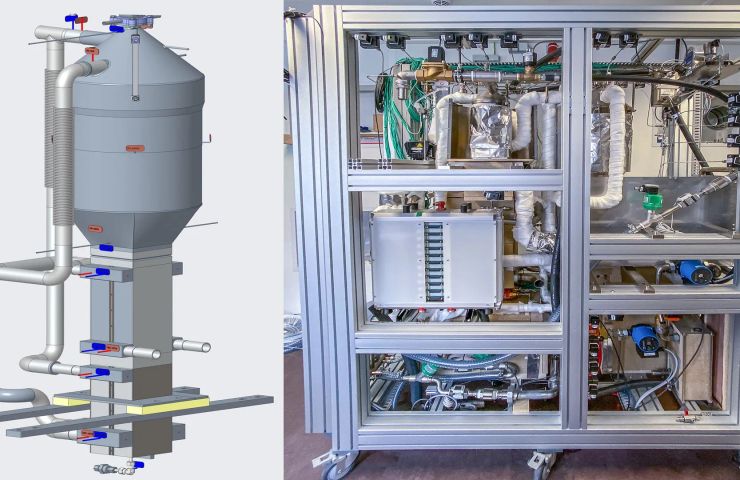
Durability has been a sticking point for AEMs, but PAMQ exceeds last year’s benchmarks. In rigorous alkaline stability tests—where they immersed membrane samples in 1 mol L⁻¹ KOH at 80 °C—the material showed almost no degradation after 10,000 hours. This level of durability is on par with, or even surpasses, leading commercial membranes in the same conditions. When they ran device-level trials, PAMQ performed reliably in a fully non-platinum-group-metal cell at 1.0 A cm⁻² and 80 °C, maintaining performance for over 2,500 hours without a hitch. And they didn’t stop there; the team put together a kilowatt-scale AEM-WE stack with PAMQ, proving that the membrane can also work in larger systems geared toward practical hydrogen production.
Regional Momentum in Green Hydrogen
Hangzhou is increasingly becoming a tech hotspot, home to various digital and manufacturing giants, while also embracing renewable energy. The province regularly boasts a GDP per capita above the national average, with local policies syncing with China’s aggressive decarbonization ambitions. Investments in solar and wind power are feeding into pilot hydrogen production initiatives, and there’s a growing domestic supply chain for membrane materials and electrolyzer components. By anchoring significant research like the PAMQ development at Westlake University, regional players are positioning themselves to take the lead in clean hydrogen news—and ultimately the market.
Strategic Implications for the Industry
Innovating membranes isn’t just a lab endeavor; it has tangible implications for the cost of hydrogen. Lower cell voltages at high current densities mean reduced electricity consumption per kilogram of H₂, while longer-lasting membranes allow capital costs to stretch over more operating hours. Analysts believe that enhancements in membrane technology are crucial to reaching cost targets of around $2 per kg. The PAMQ design, which uses non-precious metals, fluorine-free chemistries, and scalable production techniques, helps diversify hydrogen infrastructure options. This diversification could mitigate supply risks linked to platinum-group metals and shrink environmental footprints by removing PFAS materials.
Challenges and Next Steps
Despite all this promise, there are still a few bumps in the road before PAMQ makes its commercial debut. They’ll need independent field trials under various operating conditions to confirm its durability beyond controlled lab settings. Plus, integrating optimized catalysts, porous transport layers, and balance-of-plant systems will require fine-tuning to minimize any performance hiccups. Regulators and standards organizations will also need to update performance benchmarks for gas crossover limits, mechanical integrity under pressure, and safety protocols tailored to new membrane chemistries. Securing industry certification is just as crucial as hitting those technical milestones.
All things considered, the PAMQ innovation coming out of Westlake University is a solid example of how smart polymer chemistry can drive real progress in green hydrogen production. By cracking the code on corrosive superacids, enhancing alkaline stability, and demonstrating scalability, this team is closing the gap between academic research and real-world application. As global initiatives to decarbonize steel, chemicals, transportation, and energy roll on, breakthroughs like this will be key in ensuring hydrogen remains a vital player in our quest for a clean, cost-competitive energy future.