Green Hydrogen Production Gathers Pace at Moroccan Laâyoune Ammonia Project
ORNX advances pre-FEED engineering for a proposed green hydrogen-to-ammonia complex in Morocco’s Laâyoune region with KBR and USTDA support.
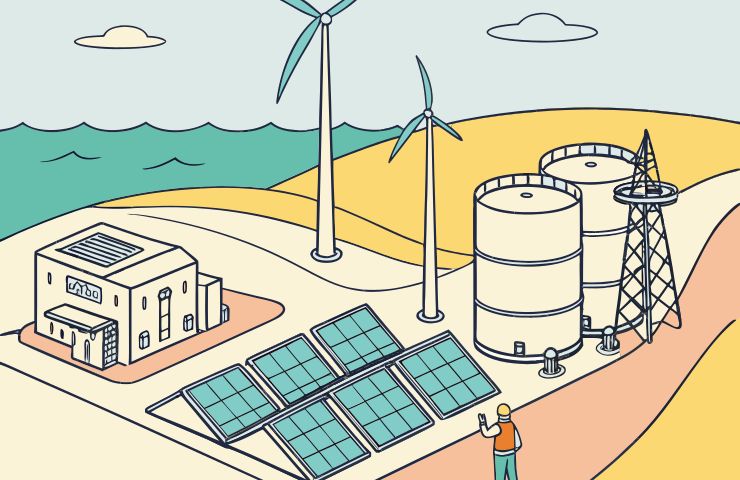
ORNX Green Hydrogen / ORNX Laayoune 1 SASU has secured a preliminary land-reservation agreement with Moroccan authorities for a proposed integrated green hydrogen and ammonia facility near Laâyoune in Western Sahara, according to ORNX Green Hydrogen / ORNX Laayoune 1 SASU. The project aims to combine wind and solar power, electrolytic hydrogen production and ammonia synthesis on a single site under Morocco’s renewable-hydrogen strategy, Reuters reports, though it remains in early engineering without a final investment decision.
A Bold Step on the Atlantic Coast
ORNX’s consortium signed an agreement to reserve several hundred hectares in the Laâyoune-Sakia El Hamra region, according to ORNX’s announcement. Laâyoune, which had about 217,732 inhabitants per Britannica, was once the capital of Spanish Sahara and is now administered by Morocco but remains on the United Nations list of non-self-governing territories, according to the United Nations and Britannica. The Morocco Offer programme, launched in 2024 by the Government of Morocco, provides incentives for renewable power, electrolysis, hydrogen derivatives and logistics, according to the Government of Morocco. Project material highlights the coastal site’s strong wind and solar resources, as well as existing port infrastructure and Atlantic shipping access for potential ammonia exports.
Power and Electrolysis in Focus
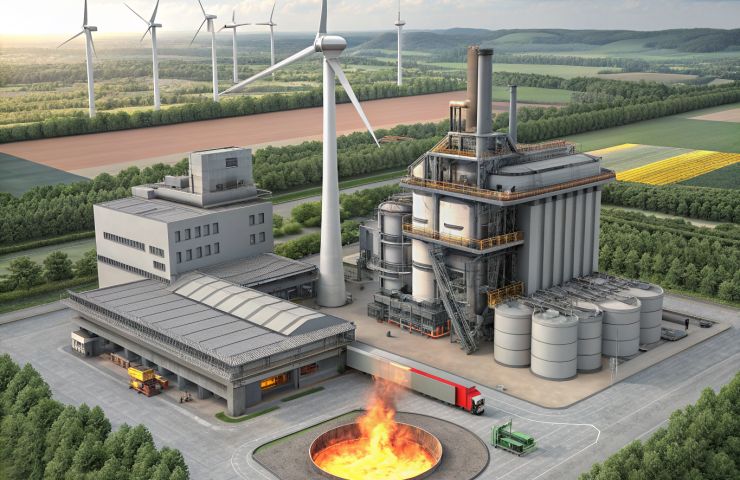
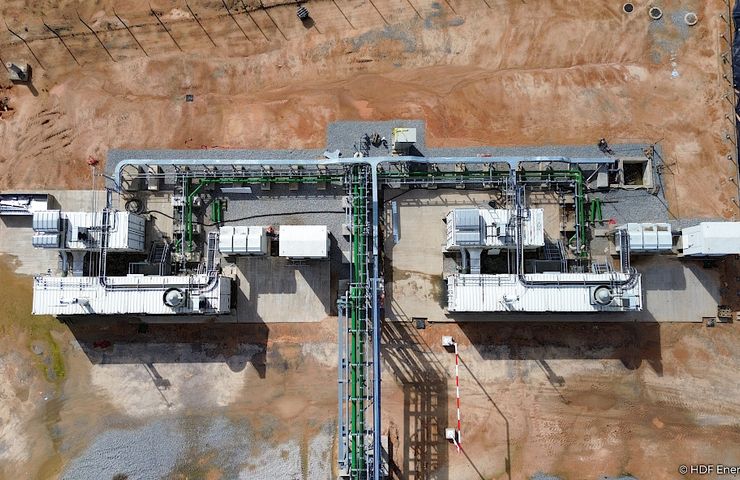
Project outlines indicate more than 2 GW of combined wind and photovoltaic solar capacity, according to ORNX project material, paired with approximately 900 MW of electrolyzer capacity, KBR says. If operated as planned, the electrolyzers may produce up to 100,000 tonnes of green hydrogen per year, according to ORNX project material. Managing the variability of wind and solar will require grid connections, demand-response strategies or energy-storage systems that are currently under evaluation, KBR notes. The hydrogen output would then feed an ammonia-synthesis train targeting roughly 560,000 tonnes per year, KBR adds. According to the IEA’s Global Hydrogen Review 2024, electrolyzer efficiency and capacity factors will be critical to meeting cost targets, and the consortium plans to assess multiple electrolyzer vendors, including Electric Hydrogen, as part of the pre-FEED work, KBR confirms.
Water Treatment and Environmental Considerations
Given the region’s aridity, project descriptions plan for seawater desalination to supply the electrolyzers and utilities, according to ORNX project material. The concept references reverse-osmosis membranes and brine discharge management, but final desalination capacity, intake screening and concentrate handling methods are still under study and will be subject to environmental permitting, ORNX says. Sahrawi rights groups and Western Sahara Resource Watch have called for transparent public disclosure of impact assessments, warning of potential effects on marine ecosystems, groundwater resources and local land use, the group states. ORNX indicates it will develop mitigation measures in line with Moroccan regulations and international best practices.
Pre-FEED and Early Engineering Backing
To define the plant’s technical configuration and estimate costs, ORNX has engaged KBR to lead pre-front-end engineering and design and to license ammonia-process technology, KBR reports. The pre-FEED scope covers process-flow diagrams, material-and-energy balances, utility requirements, site layouts and order-of-magnitude cost assessments. KBR’s multidisciplinary team includes GE Vernova for grid-connection and power-conversion work, Electric Hydrogen for electrolyzer-technology evaluation and Terabase Energy for solar-infrastructure design, according to KBR. Meanwhile, the U.S. Trade and Development Agency has awarded a grant of approximately $5.7 million to fund the early engineering study, Reuters reports, marking USTDA’s first private-sector project award in Western Sahara.
Strategic Partnerships and Policies
ORNX is a consortium of U.S.-based Ortus Climate Mitigation LLC and the Acciona-Nordex Green Hydrogen joint venture, according to Moroccan government materials. Ortus launched its Morocco platform in 2022 and has developed onshore wind, solar and storage projects in the U.S., Italy and the U.K., competition-authority filings show. Acciona has advanced green-hydrogen activities internationally, while Nordex brings wind-turbine manufacturing expertise, each company states. This collaboration sits within Morocco’s “Morocco Offer” green hydrogen programme, designed to attract large-scale investment in renewables-to-hydrogen value chains, according to the Government of Morocco. A steering committee selected ORNX among five investors for six southern-region projects with an aggregate target of nearly 320 billion dirhams.
Contested Territory, Shared Ambitions
The plant’s proposed location in Western Sahara adds complexity: Morocco administers the region as its southern provinces, while the United Nations continues its decolonization process, according to the United Nations. Sahrawi advocacy groups and Western Sahara Resource Watch argue that resource projects in the territory require free, prior and informed consent and equitable benefit-sharing, the group states. Environmental and land-rights concerns have been raised over large-scale renewables and desalination in the desert ecosystem, according to Western Sahara Resource Watch. ORNX and Moroccan officials, by contrast, emphasize the project’s potential to diversify exports, attract foreign capital and support an emerging ammonia industry in Morocco, ORNX project material indicates.
Looking Ahead: Risks and Potential
The pre-FEED phase is intended to confirm the project’s technical integration, refine capital and operating cost estimates and map out permitting and financing pathways, according to the USTDA grant summary. Media outlets report an indicative project value near $4.5 billion, though this remains a conceptual estimate rather than a committed budget. Developers note that final vendor selections, water-treatment design, logistics for ammonia storage and export, securing offtake contracts and environmental approvals are critical milestones yet to be achieved, ORNX project material warns. Financial close may depend on support from export-credit agencies, development banks or private investors, and the outcome of pre-FEED will influence whether ORNX proceeds to a final investment decision.
Final Perspective
If the consortium advances beyond the study phase, the Laâyoune complex could become one of the world’s largest green hydrogen-to-ammonia projects, Reuters analysis suggests. The initiative underscores the intersection of renewable-energy ambition, large-scale electrolytic processing and the geopolitical sensitivities of Western Sahara. Stakeholders will watch for binding finance commitments, completed environmental-impact assessments and signed export agreements, or for any shifts in project scope driven by technical, regulatory or market factors, market analysts say. According to IRENA’s Enabling Green Hydrogen Development: North Africa report, projects of this scale may inform regional and global hydrogen strategies if they can secure affordable power and finance.