Green Hydrogen Production Hub Emerges in Oulu with ABO Energy’s 600 MW Electrolyser
German developer ABO Energy and the City of Oulu have agreed on zoning to host a 600 MW green hydrogen production plant in Pyyryväinen, featuring e-fuel synthesis and district heating integration.
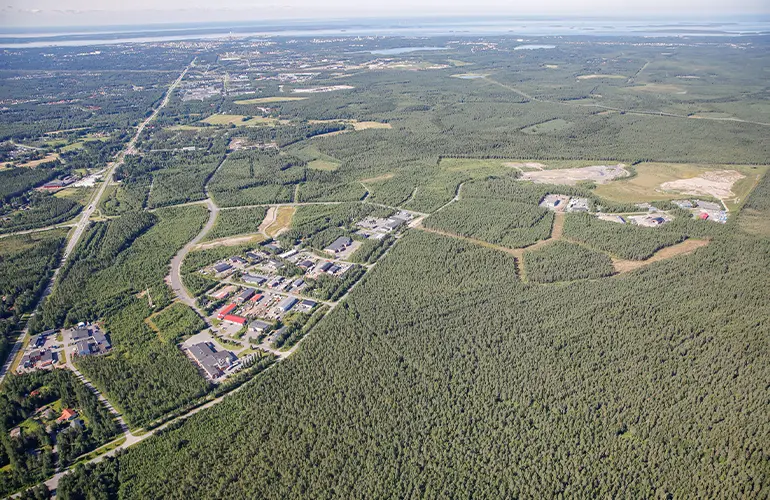
The City of Oulu and ABO Energy GmbH & Co. KGaA have teamed up to establish zoning measures that will allow for a large-scale hydrogen production facility in the Pyyryväinen industrial area. This ambitious project is set to feature an electrolyser with a whopping capacity of up to 600 MW, which would put Oulu on the map as one of the key players in Finland’s hydrogen infrastructure landscape. The plans don't just stop at hydrogen production; they also aim to produce on-site e-methanol and sustainable aviation fuel (e-SAF), putting the residual heat to good use by feeding it into the local district heating system.
This initiative is quite the collaboration, teaming up a seasoned German developer experienced in wind and solar energy with a Finnish city that’s committed to achieving carbon neutrality by 2035. It’s part of a bigger picture in the Pyyryväinen area, which already boasts projects like Verso Energy’s e-SAF plant and Hy2gen’s e-methanol site at Vihreäsaari. All these efforts really reinforce Oulu's position in the hydrogen energy news and hydrogen infrastructure scene. With zoning approvals in hand and feasibility studies kicking off, we’re looking at essential next steps like securing grid connections, CO₂ sourcing agreements, and investment deals to help secure funding.
Let’s Dive into the Tech: Electrolysis and Power-to-X
So, what’s the tech behind the Pyyryväinen plant? It’s all about large-scale water electrolysis. This involves using an industrial electrolyser, likely based on alkaline or PEM technology, where an electric current splits water into hydrogen (H₂) and oxygen (O₂). Following Faraday's law, the more electric current you throw at this, the more hydrogen you get. By bundling together hundreds of these modules, you reach that ambitious 600 MW goal. ABO Energy plans to harness power for this process from its pipeline of onshore wind farms in Finland, which means they’ll be using low-carbon electricity—a win-win!
But it's not just about making hydrogen. The design also throws in Power-to-X synthetic fuels. By using captured biogenic CO₂ in catalytic reactors, they can produce e-methanol, or they might even go down the Fischer-Tropsch path to create e-SAF. Sure, these processes require high pressures and careful temperature controls, along with some advanced catalysts, but they’re critical for decarbonizing the maritime and aviation sectors, which are pretty tough to electrify directly.
One interesting aspect is that the electrolysis and synthesis operations will generate a fair bit of waste heat. But don’t worry; they’ve got that covered with heat exchangers and hot-water pipelines. This means they can supply about 10% to 30% of Oulu’s district heating needs, cutting down on fossil gas usage. It’s a nifty way to boost energy efficiency while aligning with Finland’s focus on sector coupling.
Strategic and Economic Insights
For ABO Energy, diving into the green hydrogen and e-fuel markets makes total sense as they expand from their traditional renewable focus. They’re already developing more than 30 GW in renewables and 20 GW in hydrogen or hybrid projects. Getting the Pyyryväinen zoning sorted is a huge step because it tackles one of the big early hurdles in hydrogen project financing: land-use certainty. And with that certainty, Oulu can enhance its attractiveness to billion-euro investments, paving the way for hundreds of new jobs in engineering, construction, and operations.
On a national scale, Finland is looking to produce at least 10% of the EU's emissions-free hydrogen by 2030. Projects like Pyyryväinen, along with previous plants like the Harjavalta electrolysis facility, will help push Finnish electrolysis capacity to surpass 7 GW in the next decade. Plus, infrastructure projects like the Nordic Hydrogen Route pipeline, which will run through Oulu, promise exciting export opportunities to Sweden and other parts of Europe.
Local and Regional Significance
Pyyryväinen is only ten kilometers from Oulu’s center and spans a sprawling 800-hectare industrial zone with chemical-industry zoning and port access. With Northern Ostrobothnia's low population density and abundant wind resources, it’s a prime spot for hydrogen production and hydrogen storage. The port of Oulu is perfectly equipped for bulk shipping of e-methanol or ammonia, and local district heating networks can conveniently use the waste heat generated.
Oulu’s municipal departments, from urban planning to business development, have been on the ball, fast-tracking zoning changes and planning reservations. This integrated approach fits well with the region’s Hydrogen Economy Roadmap, which aims to create clusters of electrolysis and P2X plants in Pyyryväinen, Laanila, and Vihreäsaari, all linked up with pipelines and backed by EU funding from Finland’s Recovery and Resilience Plan.
Comparing the Industry and What Lies Ahead
When you stack it up against mid-sized hydrogen projects in other parts of Finland (think 100–200 MW), the ABO Energy facility is shaping up to be one of the largest green hydrogen hubs in the country. With projects like Verso Energy’s Oritkari e-SAF plant and Oulun Energia’s Laanila P2X site, it's clear there’s a growing trend towards multi-vector plants that combine H₂, heat, and fuels. The timing of grid upgrades, contracts for CO₂ supply, and offtake agreements will be crucial for launching the first phase, which sources suggest could go live by the mid-2030s.
Of course, there are still hurdles to overcome, like making efficient use of limited renewable electricity, navigating potential impacts on peatlands and forests, and dealing with the hefty costs of large electrolysis systems. But Oulu’s strategy—blending local government support, clustered infrastructure, and sector coupling—gives a clear picture of how hydrogen infrastructure and industrial decarbonization can evolve together.
As Finland races towards its zero-emission goals, the Pyyryväinen project could set a precedent for large-scale green hydrogen and clean ammonia production in the Nordics. The key will be locking in long-term offtake agreements, effectively integrating heat and power, and navigating the ever-evolving regulatory landscape. If all goes to plan, Oulu might just become a model for other regions aiming to electrify their industrial sectors with hydrogen.