Green Hydrogen Production Scales Up with First 5 MW Polymer-Cell Electrolyzer Assembled in France
John Cockerill Hydrogen rolled out its first 5 MW polymer-cell alkaline electrolyzer in France, marking a leap toward industrial-scale green hydrogen production and domestic manufacturing.
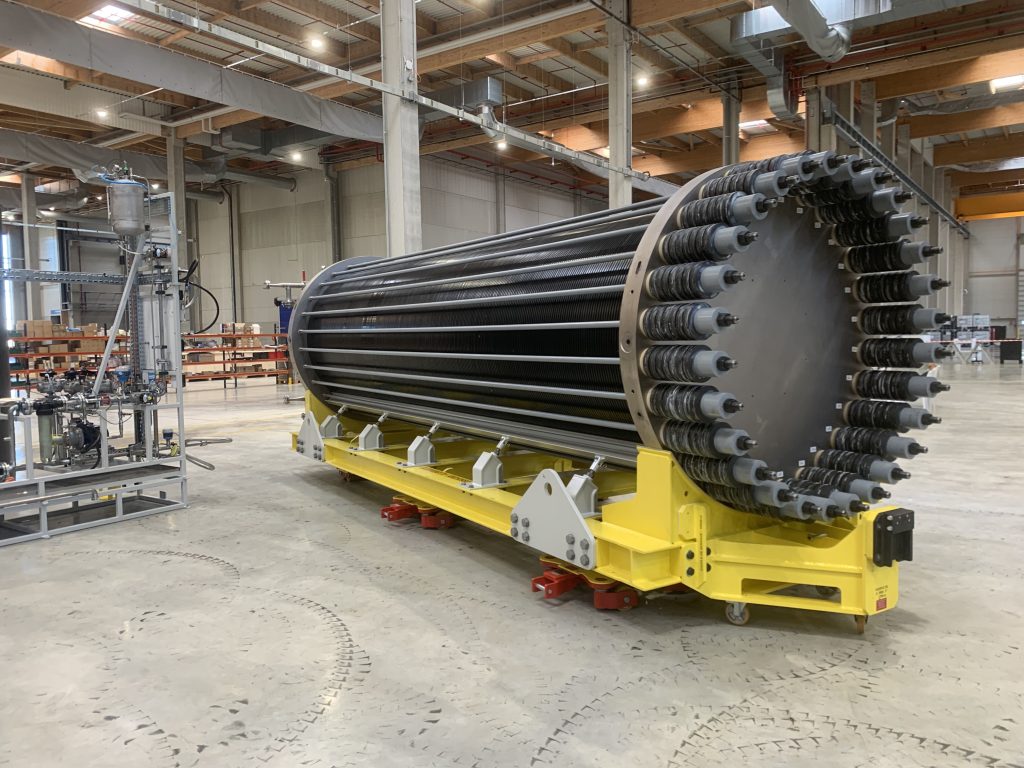
This month, we hit a significant milestone in the world of green hydrogen production as John Cockerill Hydrogen unveiled its very first 5 MW pressurized alkaline electrolyzer stack, which has been completely manufactured and assembled right in France. This impressive seven-meter-long, 30-tonne polymer-cell unit was built in the former McPhy Energy gigafactory located at the Aéroparc de Fontaine near Belfort. It marks the beginning of a new era for large-scale electrolysis hardware aimed at decarbonizing heavy industries.
From Asset Transfer to Assembly Line
After acquiring the Belfort assets from McPhy Energy in mid-2025, John Cockerill Hydrogen has transformed the sprawling 22,000 m2 gigafactory at Foussemagne into an automated production hub for its cutting-edge pressurized alkaline stacks. This transition, which got the nod from the Tribunal de commerce de Belfort, didn’t just save the facility and its crucial intellectual property but also kept around 50 skilled jobs in place. This move is a big win for the Territoire de Belfort, a region keen to redefine its role in the low-carbon equipment supply chain.
Earlier funding rounds had funneled about €29 million in subsidies into McPhy’s original gigafactory, with the possibility of an additional €50 million from France’s industrial and hydrogen support programs. The French ministry of industry has highlighted electrolyzer manufacturing as vital for national energy sovereignty, and that first polymer-cell stack is currently undergoing tests in Germany before it officially hits the market later this year.
Why Polymer-Cell Technology Matters
So, what’s the big deal with polymer-cell technology? Well, traditional alkaline electrolyzers use metallic bipolar plates that can corrode over time and cause a host of issues. The new design replaces those plates with polymer-based frames, which not only reduces corrosion sensitivity but also extends the lifecycle of the stack and cuts manufacturing costs by around 10–15%. Operating under higher pressure, each 5 MW unit is capable of producing approximately 1,000 Nm3 of hydrogen per hour—around two tonnes a day! That kind of output is perfect for refineries or petrochemical complexes that need a steady, large-scale supply of hydrogen.
When this stack is powered by renewable or low-carbon electricity, it effectively splits water into hydrogen and oxygen without generating any direct CO2 emissions. This feeds into a growing network of hydrogen infrastructure across Europe. Plus, the modular design makes it a breeze to integrate with other systems like compression, storage, and control, allowing end users to set up large-scale hydrogen production plants with ease.
Strategic and Economic Implications
Transforming the old McPhy gigafactory into a high-output production line emphasizes a few strategic goals:
Looking to the future, the company has set its sights on producing one 5 MW stack daily in fully automated mode—about 200 units a year, which amounts to a whopping 1 GW of annual electrolysis capacity. While these aspirations are more about future potential than current output, they signal a noteworthy shift from pilot projects to industrial-scale production. For investors and policymakers, an impressive ramp-up in Belfort would confirm France’s strategy of supporting hydrogen manufacturing through public-private partnerships and subsidies.
Repositioning a Regional Industrial Hub
The Territoire de Belfort, traditionally known for turbines and power equipment, is banking on a new hydrogen chapter. By retaining McPhy’s skilled workforce and pouring in fresh investments, this region can pivot its existing industrial networks towards hydrogen production and related services—like installation, maintenance, and refueling infrastructure. This aligns perfectly with broader ambitions across Europe to decarbonize heavy industry and establish robust supply chains for clean energy technologies.
Looking Ahead
Now that the first polymer-cell electrolyzer is ready, the key questions are whether the Belfort gigafactory can meet its automation targets and how these new stacks will perform in real-world environments. Successful outcomes not only hinge on the economic viability of large alkaline systems but could also lead to more cost reductions. This, in turn, might unlock opportunities in various sectors—think aviation fuels to green chemicals—relying on accessible, competitively priced green hydrogen.
As this unit transitions from testing to fulfilling commercial orders by the close of the year, all eyes will be on France’s latest industrial gamble: Can polymer-cell alkaline electrolysis elevate Europe in the rapidly evolving global market?