Green Hydrogen Project Secures 50,000 Hectares for Arequipa Energy Park
Arequipa's regional government has secured 50,000 hectares to build a carbon-neutral green hydrogen and renewables cluster, leveraging solar and wind resources.
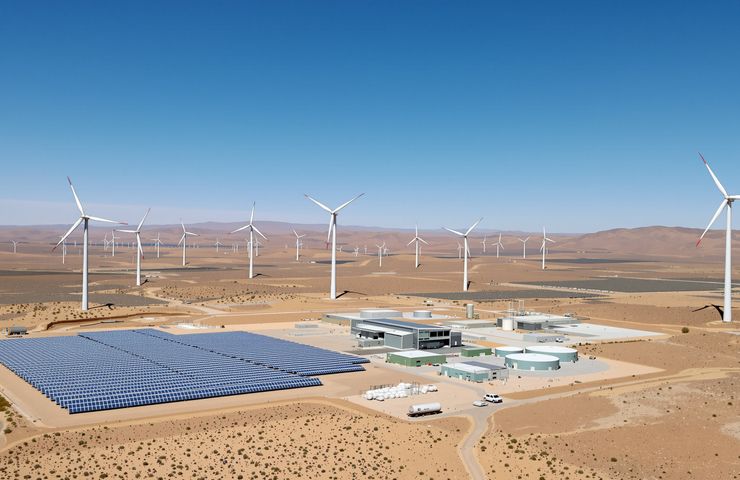
This month, the Gobierno Regional de Arequipa revealed they’ve locked in 50,000 hectares of volcanic highlands in southern Peru to create a bold carbon-neutral cluster for green hydrogen and renewable energy production. It’s a clear nod to global decarbonization goals and Peru’s own drive to shake up its energy mix under recent national policies. By tapping into Arequipa’s endless sunshine and steady winds, local leaders are aiming to build a clean-fuel powerhouse that cuts back on fossil fuels, boosts energy security, and delivers fresher air for communities near and far.
Project Announcement and Goals
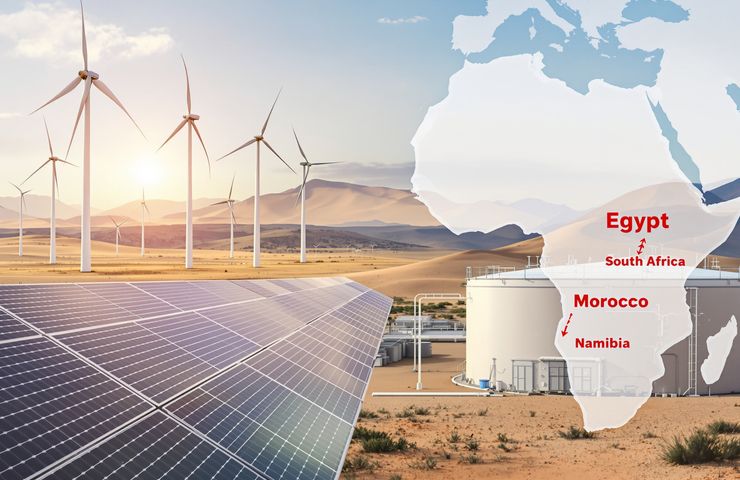
Dubbed the Parque Energético con Hidrógeno Verde y Renovables, this initiative is all about massive solar fields, sleek wind parks, and top-tier electrolyzers that split water into hydrogen and oxygen with zero carbon emissions. Picture gently sloping plateaus framed by reliable wind corridors—prime real estate for gigawatt-scale photovoltaic arrays and turbines. While officials are keeping exact capacity targets and investment figures close to the vest, they stress the plan will roll out in bite-sized phases: pilot modules first, to prove the tech works, then rapid scale-up to meet hefty industrial demand.
How Green Hydrogen Technology Works
At its heart, green hydrogen is produced through electrolysis: electricity from solar panels and wind turbines is used to break water molecules apart. Inside an electrolyzer, electrodes and a conductive medium do the heavy lifting—hydrogen bubbles collect at one end, oxygen at the other. When renewables generate more juice than the grid needs, that surplus power can be rerouted into electrolysis, smoothing out those ups and downs. The hydrogen that results can be compressed or liquefied, safely stored, and shipped by pipeline or truck. Later, you can fire it up in fuel cells or burn it cleanly in industrial processes—no nasty byproducts, just plain water vapor.
Practical Applications and Environmental Benefits
This cluster isn’t just a showpiece—it’s built to tackle hard-to-decarbonize sectors head-on. Think mining sites that now rely on diesel generators, fleets of buses and heavy trucks swapping out fossil fuels for hydrogen, or blending green hydrogen into city gas networks to slash carbon intensity. By replacing traditional fuels, the project could dodge tons of CO₂ emissions each year and drastically improve air quality in Arequipa and beyond. It’s a real-world answer to reducing greenhouse gases, strengthening local power resilience, and honoring Peru’s climate commitments.
Driving Local Economic Growth
This effort is truly “Made in Arequipa, Made for Peru’s Future.” By leaning on homegrown expertise in energy, construction, and logistics, the project expects to create hundreds of direct jobs—from engineers designing solar and wind farms to specialist operators running electrolyzer plants—and thousands more in supporting roles. Local SMEs in steel fabrication, electrical maintenance, and transport services stand to see a boom. Training centers can partner up to build the skilled workforce needed. And once it’s up and running, a network of hydrogen refueling stations and related services will spring to life.
Historical Context and Regional Strengths
Known as the “White City” thanks to its colonial buildings of volcanic sillar stone, Arequipa has been a hub for mining and agriculture since 1540. Today, its high-altitude plateaus mean intense solar radiation, and its mountain passes channel consistent winds—ideal for renewable energy. There’s even geothermal potential nearby that could one day feed round-the-clock power for nonstop electrolysis. In short, Arequipa’s rich heritage and natural gifts are dovetailing perfectly with cutting-edge clean energy tech.
Key Considerations and Next Steps
Securing that vast land is just the opening act. The real work lies ahead: managing water use in this semi-arid zone with hydrological studies, desalination and recycling pilots; mapping out grid upgrades to handle large-scale solar and wind input; and teaming up with national regulators and private investors to nail down policies and funding models. Plus, transparent community consultations will ensure everyone’s voices are heard on land use and social impacts.
Looking Ahead
With 50,000 hectares on the table, Arequipa is staking its claim as a pioneer in Peru’s green hydrogen scene. Stakeholders are already plotting links to industrial hubs in Lima and beyond, as well as export routes through Pacific ports. This isn’t just about building turbines and tanks—it’s about crafting a repeatable model of subnational leadership in clean energy. By tackling energy security, emissions, and economic diversification all at once, Arequipa’s green hydrogen park could become the blueprint for long-term prosperity and environmental stewardship in South America.
In a nutshell, the Gobierno Regional de Arequipa has made a gutsy bet on green hydrogen and renewable energy. By locking down 50,000 hectares for a state-of-the-art carbon-neutral cluster, Arequipa is not just advancing environmental goals but also showcasing how regional leadership can drive Peru clean energy innovation. As feasibility studies wrap up and the first pilot modules gear up for commissioning, eyes across the continent will be watching—ready to copy a winning play in the race to a cleaner future.