Ballard Powers 15 MW Off-Grid Order with FCmove-HD+ Modules
Ballard Power Systems has won a 15 MW repeat order for its FCmove-HD+ hydrogen fuel-cell modules to deliver silent, zero-emission off-grid power for live events and critical infrastructure, with deliveries starting next year.
This month, Ballard Power Systems made a big splash by rolling out a 15 MW order for their stationary hydrogen fuel-cell systems, specifically aimed at renewable off-grid setups. They’re delivering a package of 150 of their 100 kW FCmove-HD+ modules, and you can expect those to hit the ground running in the second half of next year. This repeat order from an anonymous off-grid power generation customer really highlights just how much traction these modular clean hydrogen backup solutions are gaining in the market.
Technical Snapshot
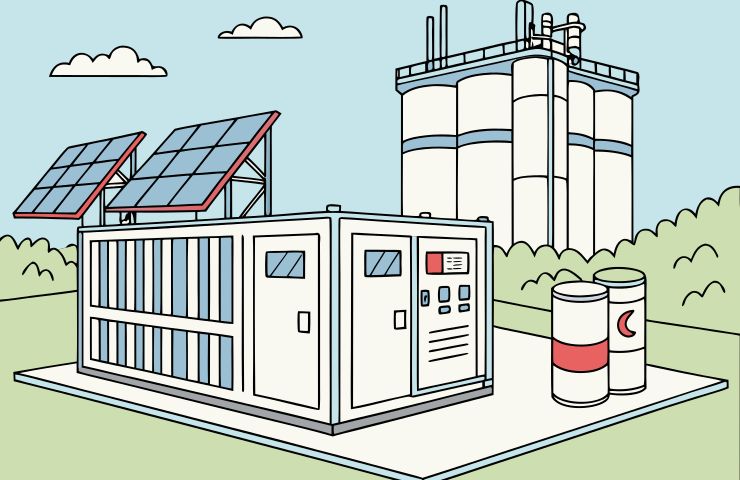
At the core of this exciting project are proton exchange membrane (PEM) fuel cells. These clever little devices convert hydrogen into electricity through an electrochemical reaction, and the best part? They only emit water and heat—how’s that for green? Each FCmove-HD+ module pumps out 100 kW of power, and when 150 of them are combined, that’s where you get to that impressive 15 MW output. These modules seamlessly integrate with hydrogen supply systems and power management electronics to ensure everything runs smoothly, even in remote locations.
So, how do hydrogen fuel cells work? In a typical PEM cell, hydrogen is introduced at the anode, where it splits into protons and electrons. The protons move through a membrane, while the electrons make their way through an external circuit, creating current. At the other end, the cathode, you’ll find oxygen joining forces with those protons and electrons to produce water, wrapping up a zero-emission cycle.
Off-Grid Use Cases in Practice
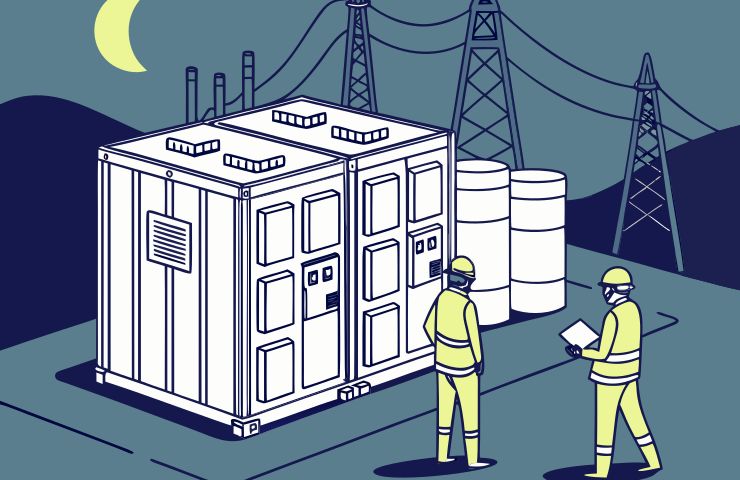
While diesel generators have been the go-to for off-grid power for some time, hydrogen fuel-cell systems are stepping in where emissions, noise, and refueling logistics become real deal-breakers. At live events, these modules can be transported by truck and linked together to support everything from stage lighting to sound systems without the hassle of noisy diesel backups. On the flip side, crucial infrastructure—like telecom towers or medical facilities—benefits from the speedy response and reliability of PEM fuel cells during grid outages or when environmental regulations kick in.
Strategic Implications
This contract is a smart move for Ballard as they branch out their revenue streams beyond just the transportation sector. Hydrogen fuel cells have long been touted as low-emission alternatives to diesel generators, but uptake hasn’t always been smooth sailing due to hydrogen supply issues and costs. However, seeing a repeat order for 15 MW from the same customer, especially after a similar order in 2024, really signals that commercial operators are starting to appreciate the zero-emission benefits, efficient operation, and rapid deployment that fuel cells offer.
Economic Considerations
Now, let’s talk dollars and cents. While the initial costs for hydrogen fuel-cell systems tend to be higher than traditional generators, operators often look at the total cost of ownership. That includes factoring in fuel logistics, maintenance, and potential carbon penalties. Generally, fuel cells have fewer moving parts compared to internal combustion engines, meaning they require less routine service. Plus, in areas where carbon pricing or emissions regulations impact diesel, the difference in cost shrinks even more. Pairing these systems with on-site hydrogen storage or new electrolyzer tech could also offer long-term fuel price predictability.
Diversification and Market Signal
Even though hydrogen infrastructure and logistics have their fair share of challenges, big off-grid orders like this one might just push integrators and users to rethink fuel-cell backup solutions for temporary or even primary power needs. A 15 MW system has the power to support large events, remote industrial sites, or critical installations that need to operate independently from the grid. For Ballard, each successful delivery also brings valuable operational data and potential for follow-up sales, reinforcing confidence in the stationary segment and improving visibility for investors.
Ballard’s Role in Hydrogen Fuel Cell Technology
Based out of Canada, Ballard Power Systems has spent years designing and producing PEM fuel cells for both transportation and stationary applications. Their FCmove product line serves buses, trucks, marine vehicles, and increasingly, fixed power projects. While battery electric solutions are making headway, fuel cells still hold their ground in situations where long runtimes, quick refueling, or extreme conditions make hydrogen a strong contender.
Ballard has R&D centers and production facilities spread across North America, Europe, and Asia, enabling them to make the most of their transportation-grade modules in stationary projects. By adapting their bus and truck fuel-cell technology for off-grid energy, they can ramp up production while streamlining maintenance across various market segments.
Historical Context
Fuel cells have been on the radar as clean energy options since the 1960s, but their widespread use has been slowed down by high costs, limited hydrogen sources, and gaps in infrastructure. Recently, as electrolyzer prices drop and the push for green hydrogen production gains momentum, interest is being revitalized. Many sectors—from live event setups to telecommunications and backup power for data centers—are starting to test modular fuel cells as a cleaner alternative to diesel generators.
Environmental and Regulatory Considerations
Projects replacing diesel generators can significantly cut local pollution and noise levels, which is a big deal in urban areas or places where noise matters. But let’s not forget, the environmental benefits depend heavily on how the hydrogen is sourced. If it’s produced through electrolysis using renewable power, the emissions are drastically reduced; if it’s from steam methane reforming without carbon capture, those benefits shrink. Regulatory aspects around hydrogen safety, storage, and transport can vary significantly, and navigating these permits can darken project timelines and add costs.
Challenges and Outlook
Despite the rising order figures, some challenges remain. Off-grid buyers frequently compare fuel cells to batteries for energy storage and solar or diesel hybrids. Capital costs, maintenance requirements, and hydrogen refueling logistics can influence the economics. However, for scenarios needing long runtimes or high power, batteries may fall short. Should green hydrogen supply chains expand and electrolyzer capacities grow, we could see the total cost of ownership for fuel-cell systems come closer to matching that of traditional generators.
What’s Next
For Ballard, the next few months of deliveries are going to be crucial. Performance data, uptime metrics, and operational feedback will help shape future advancements and sales strategies. The wider industry will be keeping a close eye on whether this 15 MW order leads to more similar deals or if it remains an isolated case. Ultimately, successful deployments could drive progress in hydrogen infrastructure investments. Still, the sector will need broader policy backing, solid offtake agreements, and reliable supply chains to truly scale the clean hydrogen economy.