Hydrogen Fuel Cell News: Eugene Securities Upgrades Doosan Fuel Cell to Buy
Eugene Investment & Securities elevated Doosan Fuel Cell to a 'Buy' rating, signaling optimism on its PAFC and SOFC offerings amid supportive hydrogen infrastructure policies and rising demand for low-emission backup power.
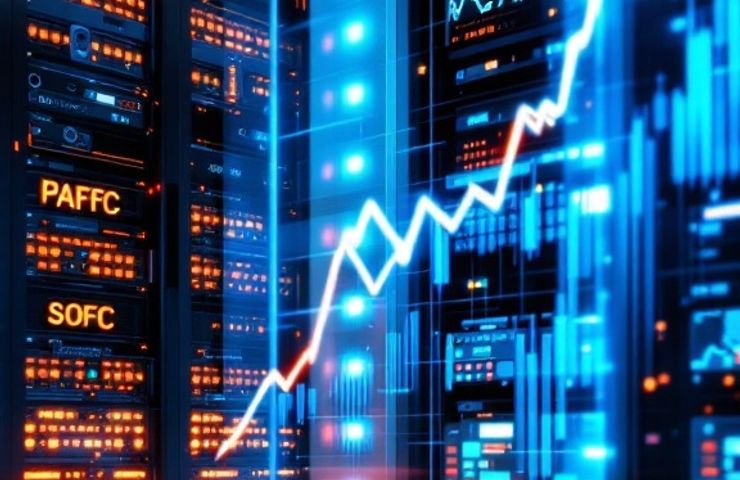
In recent news from the South Korean stock market, Eugene Investment & Securities has made a pretty significant move by upgrading their recommendation for Doosan Fuel Cell. They’ve switched from a 'Hold' to a 'Buy', and even bumped up the target price, which really shows that there's some solid investor confidence brewing around this company. Doosan specializes in stationary fuel cells, focusing on phosphoric acid and solid oxide systems designed for distributed power generation—essentially, they’re in the business of making clean energy more accessible. This shake-up comes as folks are getting more interested in hydrogen infrastructure and ensuring data centers are resilient, especially as companies and governments look for low-emission backup options.
- Analyst Sentiment: The leap to a 'Buy' rating signals a more appealing risk-reward situation for Doosan Fuel Cell shares.
- Policy Tailwinds: The consistent backing from South Korea’s hydrogen policy is a major boost for stationary fuel cells.
- Technology Mix: They're putting a spotlight on PAFC and SOFC systems, which gives them the versatility for various on-site power needs.
- Financial Impact: An upgrade in ratings can ramp up trading volumes and boost visibility in the market.
- Market Signal: This change might just sway how other companies in the hydrogen fuel cell sector are viewed.
Market Context
South Korea has been making strides in building its hydrogen economy, rolling out legislation, safety guidelines, and incentive programs to speed up the adoption of clean energy. Stationary fuel cells are front and center in this strategy, providing reliable on-site power generation that complements renewable energy sources. This is particularly important for data centers, a rapidly growing sector that needs consistent electricity and often grapples with hefty peak-power charges. Fuel cell systems can help tackle these concerns by ensuring a steady output while giving operators tools to manage those pesky grid demand charges. Because of this, investor interest in hydrogen fuel cell developments, clean hydrogen news, and hydrogen production updates remains robust.
Global focus on industrial decarbonization and resilience is also shining a light on how crucial hydrogen infrastructure is for enabling low-emission power solutions. Companies like Doosan Fuel Cell are right at the heart of these trends, creating hardware that efficiently converts hydrogen into electricity with minimal emissions. As the energy sector evolves, analysts and investors are delving into how changes in policy and supply chain issues will impact the adoption of these innovative technologies.
About Doosan Fuel Cell
Founded in 2019 as a spinoff from Doosan Corp., Doosan Fuel Cell is based in Iksan, South Korea. They design and manufacture stationary fuel cell systems, with a keen focus on PAFC and SOFC platforms that provide power for commercial buildings, industrial facilities, and utility setups. On top of selling equipment, they also offer long-term maintenance services, aiming to keep operations running smoothly for the long haul. The company is also making waves with their work on PEMWE electrolyzers, crucial for producing low-carbon hydrogen—something investors are really keen on as they look for integrated solutions within the hydrogen supply chain. Although most of their business is currently domestic, they've set their sights on the global market, particularly regarding power for data centers and export projects. Their success is closely tied to government policies, contract wins, and how well they execute their technology, which makes any rating changes worth keeping an eye on for those tracking hydrogen fuel cell developments.
Commentary in the industry has linked Doosan Fuel Cell to potential revenue growth through exports and data center power projects, though those narratives go beyond the specifics of this upgrade. It’s important for investors to distinguish between broader market trends and the specific factors influencing these analyst rating changes.
Technical Drivers
The core offerings from Doosan Fuel Cell revolve around Phosphoric Acid Fuel Cells (PAFC) and Solid Oxide Fuel Cells (SOFC). PAFCs operate at moderate temperatures, approximately 200 °C, using liquid phosphoric acid as their electrolyte. This makes them a fantastic option for steady, baseload applications, like commercial buildings and hospitals. On the flip side, SOFCs work at higher temperatures, between 600–1,000 °C, allowing them to achieve greater electrical efficiency and utilize a wider range of fuels, including natural gas. Plus, they can recover waste heat for district heating or industrial processes, boosting overall system efficiency.
Beyond just generation, Doosan Fuel Cell is also highlighting their Proton Exchange Membrane Water Electrolysis (PEMWE) technology for producing green hydrogen. While the company has primarily focused on distributed power hardware, their interest in upstream electrolysis capabilities points to what many investors expect from hydrogen supply chains. Lower costs associated with electrolyzers and improved stack durability are hot topics in green hydrogen production, but equipment providers are also closely watching policy incentives and offtake agreements to gauge market growth.
Business and Strategic Angle
The upgrade from a well-regarded brokerage implies that analysts are spotting improving fundamentals or upcoming catalysts in Doosan Fuel Cell’s pipeline. While the specifics weren’t publicly outlined, potential factors could include:
- Increased order visibility from export markets as South Korea positions itself as a leader in fuel cell technology.
- New partnerships or trial projects with data centers that showcase system reliability and overall cost benefits.
- Cost reductions achieved through scale and standardization of both PAFC and SOFC lines.
- Clearer information around government subsidies or connections with the grid.
Ultimately, analyst opinions can sway trading patterns. A shift to 'Buy' could pull in momentum investors, ramp up analyst coverage, and widen the pool of institutional investors. For Doosan Fuel Cell, a boost in market sentiment could make it easier to secure funding for research and development as well as project financing. In the realm of hydrogen project financing, perception holds as much weight as technical capability, particularly in areas where long-term contracts and regulatory support are critical.
Long-Term Implications
If analysts maintain a brighter outlook, this could have wider-reaching effects across the hydrogen energy news landscape. As other players in the stationary fuel cell space—both in South Korea and beyond—seek valuation support, positive attention on one company can uplift others. Investors keeping tabs on clean hydrogen news and production methods might revisit their assumptions about technological maturity, supply-demand balance, and the timing of widespread adoption.
On the regulatory front, ongoing policy support for clean ammonia and renewable hydrogen could strengthen the entire value chain, benefiting players in electrolysis, hydrogen storage, and fuel cell technology alike. However, it’s important to keep in mind that execution risks—like project delays, cost overruns, and supply chain hiccups—are very real. Stakeholders will want to see contracts turn into installations, and installations into revenue before they consider upgrading their forecasts.
Closing Insight
The jump to a 'Buy' from Eugene Investment & Securities serves as a reminder that in the hydrogen fuel cell market, investor sentiment can shift quickly as policies and pilot projects evolve. The technical advantages of stationary fuel cells are clear—consistent output, resilience, and possible cost savings—but the financial narrative hinges on scaling orders and managing costs. As you track updates in hydrogen fuel cell news and clean hydrogen offtake agreements, keep an eye on tangible project milestones and government support. Those factors will ultimately decide if today’s hopeful ratings translate into future market share and profit growth.