Hydrogen Infrastructure Boost: NZ$30M RIF Fund Spurs Green Hydrogen Production in New Zealand
New Zealand’s government has launched a NZ$30 million hydrogen package within its NZ$1.2 billion Regional Infrastructure Fund to back green hydrogen production, co-production facilities and related infrastructure across the country.
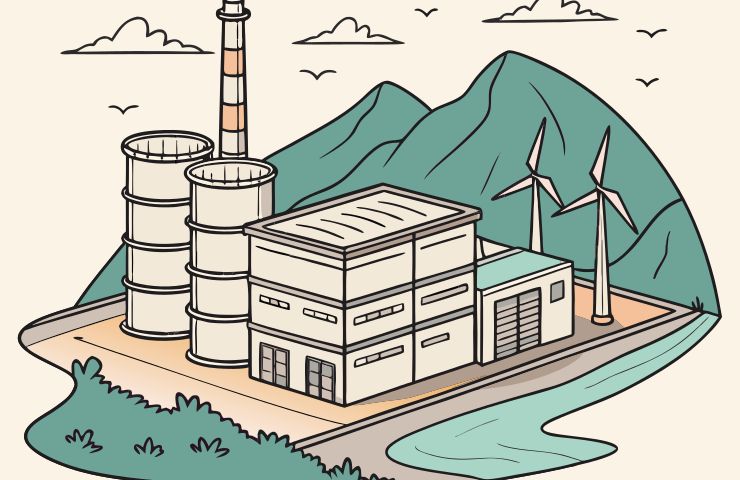
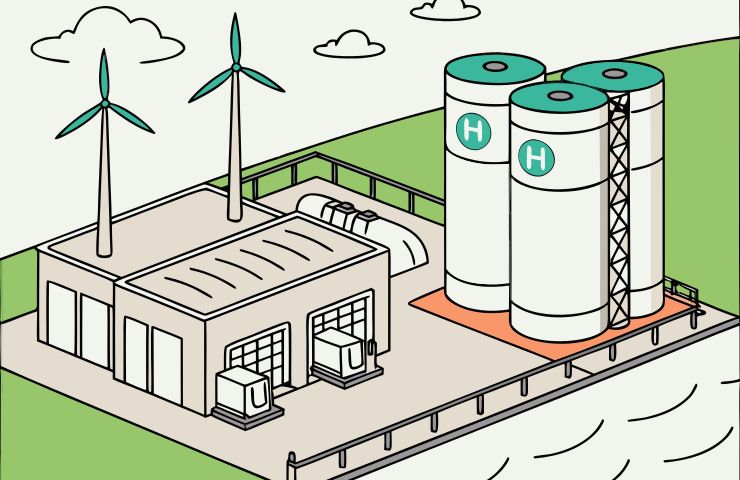
Picture a bustling facility on New Zealand's southern coast, where windmills sway and electrolyser stacks hum quietly as they churn out precious minerals next door. Sounds cool, right? Well, this scenario is edging closer to reality now that the government just rolled out a dedicated NZ$30 million package for hydrogen, part of its larger NZ$1.2 billion Regional Infrastructure Fund (RIF). This move aims to kick-start regional green hydrogen projects and marks a significant shift from small pilot grants to well-planned investments in hydrogen infrastructure.
Core News Snapshot
Recently revealed at a hydrogen sector hui in Christchurch by Hon Shane Jones, this fresh allocation is nestled within the wider Regional Infrastructure Fund. This NZ$1.2 billion initiative is designed to fund resilience, support infrastructure and address emerging priorities across New Zealand’s regions. The new NZ$30 million chunk aims to back projects that can boost the hydrogen sector and strengthen the overall energy system throughout the country. Kānoa—the Regional Economic Development & Investment Unit within MBIE—will be reviewing both existing and new applications until the entire fund is tapped out.
On top of that, the RIF has already committed NZ$15 million, split between loans and equity, to assist with a NZ$31 million commercial-scale plant in Southland that's run by Aspiring Materials Limited. This facility is set to co-produce essential minerals along with hydrogen, using cutting-edge technology. It’s a prime example of how policymakers are linking hydrogen production with broader industrial growth.
Technical Deep Dive: Green Hydrogen Production
At the heart of many projects buzzing around is green hydrogen production through electrolysis, harnessing New Zealand’s wealth of renewable energy from sources like hydro, wind, geothermal, or solar. Whether it’s proton exchange membrane or alkaline, electrolyser units use purified water and direct current to split water molecules into hydrogen and oxygen. Factors such as electricity costs, stack efficiency, and integration with grid services play a huge role in the process. Well-sized electrolysis systems can flexibly ramp up or down, helping balance renewable generation. You can find these systems being eyed for locations from Taranaki to Otago, wherever there's renewable power available.
Complementary equipment like water treatment facilities, power conversion units, compressors, and storage tanks round out a complete hydrogen production setup. The hydrogen produced can either feed into fuel cells for heavy transport or industrial applications, or be transformed into ammonia for international markets. One of the biggest hurdles in the hydrogen value chain is hydrogen storage, which often requires using compressed or liquid carriers to ensure a stable energy supply even when renewable resources fluctuate.
Financing Mechanisms with the Regional Infrastructure Fund
The Regional Infrastructure Fund combines NZ$900 million in capital with another NZ$300 million aimed at covering operating expenses. It uses loans, equity, and grants to boost regional assets. By adjusting the funding mix, the fund can fit the risk-return profile of each proposal. Loan funding is perfect for projects with stable revenue streams, while equity investments are aimed at innovative, high-value ventures.
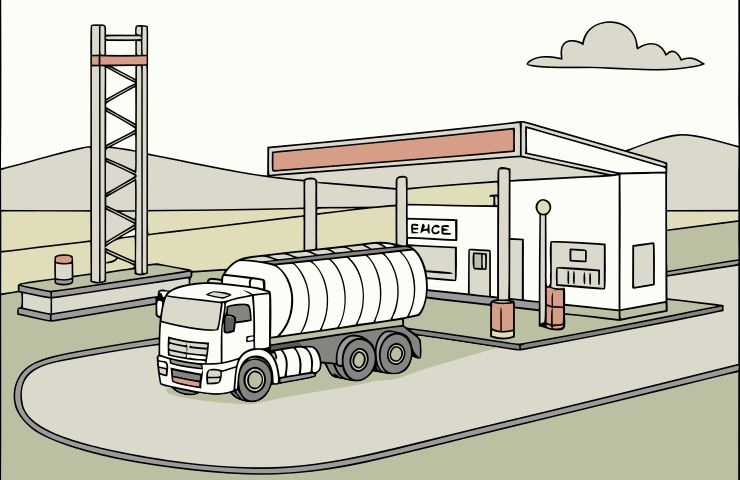
Kānoa looks at applications based on their economic impact, regional benefits, and how well they align with national priorities. Projects that get the green light will sign agreements designed to reel in more private investment. This focus on embedding hydrogen within the financial strategy underscores the government’s goal of transitioning from pilot projects to large-scale deployment of hydrogen production methods. Think hydrogen refueling stations for heavy trucks or integrating fuel cells directly in regional factories.
Critical Minerals and Hydrogen Co-Production
In Southland, Aspiring Materials Limited is cooking up a commercial-scale co-production facility that merges mineral processing with hydrogen generation. While the nitty-gritty details are still under wraps, the idea is to combine renewable-powered electrolysis with refining processes for battery-grade metals. By integrating energy flows and recovering waste heat, the system can really enhance overall efficiency.
This setup answers the rising demand for critical minerals while also generating clean hydrogen for local use or export. By co-locating these operations, the plant is set to bolster job creation in mining, processing, engineering, and logistics—keeping value in the local economies. The hydrogen produced can also be turned into ammonia for easy storage or transportation to global markets.
Strategic Impact and Regional Development
Tying hydrogen infrastructure to regional development could completely reshape local economies. Economic modeling from EY and MBIE suggests that a thriving domestic hydrogen industry might yield between NZ$2.3 billion and NZ$5.1 billion in annual GDP by 2050, supporting roughly 12,000 full-time jobs. While these figures hinge on market interest and stable offtake agreements, they underscore hydrogen's potential as a key economic driver.
For places like Southland, which have leaned on heavy industry, integrated facilities could ignite clusters around renewable energy, engineering services, and research. Branching into transport, industrial heat, and export paths only bolsters resilience against shocks in specific sectors.
Policy Trajectory and Historical Context
New Zealand's hydrogen strategy isn't something that popped up overnight; it dates back to a green paper that highlighted the country's renewable advantages, followed by an analysis charting potential decarbonization avenues in transport, industry, and exports. The 2023 Interim Hydrogen Roadmap consolidated around NZ$88 million of existing support for research, development, trials, and capital grants, along with a NZ$100 million consumption rebate and a NZ$30 million fund for clean heavy vehicles.
This latest allocation from the RIF signals a shift from research and pilot grants to serious infrastructure investment. There's also parallel work on regulatory settings—covering safety, market rules, and export licensing—that's already underway. A dedicated Hydrogen Regulatory Settings Project has been launched to align safety and market frameworks as projects transition from small pilots to full-scale operations.
Looking Ahead
With the NZ$30 million hydrogen package now up for grabs, all eyes are on project delivery. Industry players and regional leaders need to craft strong business cases that clearly demonstrate pathways to commercial success, reduced emissions, and local economic advantages. Early performance will provide invaluable lessons on cost trends, regulatory alignment, and financing strategies.
Everyone's watching to see how Kānoa prioritizes projects and whether private investors jump on board after the government's lead. Ultimately, the success of this funding could determine if New Zealand’s regions turn into shining examples of hydrogen infrastructure and clean hydrogen integration or if more policy tweaks are necessary to bridge the gap between dreams and reality.