Port of Antwerp-Bruges Welcomes AEM Electrolyzer to Drive Green Hydrogen Production
Power to Hydrogen and Port of Antwerp-Bruges partner to deploy a 500 kW AEM electrolyzer, advancing green hydrogen infrastructure and industrial decarbonization.
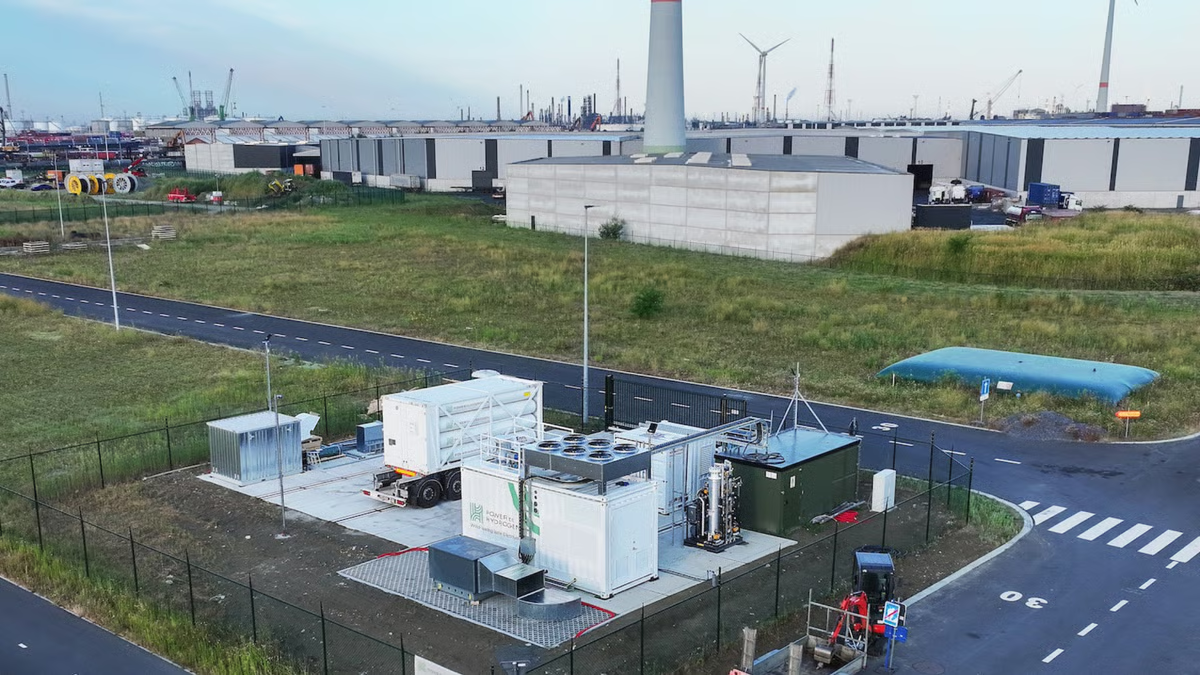
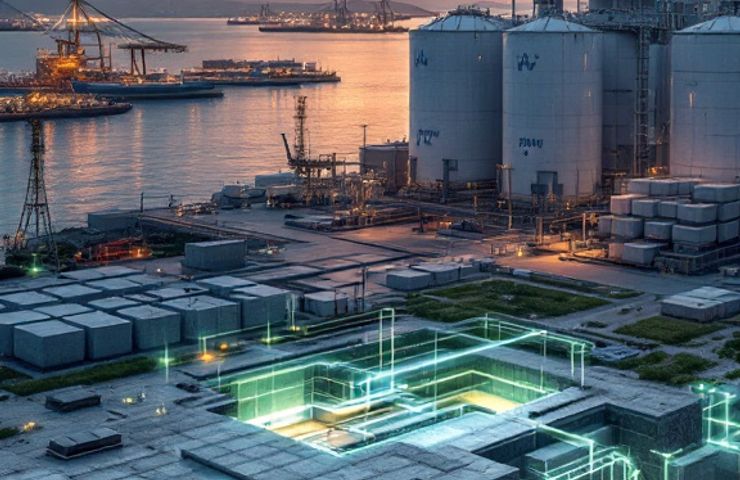
Power to Hydrogen has delivered a half-megawatt anion exchange membrane (AEM) electrolyzer system at the Port of Antwerp-Bruges. This isn’t just any project, though; it’s a big step in the port’s goal to become a central hub for green hydrogen and cut down on carbon emissions in heavy industry and logistics. The main idea is pretty straightforward: generate renewable hydrogen right on site using wind and solar power, all while using everyday materials instead of expensive metals. By making the most of the port’s local infrastructure, this initiative is set to tackle real challenges and serve as a model for even bigger multi-megawatt installations down the line.
With backing from strategic utility investors, regional EU grants, and support from an international innovation program, this partnership is a great mix of financial resources and technical know-how. They’re even collaborating with a local industrial gas supplier to kick things off with hydrogen sales, setting the project up to start generating revenue from day one and proving the business case for AEM technology in real-world conditions.
Unlike older alkaline systems that depend on liquid electrolytes, this AEM approach cleverly combines modular stacks, power electronics, and water treatment into one compact unit. This design is perfect for busy port environments and adapts smoothly to varying renewable inputs, making it ideal for daily operations. Plus, thanks to smart automation software, the system can adjust its output in just minutes to keep up with wind and solar power fluctuations.
Solving Real-World Problems in a Busy Port Environment
Ports are under a lot of pressure to go green, especially when it comes to their maritime operations and cargo handling. The Port of Antwerp-Bruges, with its busy terminals and pipeline networks, is an ideal spot to put this 500-kilowatt system to the test. By producing hydrogen on-site, they can reduce their need for delivered grey hydrogen, cutting CO2 emissions from transport and handling. It’s truly about solving real-world problems—fueling industrial processes, supporting hydrogen trucks, and helping local refueling stations.
This pilot unit will cater to multiple users in the NextGen District, feeding both industrial pipelines and public refueling dispensers. Demonstrating that AEM electrolysis can work effectively even under high-demand conditions, it’ll give stakeholders the confidence to think bigger for future port expansions—exactly what’s needed to meet EU goals for tons of green hydrogen capacity.
Made in Columbus, Made for Europe’s Future
This incredible system is indeed made in Columbus, made for Europe’s future. Power to Hydrogen, founded by hydrogen tech innovators and supported by utilities like American Electric Power and Shell-related funds, borrowed local expertise from its U.S. pilot projects to develop an M-Class hybrid AEM electrolyzer that’s just right for the European market. The modular 250-kilowatt stacks were put together in Ohio and shipped out, with a new service hub in Antwerp overseeing final commissioning—ensuring speedy support and maintenance.
By using common materials and standard designs, they’re aiming to lower production costs as they scale up. They’ve also created local partnerships with engineering firms and logistics providers to streamline the supply chain, meaning future units can be built and deployed quicker. With recognition as a Technology Pioneer from a global economic forum, this startup is really establishing its credibility, boosting belief in next-gen electrolysis technologies across Europe.
Right in Step with Climate Ambitions
The installation aligns perfectly with the port authority's roadmap for climate and energy transition, which aims for climate neutrality by 2050. The hydrogen produced here will replace grey hydrogen in chemical processes, help lower emissions from cargo handling, and support pilot projects for hydrogen-powered tugs and trucks. Renewable electricity sourced from nearby offshore wind farms could even power the electrolyzer, making the whole process virtually carbon-free.
With more local renewable capacity coming online and CO2 capture efforts moving forward, this new AEM pilot fits right into the port’s green energy framework. This integration is a fantastic example of how hydrogen production can work hand-in-hand with solar and wind energy, providing flexible energy storage and managing grid demand while helping the port make smaller emissions cuts each year.
Economic Benefits and Tapping into Local Expertise
Beyond the environmental wins, this project has some real economic perks. The installation and commissioning phases create skilled jobs in areas like construction, system integration, and ongoing maintenance. By tapping into local expertise, this initiative also bolsters the clean tech workforce in the port region. Additionally, Power to Hydrogen is setting up a European operations hub that will facilitate service contracts and future rollouts, anchoring a local supply chain for AEM electrolyzers.
They’ve engaged local suppliers for infrastructure and specialty services, spreading the benefits to fabricators and technical consultants alike. And the involvement of utility partners and regional grants underscores a collective commitment to making this technology a success, speeding up the port’s transition to clean energy and supporting small and medium-sized businesses in the hydrogen scene.
Looking Ahead: Scaling Up and Next Steps
While this half-megawatt unit is a significant milestone, it’s just the start of a bigger journey. Data collected during commissioning and initial operations will help validate performance, durability, and maintenance needs in real port conditions. This feedback will pave the way for designing future multi-megawatt systems, potentially boosting capacity to 25 MW for entire industrial clusters.
There’s also a follow-up project brewing in Norway, where a similar electrolyzer will be used to produce green hydrogen for a process that transforms captured CO2 into zero-emission chemicals. As Europe ramps up its clean hydrogen goals, this pilot stands as a shining example of how next-generation electrolysis can successfully transition from lab to port, enhancing energy security while fostering a low-carbon economy.
This project highlights the potential of hydrogen production, hydrogen infrastructure, and renewable energy integration. It’s all about moving forward, celebrating innovation, and building a cleaner, more resilient energy future for us all.