Hydrogen Infrastructure: Brookfield and Bloom Energy Expand AI Data Center Power Financing
Brookfield boosts its AI infrastructure financing with Bloom Energy from $5B to $25B, using modular solid oxide fuel cells for rapid, onsite data center power.
In late June 2026, Bloom Energy and Brookfield quietly doubled down on a strategy that tackles one of the main headaches facing the AI industry: reliable, fast-to-deploy power. The two firms unveiled an expansion of their strategic financing partnership from a pioneering $5 billion framework to a fivefold, $25 billion program. By bundling onsite generation with capital, they’re offering developers a way to power AI data centers without waiting on often lengthy grid upgrades. This move shows how energy meets finance in the race to scale AI infrastructure globally.
Partnership Expansion and Business Logic
Back when they first joined forces, Brookfield committed up to $5 billion to deploy Bloom Energy fuel cell systems at data centers. It was seen as a pilot program. Fast forward, and developers have made their interest clear—hyperscalers, cloud providers, and AI startups alike need power this minute, not in a year. The expanded $25 billion framework isn’t a purchase order; it’s a financing pool that customers can tap to build and operate generation behind the meter. Brookfield brings its global investment muscle and infrastructure expertise, while Bloom contributes modular fuel cells that can be installed in weeks. Together, they’re streamlining what used to be two separate processes—raising capital and securing electricity—into one coordinated push.
Technology at the Core: Solid Oxide Fuel Cells
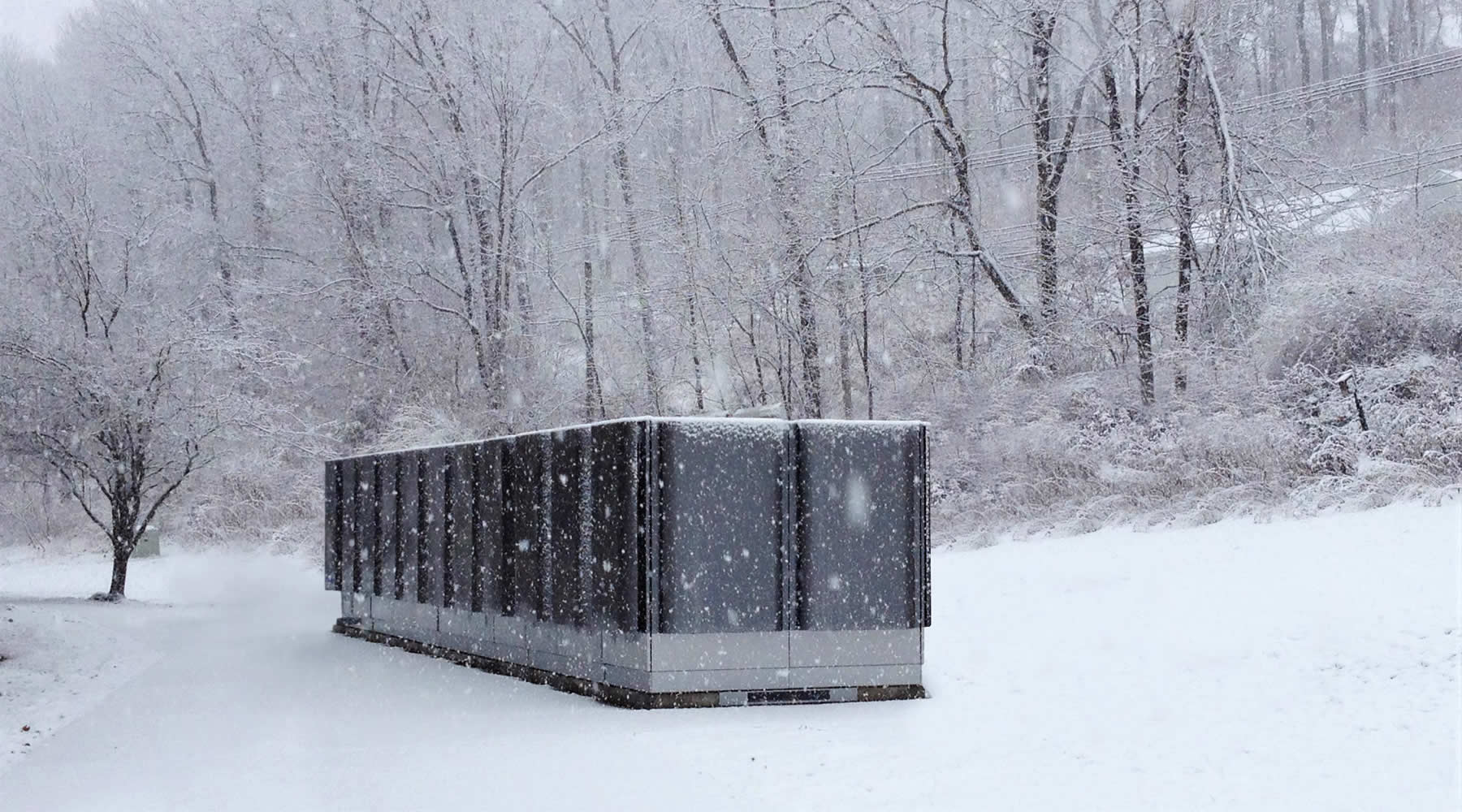
Solid oxide fuel cells lie at the heart of this approach. Unlike combustion engines, these high-temperature electrochemical devices generate electricity without flame, converting natural gas, biogas or hydrogen directly in ceramic stacks. Bloom’s design is fully modular: individual stacks assemble into a module, and modules combine into an Energy Server platform sized to match a facility’s load. Because there’s no exhaust-driven combustion, you avoid SOx, NOx and particulate emissions at the site, and you get steady, uninterrupted power ideal for mission-critical AI workloads. Plus, the behind-the-meter model means generation sits on the customer side of the meter, boosting resilience and slashing exposure to grid outages.
Financing AI Infrastructure
Traditionally, energy procurement sits at the tail end of a data center build. Brookfield’s model flips that script by treating power generation as a financed asset class from day one. The expanded program nests inside the broader AI Infrastructure Fund targeting $100 billion, of which $25 billion is earmarked for onsite generation. That means when a company secures funds for land, servers and cooling, it can also pull capital for Bloom’s fuel cells in the same transaction. The result is a faster path to commercial operation—no more waiting months for utility approvals or scrambling to lease diesel backups—and it aligns incentives between developers and financiers around uptime and efficiency.
Market and Historical Context
Data centers have historically relied on grid connections or diesel gensets when the grid can’t keep pace. In October 2025, Reuters and CNBC covered the initial $5 billion Brookfield-Bloom tie-up as a signal that nontraditional power was moving mainstream. Analysts pointed out that fuel cells, once niche clean-tech tools, were finding a new role in high-value, mission-critical settings. The rapid fivefold increase in the partnership framework underscores how quickly demand has grown. For Brookfield, it marks a shift from pilot to program scale; for Bloom, it validates years of investment in industrial and data center use cases. Together, they’re writing a new chapter in how we think about powering digital infrastructure.
Environmental Considerations and Fuel Flexibility Pathways
Onsite fuel cells offer local emissions benefits, but they’re not zero-carbon by default. Many systems today run on natural gas, which carries lifecycle emissions. Bloom Energy stresses that its servers can switch to biogas or green hydrogen if those fuels become available, offering a lower-carbon pathway. That flexibility is crucial as hydrogen production and renewable gas infrastructure expand. Still, communities around data centers often scrutinize any new fuel source for noise, air quality and safety. Permitting processes can vary widely, from strict emission caps in California to different rules in the Northeast. Developers will need to balance community concerns, local regulations and longer-term climate goals when choosing their fuel mix. In the debate between bridge technologies and permanent solutions, these fuel cells sit in the middle—they’re cleaner than diesel, easier to deploy than new transmission lines, but dependent on the greening of gas markets to fully deliver on climate promises.
Broader Industry Impact
If developers tap into this new financing well, we could see a surge in demand for fuel cell manufacturing, site engineering and gas logistics. Equipment makers might ramp up production, while EPC contractors design integrated power plants rather than separate backup generators. Gas suppliers could invest in biogas or hydrogen delivery pipelines to meet rising needs. On the investment side, Brookfield’s move may prompt other funds to view distributed generation as a core part of digital infrastructure portfolios. For Bloom Energy, the partnership underlines a shift from niche vendor to mainstream power provider, potentially reshaping investor expectations about its growth prospects in clean energy and data center markets. In emerging regions with spotty grids, this model could unlock AI buildouts once deemed too risky.
Challenges and Next Steps
Even with a hefty finance pool, hurdles remain. Scaling up manufacturing to meet potential demand won’t happen overnight, and qualified installers and technicians must be trained across multiple markets. Permitting processes, especially around hydrogen or biogas use, can be unpredictable. Meanwhile, some operators may push back on locking into a behind-the-meter solution if future utility or renewable options emerge as cheaper or cleaner. There’s also competition from battery storage, microgrids and emerging nuclear microreactors, each vying to solve the same reliability puzzle. For Brookfield and Bloom, the next test will be translating framework commitments into signed project agreements, then delivering on schedule and budget.
Looking Ahead
This expanded partnership between Brookfield and Bloom Energy offers a glimpse of how power, finance and technology can converge to meet the AI era’s needs. By making $25 billion available for rapid onsite generation, they’re changing the playbook for data center development. Whether this approach scales worldwide will depend on fuel markets, regulation and the ability to execute. But one thing’s clear: as AI grows, so too will the demand for creative solutions that keep the servers humming, no matter what the grid is doing.