Hydrogen infrastructure: Delgaz Grid validates 30% hydrogen blending in existing networks
Delgaz Grid’s 30HyGrid pilot confirms safe integration of 30% hydrogen blends in existing low-pressure gas infrastructure.
Delgaz Grid has just wrapped up its 30HyGrid pilot program in northern and western Romania. This project has shown that existing low-pressure gas distribution systems and appliances can safely handle a mix of up to 30% hydrogen blended with natural gas.
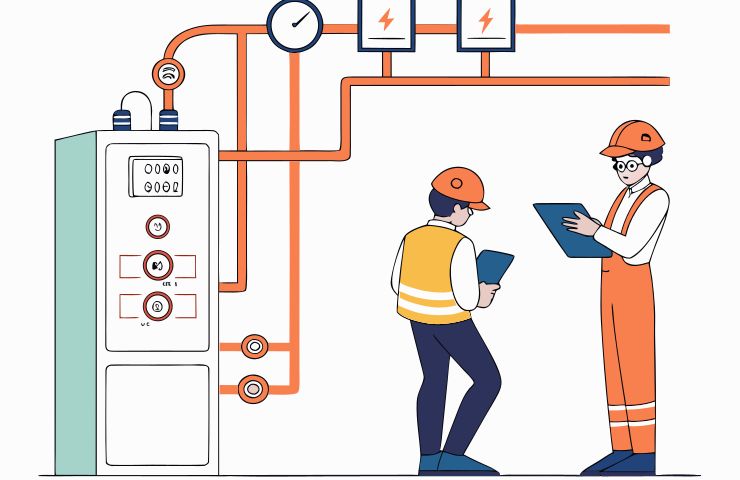
During controlled tests at a specialized testing site, engineers mixed methane with 23% and then 30% hydrogen. They took a close look at how this blend performed in domestic boilers, cookers, and larger equipment, with capacities reaching up to 1,120 kW. Over hundreds of hours of operation, they evaluated things like flame stability, emissions, and safety features, and everything performed just as well as with pure natural gas.
They didn’t stop there, though. Field trials expanded to include both residential and commercial users. Equipment like grain dryers and bakery ovens received hydrogen-rich gas straight from existing pipelines, and impressively, no modifications were needed for the hardware. The performance matched what they’d seen in the lab—steady heat output with no need for adjustments or repairs to regulators or valves. They fine-tuned delivery parameters to account for hydrogen's lower energy density while staying well within standard pressure limits.
Strategic Implications
This pilot reinforces a crucial pathway for decarbonization. By confirming that 30% blends work in actual network segments, Delgaz Grid, along with its parent company, E.ON Group, can utilize existing assets to accommodate green hydrogen, which buys them time before needing dedicated pipelines. This project is also nicely aligned with Delgaz Grid’s modernization initiative, which includes a whopping 171 million EUR investment planned for 2024 and potentially up to 282 million EUR set aside for 2025-2026, aimed at upgrading their gas and electricity networks.
The results from this study provide solid data that decision-makers can use to refine gas quality standards and safety regulations. Plus, it strengthens their case for funding under EU recovery and cohesion programs. With a solid 30% blend confirmed, Delgaz Grid is in a better position to negotiate off-take agreements for renewable hydrogen from electrolysis or biomethane producers, promoting supply diversity and reducing carbon footprint.
This builds upon the initial 20HyGrid phase, which demonstrated safe operation with 20% hydrogen blends. Following this, Delgaz Grid kicked off BlendUp30, which focuses on long-term testing of 23-30% blends, along with HyGrid100, which aims to assess pure hydrogen on dedicated segments of the network. Together, these efforts create a step-by-step plan toward building a hydrogen-ready infrastructure by the end of the decade.
Main Insights
- The 30% hydrogen blend proved to be fully compatible with existing low-pressure pipelines and commonly used combustion appliances without needing hardware changes.
- Field and lab data covered a range of appliances, including residential boilers, stoves, ovens, grain dryers, and industrial heaters, reaching up to 1,120 kW.
- Hydrogen’s lower energy density required some minor adjustments in flow, but everything stayed within regulatory pressure limits.
- The evidence strongly supports hydrogen blending as a transitional solution rather than an immediate infrastructure overhaul.
- Complementary projects like BioMethaneMix and HyGrid100 aim to broaden Romania’s green gas portfolio, adding biomethane and pure hydrogen segments.
European Context
Across Europe, similar pilot projects have been happening in France, the UK, and Germany, exploring blends of up to 20% hydrogen, with some trials in Germany hitting 30% under certain conditions. However, research suggests that blending above 20% could stress materials and potentially increase leakage risks while only yielding modest CO₂ reductions of about 6-7%. Delgaz Grid’s achievement at 30% adds valuable local evidence that polyethylene-rich pipelines and commonly used appliances in Romanian networks can handle higher hydrogen proportions without problems.
Considerations for Scale-Up
While the technology seems feasible, the economic side still poses a challenge. Hydrogen production through electrolysis is pricier than natural gas, and blending can lower delivered energy density, which might drive up compression and metering costs. Studies indicate that 20-30% blends could hike household gas prices by up to 11% and industrial rates by 24-43%, depending on electricity costs. For consumers in Romania, a thorough cost-benefit analysis is crucial to maintain affordability, especially during those cold winter months.
There’s also the matter of material compatibility to keep in mind. While polyethylene pipes and standard regulators performed well during the pilot, steel pipelines and welds might become brittle at higher hydrogen levels. To tackle this, upgrades to monitoring, sealing technologies, and calibration protocols for varying blends will come with added costs. Regulators will need to revisit gas quality rules and appliance certifications to align with the new, higher thresholds demonstrated by the 30HyGrid project.
Environmental impacts are another important factor to scrutinize. Hydrogen leakage has a high global warming potential, and increased flow rates on networks could eat into the emission gains. Some critics argue that blending should serve as a short-term solution, not a long-term decarbonization strategy. Both industry leaders and policymakers will need to balance investments in blending against alternatives like direct electrification or entirely dedicated hydrogen corridors for sectors that are tough to decarbonize.
Financing and Partnerships
On the investment side, initiatives like 30HyGrid are well-positioned to attract EU hydrogen infrastructure grants and carbon offset revenues. By clearly defining a hydrogen content ceiling, operators can lower regulatory uncertainty and speed up adaptation cycles. Public-private partnerships could help fund smart metering, leak detection, and blend station installations. Aligning the outcomes of these pilots with the EU’s hydrogen backbone initiative might pave the way for cross-border agreements, connecting Black Sea hydrogen producers with consumers in Central Europe.
Delgaz Grid has indicated that, pending regulatory approval, commercial-scale blending of up to 30% could roll out in just two years across select counties, with plans for full network coverage in the late 2020s as electrolyser capacity and biomethane production expand.
Ultimately, the 30HyGrid project showcases that blending levels once thought to be unachievable can indeed be safely implemented in real-world networks. It strengthens Delgaz Grid’s bargaining power for renewable hydrogen supplies and greater regulatory flexibility, all while enriching Europe’s database for cross-border interoperability and national hydrogen strategies.
As we march towards an energy transition, blending will need to hold its own against direct solutions like heat pumps and pure hydrogen grids. By proving that 30% hydrogen can work seamlessly in existing pipelines, Delgaz Grid is setting the stage for strategic investment decisions and necessary regulatory updates, ensuring Romania can tap into diverse green gas solutions while planning more extensive infrastructure changes down the road.