Hydrogen Infrastructure: Four Low-Pressure Storage Tanks Go Online at Stuttgart’s Green Hydrogen Hub
Stadtwerke Stuttgart has deployed four low-pressure hydrogen storage tanks at its Green Hydrogen Hub, adding 328 m³ of buffer capacity to stabilise renewable hydrogen supply for regional mobility and industry.
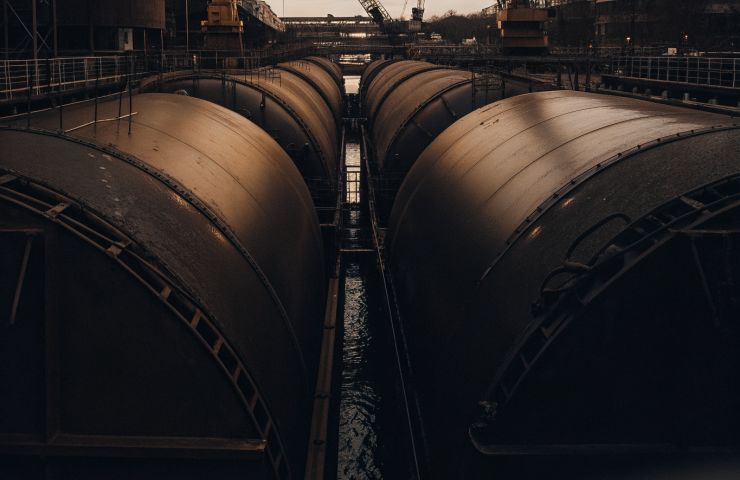
Over at Stuttgart’s Green Hydrogen Hub in the city port of Wangen they’ve just installed four impressive low-pressure hydrogen storage tanks, making a real mark in the area’s journey toward clean energy. Each of these cylinders towers at about 22 meters, tipping the scales at around 65 tonnes. Together, they offer a whopping 328 m³ of buffer volume, which is about 2,100 kg of green hydrogen. This addition is huge because it helps bridge the gap between the ever-changing nature of renewable energy and the immediate supply needed for transportation, industries, and heating.
The brains behind this project is the local utility company, Stadtwerke Stuttgart, who’s also gearing up to roll out a 9–12 MW stack of PEM electrolysers right there at the same site. Once everything’s up and running, they’re expecting to churn out around 1,000–1,200 tonnes of top-notch green hydrogen each year, and guess what? It’ll all be powered by the utility’s own wind and solar energy! Hydrogen gets moved around through an underground steel pipeline along the regional H2 GeNeSiS corridor, plus they use trailer logistics to deliver it to places within a 50 km radius.
Buffering Green Hydrogen Production
Now, let’s talk about how those low-pressure storage tanks work their magic. Operating at moderate pressures of about 30–45 bar, these tanks safely store large volumes of hydrogen close to where it’s produced. When there’s a surplus of hydrogen—thanks to all that sunshine and wind—it’s compressed into these tanks. Then, when demand spikes for things like fuel-cell buses, heavy-duty trucks, or industrial uses, the gas is released, sometimes recompressed, and sent through the pipeline or loaded onto trailers. Peter Drausnigg, the technical managing director at Stadtwerke Stuttgart, highlighted that this buffer feature is essential for syncing up electrolysis operations with renewable generation, ensuring that we don’t waste energy and can deliver reliably.
Linking Pipeline and Trailers
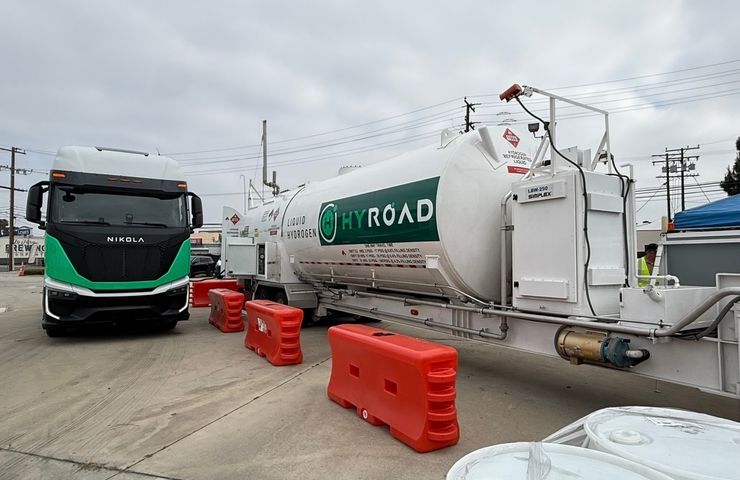
The H2 GeNeSiS pipeline snakes from Stuttgart-Ost through Hedelfingen and Wangen, heading toward Esslingen. They’ve already got crews on the ground laying down steel pipe segments in trenches along the riverbank, complete with corrosion protection and safety monitoring systems. While the pipeline will eventually create a steady flow of hydrogen, the trailer distribution is key for flexibility. Those trailers can access the new storage tanks directly, picking up hydrogen and delivering it to customers or remote refueling stations without having to wait for the pipeline to go live.
Funding and Strategic Backdrop
This hub and its exciting infrastructure are part of a hefty investment of about €50 million, with €16.6 million coming from EU, state, and regional grants. The Verband Region Stuttgart is leading a €20 million co-financing initiative for regional hydrogen projects, allocating around €10 million to this hub and another €5 million for trailer distribution efforts. This backing fits perfectly into Stuttgart’s wider hydrogen strategy that kicked off in 2021, which aligns with Europe’s ambitious goal to develop at least 10 GW of electrolyser capacity by 2030 under the German National Hydrogen Strategy.
Implications for Decarbonisation
By storing up to 2,100 kg of green hydrogen, these tanks are crucial for stabilizing supply for those early adopters in public transport, logistics, and various industries. The folks behind the project estimate that, once fully operational, it could save about 15,000 tonnes of CO₂ each year if it replaces diesel and natural gas sources. Their integrated approach—which links electrolysis, storage, pipelines, and applications—could serve as a model for other industrial areas wrestling with the challenges of renewable energy volatility and the need for better infrastructure planning.
Next Steps and Outlook
They’re currently in the process of commissioning the storage tanks, with the whole production plant set to kick off operations by late next year, ramping up through 2027. After that, the H2 GeNeSiS pipeline will follow, creating continuous hydrogen flows to bus depots and industrial sites. Meanwhile, Stadtwerke Stuttgart is working on refining their control systems and looking into advanced optimization tools to make the most out of their buffer and keep operational costs down. As Europe’s hydrogen ecosystem keeps evolving, this Stuttgart hub is shaping up to be a testing ground for resilient, flexible hydrogen infrastructure.
With these new storage tanks making their debut, Stuttgart’s municipal utility is clearly signaling its commitment to a future powered by hydrogen—one where renewable energy fuels a dependable, zero-emission supply chain for vehicles, factories, and buildings all across the region.