Hydrogen Infrastructure: HRS to Maintain Six Hydrogen Refueling Stations in Auvergne-Rhône-Alpes
HRS will maintain six HYmpulsion hydrogen refueling stations in Auvergne-Rhône-Alpes under a five-year contract, reinforcing Zero Emission Valley infrastructure reliability.
When you think about scaling up zero-emission mobility, securing reliable operations for hydrogen refueling stations is a big deal, even if it doesn't always get the spotlight it deserves. Just a few brief outages at these stations can mess up fleet operations, shake up user confidence, and put a serious dent in hydrogen adoption. A recent partnership announced in France really highlights how a solid service framework can keep stations running smoothly and help build trust in these budding hydrogen networks.
French hydrogen station manufacturer HRS has just landed a five-year maintenance deal with regional operator HYmpulsion to oversee six hydrogen refueling stations in the beautiful Auvergne-Rhône-Alpes area. This agreement means HRS will handle everything from preventive maintenance to emergency repairs, deliver spare parts, and even monitor the sites around the clock for places like Aubenas, Saint-Égrève, Vénissieux, Lyon-Saint-Exupéry, Malataverne, and Saint-Priest. These stations are strategically located along key logistics routes and near transport hubs, like the airport at Lyon-Saint-Exupéry, which makes them crucial for meeting both urban and intercity mobility needs. This setup is a vital part of the region's ambitious Zero Emission Valley project, aiming to roll out over 15 renewable hydrogen stations and kickstart adoption among commercial vehicle fleets.
Technical Scope and Operational Design
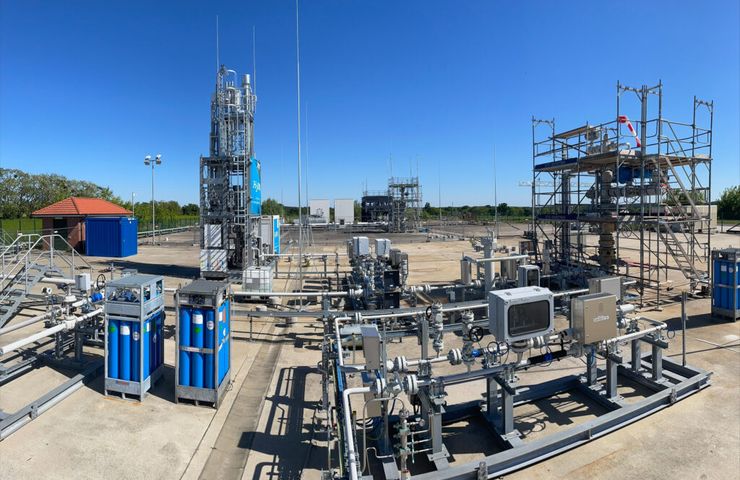
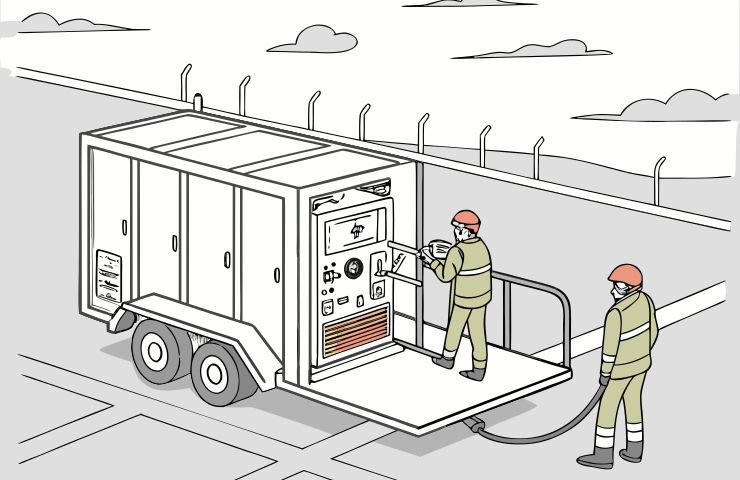
These six refueling facilities are equipped with high-pressure hydrogen storage tanks, multistage compressors, and fast dispensers designed to cater to both 350 bar requirements for larger vehicles like buses and trucks, as well as 700 bar for passenger cars. They’ve even taken weather into account, ensuring they can operate in everything from freezing alpine conditions to steamy summer heat, with robust cooling systems and insulated pipes. Safety is also a top priority here; each station is fitted with gas detectors, emergency shut-off valves, and dedicated ventilation that meets hydrogen safety standards. HRS’s maintenance team will carry out regular tasks including compressor upkeep, filter changes, pressure sensor checks, and leak tests. And when something goes wrong, their tech teams are ready to jump into action quickly to minimize downtime and keep everything running smoothly. By sticking to manufacturer recommendations and real-time performance updates, the maintenance plan aims to keep the dispensing capacity at its best right through the stations' lifecycle.
Digital Monitoring and Data Analytics
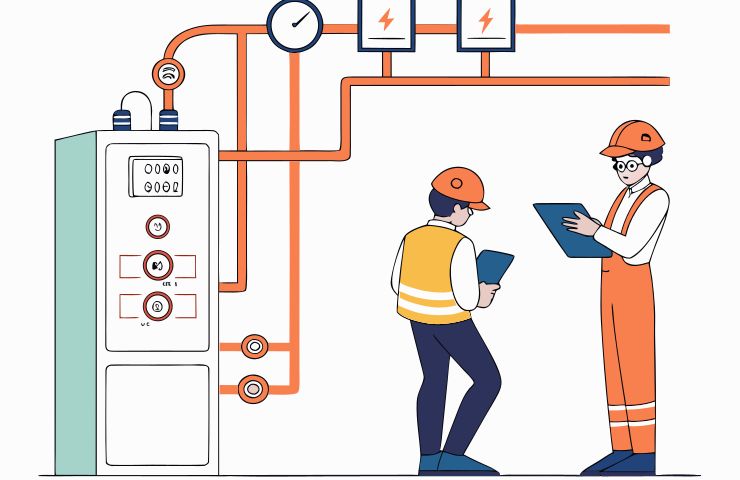
One of the key parts of this contract is HRS’s around-the-clock digital monitoring system, which pulls together data from compressors, dispensers, and pressure vessels. Armed with IoT sensors and cloud-based analytics, this system can catch issues like pressure or flow rate anomalies before they become bigger problems. The techs can even diagnose problems remotely and get software updates done on control units without needing to be on-site, and they can prepare parts for any components that are at risk of failing. For operators, the customizable dashboards show station throughput, alert histories, and maintenance schedules, making it easy to keep stakeholders and regulators informed. Over time, this high-tech approach not only speeds up repairs but also helps refine failure models, paving the way for better hardware and maintenance practices at hydrogen refueling stations.
Strategic Implications for Hydrogen Infrastructure
By locking in a long-term maintenance framework, HRS and HYmpulsion are essentially de-risking the rollout of hydrogen infrastructure. This sends a strong message to fleet operators and investors that they can trust the reliability of these stations. For logistical companies, municipal services, and airport shuttles, knowing they can count on a dependable source of hydrogen is critical for planning schedules and routes effectively. Thanks to this contract, fleet managers will be able to predict operational costs and service timing more accurately, which in turn improves their total cost of ownership for hydrogen vehicles. For HRS, this deal isn't just about service; it also opens up new revenue streams that complement the initial sales of the stations, helping them strengthen their foothold in the European market. Plus, it makes financing hydrogen projects even more appealing by showing that operational risks can be handled through structured agreements rather than reacting to failures as they arise.
Company Background and 24/7 Service Model
HRS (Hydrogen Refueling Solutions) specializes in creating and managing hydrogen infrastructure for both mobility and industrial applications. They operate a central monitoring hub that oversees station fleets across Europe. Their focus on integrated service—combining preventive maintenance schedules, spare parts logistics, and quick-response field interventions—reflects a broader shift toward lifecycle management in clean hydrogen news. HRS’s regional hubs keep critical components on hand, cutting down lead times to just days, especially in hard-to-reach areas. HYmpulsion was formed through a public-private partnership involving the Auvergne-Rhône-Alpes region, ENGIE, and Michelin to design, install, and manage the Zero Emission Valley network, starting with an initial fleet of 800 to 1100 subsidized light vehicles for professional use.
Integration with In Situ Hydrogen Production
One of these six stations has a direct line to an on-site electrolyzer, operated by HYmpulsion, that uses renewable electricity to turn water into hydrogen and oxygen. This close connection reduces storage needs and shrinks the overall infrastructure footprint. By coordinating maintenance schedules between the refueling station and the electrolyzer, they can keep supply chains seamless. Data from both assets is shared, enabling synchronized preventative downtime, which minimizes the risk of running short on hydrogen during peak demand and boosts system resilience across the network.
Regulatory and Industry Standards
As European regulations around hydrogen infrastructure are evolving, performance standards—like station uptime and safety audit frequencies—are becoming clearer. HRS and HYmpulsion are ahead of the game by incorporating digital monitoring and predictive maintenance into a long-term agreement. This proactive approach puts them in a solid position to meet compliance requirements before they even hit. The operational data they gather will also help streamline certification and feed into industry benchmarks set by European technical committees, bolstering confidence from investors and insurers in hydrogen project financing.
Regional Energy Transition Backdrop
The Auvergne-Rhône-Alpes region is positioning itself as the hydrogen heart of France, hosting around 80% of the country’s industrial players in this space. By tapping into local hydropower, solar, and wind, this region is creating renewable hydrogen right where it’s needed, cutting down transportation emissions and fostering new economic clusters around fuel cell technology. The hydrogen infrastructure network serves about eight million people, meeting the mobility needs of both bustling urban centers and rural areas. The Zero Emission Valley initiative, supported by regional authorities and EU funding, aims for significant NOx emission reductions while also demonstrating how to integrate clean hydrogen production, refueling stations, and vehicle deployment.
Looking Ahead
This maintenance deal marks a significant shift from trial projects to a more structured approach for managing hydrogen infrastructure networks with clear service commitments. The five-year timeline fits right in with standard infrastructure financing cycles, paving the way for future expansions and partnerships that can build on this proven maintenance framework to attract new investment. As HYmpulsion gears up to add more stations, this model could easily adapt and serve as a playbook for other areas in France and beyond. For the broader adoption of hydrogen fuel cell vehicles, having reliable refueling stations is essential, especially for regions aiming to hit ambitious decarbonization goals. By ensuring operational continuity, everyone involved can focus on ramping up fleet deployment and refining their business models, instead of constantly battling technical mishaps.