Hydrogen Infrastructure: Moorburg H2-Connector Underway to Link Green Hydrogen Production to HH-WIN Network
Hamburger Energienetze has started constructing the H2-Connector at Moorburg, linking a 100 MW green hydrogen electrolyser with Hamburg’s HH-WIN network and the national hydrogen grid.
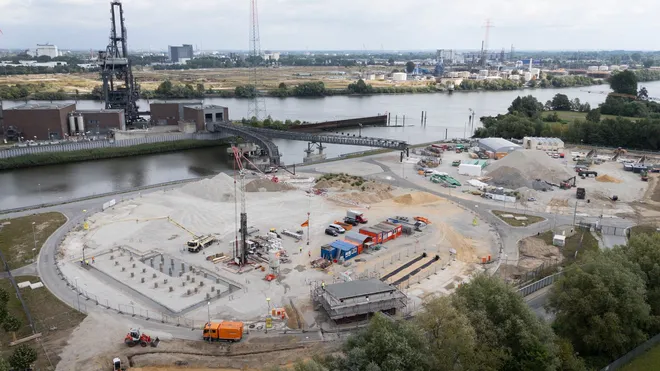
From Coal to Hydrogen Hub
Right at the edge of Hamburg’s bustling port, the old Moorburg coal plant is starting to transform. Those towering chimneys that once filled the skyline are being replaced with sleek steel pipelines and compressor units. This month, Hamburger Energienetze kicked off the construction of the H2-Connector, a cutting-edge hydrogen facility designed to link a flagship 100 MW electrolyser to the regional pipeline network and connect with Germany's emerging hydrogen core grid. It’s a big leap for Hamburg, marking a significant shift in the city’s energy landscape as the coal plant, which was disconnected from the grid back in 2021, paves the way for green hydrogen production and distribution.
Backbone of Hamburg’s Hydrogen Network
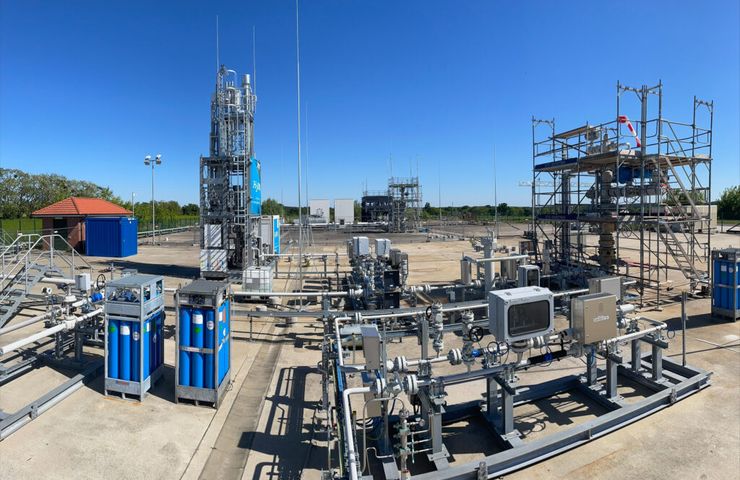
The H2-Connector will house three key installations: a feed-in unit (Einspeiseanlage), a gas pressure regulation plant (Gasdruckregelanlage), and a compressor station (Verdichterstation). Nestled on brownfield land just a stone's throw from the electrolyser, these facilities are crucial. They’ll make sure that hydrogen produced through water electrolysis is injected into the Hamburg Wasserstoff-Industrie-Netz (HH-WIN) with optimal purity and pressure. For the first phase, HH-WIN will stretch about 40 km, with a possible expansion to 60 km by 2031, ensuring that industrial clients in the harbor can tap into clean hydrogen at a sizable scale.
How the H2-Connector Works
Let’s peek under the hood. The feed-in unit measures the hydrogen produced by the electrolyser, keeping an eye on important factors like temperature, purity, and flow rate before it’s sent out. Keeping everything in check is vital not just for efficiency but to prevent any wear and tear on the pipelines downstream. Over at the other end, the gas pressure regulation plant steps in to manage hydrogen coming from the national grid, ensuring that pressure levels are just right for local usage and the electrolyser. It’s like a traffic controller, using advanced valves and regulators to maintain steady flows, no matter what’s happening upstream. Then there’s the compressor station, which ramps hydrogen pressure up to about 25–70 bar, making it easy to transport through long-distance pipes or supply directly to high-pressure industrial processes. According to project insights, in its first phase, it could handle imports of up to 360,000 Nm3/h and export around 200,000 Nm3/h, turning Moorburg into a buzzing hub for hydrogen across Northern Europe.
Green Hydrogen Production at Moorburg
At the heart of this project, you’ll find a 100 MW electrolyser provided by Siemens Energy. This bad boy likely uses proton exchange membrane technology, which cleverly separates Hydrogen from water while blocking out gases. The process involves demineralised water being fed into stacks where a direct current splits H2O into hydrogen and oxygen. What’s cool is that renewable energy sources from local wind and solar farms fuel this process, keeping lifecycle emissions low. Designed for flexibility, this electrolyser can ramp up hydrogen production based on available power and churn out about 10,000 tonnes of green hydrogen each year. And let’s not forget, it produces some waste heat—around 13 MW thermal—a portion of which could be tapped for the city’s heating needs, although a formal plan for that is still in the works.
Connecting Production to Demand
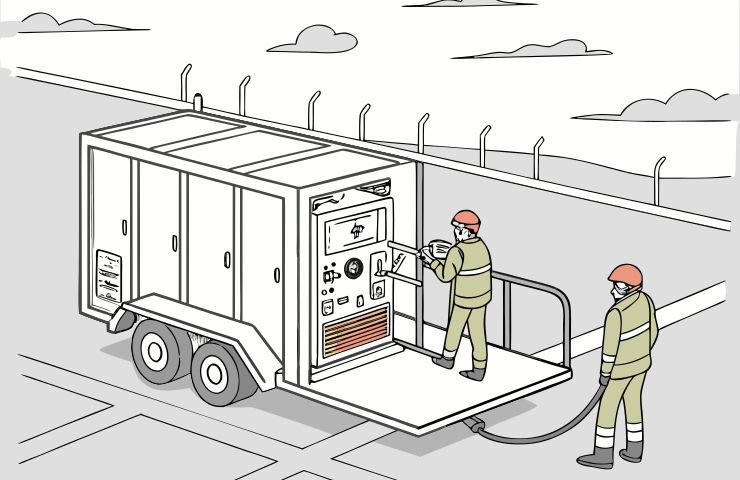
However, just cranking out hydrogen isn’t enough; without a solid hydrogen infrastructure, all that clean gas would be left stranded. This is where the H2-Connector steps in, connecting hydrogen to the HH-WIN pipelines that serve steel, chemical, and logistics companies along the Elbe River, while also integrating with Germany’s national network for broader distribution. They also plan to set up a trailer loading station for trucking deliveries—perfect for customers not directly linked to the grid. This two-pronged distribution strategy highlights Moorburg’s dual role, not just as a production site but as a critical juncture for hydrogen corridors reaching across Northern Europe.
Public–Private Consortium and Funding
The transformation going on in Moorburg is backed by over €250 million from the EU’s Important Projects of Common European Interest (IPCEI) Hydrogen programme. Roughly 30% of that comes from the city-state of Hamburg and Germany’s federal ministry for economic affairs and climate action (BMWK). On the municipal side, Hamburger Energienetze and Hamburger Energiewerke lead the project, while Luxcara holds a majority stake in the special-purpose company. Hamburg’s First Mayor, Peter Tschentscher, labeled Moorburg a “future project,” essential for the city’s broader industrial decarbonization strategy, though some critics are sounding alarms about the heavy involvement of private funding in a strategic energy asset and are calling for more transparency regarding costs and contracts. Advocates argue that a blend of public oversight and private investment can actually speed up deployment while sharing risks across different stakeholders.
Regulatory and Community Context
Getting a hydrogen installation of this size off the ground in Germany comes with its own set of hurdles, especially with strict emissions and safety regulations, like the Störfall-Verordnung, considering that on-site hydrogen storage might exceed five tonnes. Local authorities have given the green light for demolishing the old coal plant and building the new hydrogen facilities. Still, deadlines are tight; missing a permit for the compressor station could mess with the entire timeline. The Federal Court of Auditors has also raised red flags about the risk of long-term subsidy dependence if commercial contracts aren’t locked down. Meanwhile, local community groups in Hamburg are voicing concerns about whether this hydrogen infrastructure truly serves the public interest, advocating for clear plans on heat recovery and more insight into investor returns. On the flip side, regional business groups emphasize the necessity of a reliable hydrogen supply to lure in new clean-tech industries.
Outlook for Industrial Decarbonization
If Hamburg stays on track, by next year, Moorburg won't just be home to one of Germany's largest green hydrogen electrolysers but could also become a vital node in a budding hydrogen corridor that stretches across Europe. The ability to inject hydrogen into both regional and national pipelines means Moorburg is set to become more than just a production site; it has the potential to function as a versatile control hub that balances local supply and demand. Plus, it can help stabilize pressures in the network, enabling decarbonization in hard-to-electrify industries. Looking ahead, the HGHH electrolyser could even expand up to 800 MW, strongly positioning Hamburg to lead the charge toward a low-carbon economy in Northern Europe. Ultimately, though, success will depend on the interplay of reliable infrastructure, access to renewable energy, and solid contracts—that’s the real challenge that the H2-Connector needs to tackle for the promise of green hydrogen to be fully realized at scale.