Cross-Border Pipeline Backbone Accelerates Green Hydrogen Supply for Saarland Steel
A 17-km high-pressure hydrogen pipeline between Leidingen and Dillingen will deliver green hydrogen to Saarland’s steelworks, supporting a multi-billion-euro decarbonization drive and forging a cross-border industrial energy network.
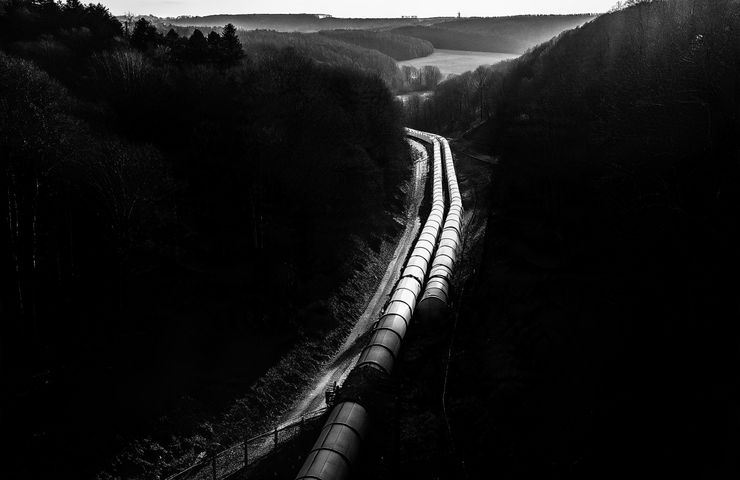
This summer is buzzing with some thrilling hydrogen infrastructure news—a brand-new pipeline is laying down roots across the picturesque hills of Saarland! Spanning about 17 kilometers and connecting Leidingen at the French border with the steelworks in Dillingen, this high-pressure line is poised to revolutionize how low-carbon hydrogen gets delivered to one of Germany’s biggest integrated steel producers. With support from both regional and federal authorities, it’s not just a step forward; it’s a real game-changer for industrial decarbonization and a sneak peek into the future of clean energy supply.
Building a Cross-Border Hydrogen Network
So, what’s the big deal about this new link? It’s part of the mosaHYc project—which stands for the Moselle-Saar-Hydrogen-Conversion network. This initiative is a collaboration between Creos Deutschland Wasserstoff GmbH, the French transmission operator GRTgaz/naTran, and the Luxembourg energy group Encevo. Altogether, mosaHYc aims to convert around 70 kilometers of existing gas pipelines and add 20 to 30 kilometers of new DN 600 steel pipe. That’s going to create a robust hydrogen corridor spanning between Carling, Völklingen, Perl, and Dillingen. The specific segment from Leidingen to Dillingen is around 16.5 kilometers long, designed to carry hydrogen at pressures up to 70 bar. Plus, it’s equipped with pigging stations, remote SCADA monitoring, and isolation valves to ensure everything runs smoothly and safely.
Speeding Up Industrial Decarbonization
Now, let’s talk about the impact of this pipeline for the Stahl-Holding-Saar group, which includes Dillinger Hütte, Saarstahl, and their joint venture ROGESA Saar mbH. This pipeline is exactly what they needed to kickstart their Power4Steel transformation. With around €2.6 billion in EU-approved state aid backing them, they’re gearing up to replace their coal-fired blast furnaces with hydrogen-based direct reduction and electric arc furnaces. Come 2029, they’ll start receiving green hydrogen from a Verso Energy electrolyser in Carling, supplying at least 6,000 tonnes a year under long-term offtake agreements. If all goes according to plan, the Dillingen site could eventually pull in up to 50,000 tonnes annually, cutting about 4 million tonnes of CO₂ emissions across Saarland’s steel industry. Now that’s some serious progress!
Innovative Technology and Capacity
This isn’t just any old pipeline, though. Engineers have put a lot into making sure this DN 600 line is top-notch, with corrosion protection and a minimum soil cover of 1.2 meters. They’ll use inline inspection “pigs” to spot any issues, while compressor stations will keep the pressure steady as the pipeline winds through the hilly Oberlimberg section. At points where hydrogen is taken off, it gets dried, compressed, and fed directly into the reduction furnaces. By leveraging proven high-pressure technology while aligning with modern standards, this pipeline sets a high bar for hydrogen transport not just in Germany, but across Europe.
Impact on the Region and Future Prospects
The Saarland government is calling this their biggest hydrogen project to date. It’s more than just a pipeline; it’s a flagship initiative that promises regional growth and job stability as coal use declines. And there’s more! The mosaHYc network is set to benefit other industries, power plants, and mobility hubs, laying the groundwork for Germany’s national hydrogen core network. This project also bolsters cross-border energy ties with France, where a low-carbon electricity mix is helping to deliver competitive green hydrogen. The end result? Cleaner air, resilient industrial jobs, and a vibrant glimpse into what a sustainable heavy industry future could look like.
Collaboration and Funding Efforts
How did we get here? A lot of teamwork went into making this happen. The Oberbergamt des Saarlandes gave the green light after thorough environmental reviews and public consultations. Support came from the Saarland Ministry of Economic Affairs and Germany’s Federal Ministry for Economic Affairs and Climate Action, mobilizing a €44 million grant for the German segment. Saarland pitched in around €13 million too. Throw in some private investments and cross-border collaboration, and you have a solid example of how industries, regulators, and governments can come together to drive the charge towards a carbon-neutral future!