Hydrogen Infrastructure: Plug Power Monetizes $39.2M Transferable ITC for St. Gabriel Plant
Plug Power sold a $39.2M transferable ITC for its St. Gabriel hydrogen liquefaction plant, boosting liquidity for its expanding liquid hydrogen network.
Exciting things are happening in the hydrogen sector, especially when it comes to financing infrastructure! Recently, Plug Power Inc. made waves by selling a transferable Investment Tax Credit (ITC) worth around $39.2 million. This deal is tied to their hydrogen liquefaction facility in St. Gabriel, Louisiana. By turning potential tax credits into cash right now, they’re boosting their funds for expanding their hydrogen infrastructure network. It’s a fascinating example of how financial innovation meets the burgeoning clean hydrogen scene.
Facility and Technology Overview
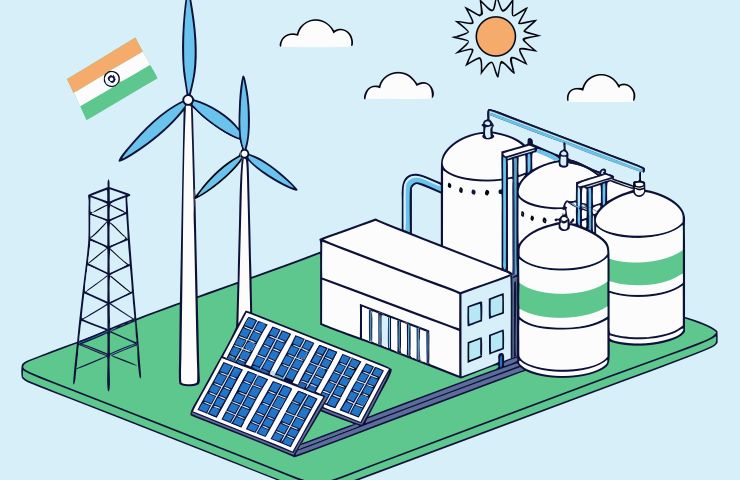
Located on Louisiana's busy Gulf Coast, the liquefaction plant kicked off operations in April 2025 and has the capacity to process a whopping 15 tons of hydrogen every day. This facility is a crucial part of one of North America’s biggest liquid hydrogen supply chains. It uses an intricate multi-stage refrigeration process, along with compression and expansion turbines, to cool hydrogen gas to a chilling –253 °C. The process involves purifying the gas and transforming it into liquid form for storage in specially designed vacuum-jacketed tanks that keep it super cold. After that, it gets loaded onto vacuum-insulated trailers for transport via road or river barge, reaching fueling stations and other setups that need it.
Most of the hydrogen feedstock comes from by-product streams at nearby chlor-alkali facilities operated by Olin Corporation. This approach minimizes the need for new electrolyzers on-site, making the whole operation more efficient. It utilizes existing pipelines and storage resources, which not only reduces costs but also lowers the overall carbon footprint. Across Plug Power’s network in Georgia, Tennessee, and Louisiana, they’re pumping out roughly 40 tons of liquid hydrogen daily, supporting everything from hydrogen fuel cell trucks to green data centers looking for reliable backup power sources.
Monetizing Transferable ITCs
This ITC deal stems from a recent policy shift that gives qualifying clean energy tax credits the green light to be sold to third parties instead of tied to a project's balance sheet. Under the U.S. federal Investment Tax Credit regime, projects that meet specific labor, domestic content, and wage standards can claim a percentage of capital costs. New regulations have expanded this to include hydrogen liquefaction and storage gear, allowing those credits to be transferable too.
For companies like Plug Power, the option to sell the ITC means they can sidestep complex tax-equity partnerships and avoid hefty tax liabilities. They no longer have to wait years to offset federal taxes; they get cash upfront! This flexibility makes hydrogen project financing smoother and reduces their overall cost of capital. Earlier in January 2025, they sold a $30 million ITC related to their facility in Woodbine, Georgia, proving that this model is repeatable. Executives highlighted the $39.2 million transaction as part of a smart finance strategy to keep cash flowing for ongoing investments across their expansive liquid hydrogen network.
The details about the buyer remain under wraps, but sources suggest that institutional tax-equity investors and major corporations with hefty federal tax liabilities are likely candidates. These buyers secure a solid dollar-for-dollar reduction in their tax bills, while sponsors like Plug Power gain much-needed liquidity without diluting equity or taking on more debts. This financial innovation could pave the way for other developers in the green hydrogen and clean energy sectors, merging fiscal policies with market-driven infrastructure growth.
Strategic Joint Venture Model
The plant is owned and operated by Hidrogenii, which is a joint venture where both Plug Power and Olin Corporation hold equal stakes. Olin supplies hydrogen from its chlor-alkali electrolysis process, ensuring a consistent feedstock supply, while Plug Power brings the know-how in liquefaction, storage, and logistics to transform gas into something transportable. This partnership model helps avoid the hefty capital expenses of new electrolyzer installations and makes the best use of existing industrial setups, speeding up their time to market.
In the Gulf Coast area, where there are already refineries, chemical plants, and ports, joint ventures like Hidrogenii help to streamline project timelines, reduce red tape, and share development risks. For chemical manufacturers, selling by-product hydrogen not only generates a new income stream but also aligns with broader goals to reduce carbon footprints. On the flip side, hydrogen specialists benefit from access to large-scale feedstock and established infrastructure, which lowers barriers to scaling up hydrogen storage and distribution.
Policy and Market Implications
The IRS's transferable ITC system marks a notable shift from older incentives that primarily benefited solar and wind energy. By extending robust support to hydrogen infrastructure—including liquefaction, cryogenic storage, and fueling stations—legislators aim to unlock capital and drive costs down for green hydrogen production. This could turbocharge the development of new supply chains for heavy-duty transport and industrial feedstocks, all in pursuit of zero-emission solutions.
For investors, the sale of ITCs makes it easier to chart a clear path to returns since it reduces financing hurdles. Project developers can treat tax credits as nearly cash-like assets, which can be bundled into funding packages or sold outright. This mechanism might set off a wave of new offtake agreements as users—from logistics companies to data centers—gain trust in the reliability and cost-effectiveness of liquid hydrogen. On the regulatory side, authorities will keep tabs on the program’s impact, refining eligibility criteria and ensuring labor standards are met while protecting against credit arbitrage.
What’s Next for Hydrogen Infrastructure?
With Plug Power leading the charge with this cash-to-credit model, we can expect a lot more companies in the hydrogen production space to follow suit. Get ready for a surge in announcements about new liquefaction hubs, expansions of cryogenic storage, and carbon capture integrations—all of which will be partially financed through those transferable ITCs. As offtake agreements and partnerships grow, the focus of the industry will shift towards optimization—like improving the energy efficiency of liquefaction processes, managing boil-off losses, and integrating renewable sources for truly zero-carbon hydrogen.
In the end, the success of this whole endeavor hinges on scaling end-use applications alongside the supply infrastructure. Things like fuel cell trucks, hydrogen refueling stations, and industrial processes can only reach their potential if developers access both the capital and policy backing necessary to build a solid, interconnected network. In this changing landscape, financial innovation may just be as crucial as any technological breakthroughs in propelling the hydrogen economy forward.