
GravitHy files permits for 2 Mt/yr green iron plant in Fos-sur-Mer
GravitHy's permit application in Fos-sur-Mer advances its 2 Mt/y merchant green iron plant toward regulatory approval, testing the viability of hydrogen infrastructure and green hydrogen production for industrial decarbonization.
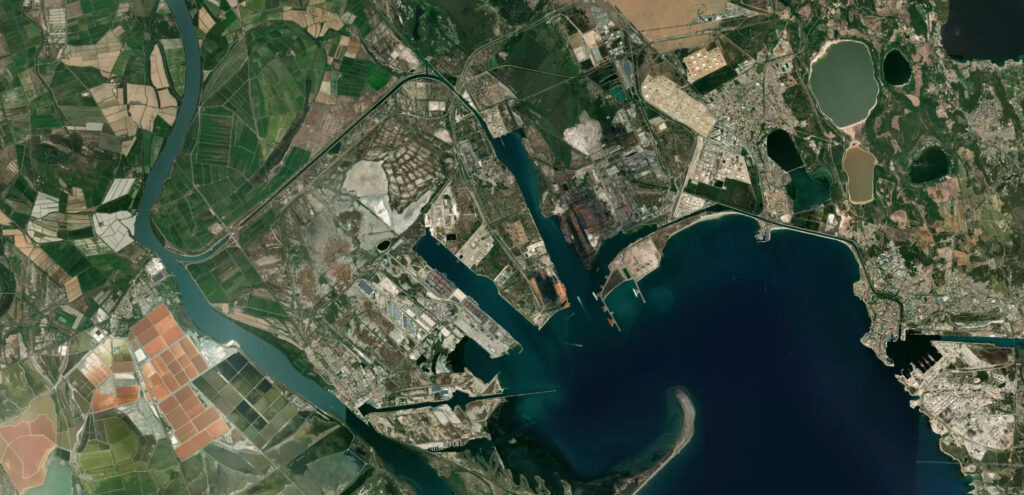
French low-carbon iron company GravitHy has taken a big step by filing for building permits and environmental authorization for its innovative hydrogen-based direct reduced iron (DRI) and hot-briquetted iron (HBI) facility in Fos-sur-Mer, down in southern France. This application marks the start of the formal regulatory phase for a project that's aiming to churn out about 2 million tonnes of low-carbon iron each year, backed by a hefty 720 MW of water electrolysis capacity and producing nearly 120,000 tonnes of green hydrogen annually right on-site.
This shift means the project is moving from just ideas and early designs into reality, where everything hinges on those crucial permits, connecting to the grid, and locking in financing. It's really a test case for Europe’s ambition to create a thriving green iron market that separates ironmaking from steel finishings.
Setting the Scene
For European steelmakers, having access to merchant HBI for electric arc furnaces is a game-changer. It lowers the hurdles for decarbonization by allowing them to ditch traditional blast-furnace methods without needing fully integrated steel mills. GravitHy's strategy positions the Fos-sur-Mer site as a key player in a fresh green supply chain, linking hydrogen producers, ore suppliers, and offtake partners together.
A Closer Look at the Technology
At the heart of this process is a smart blend of water electrolysis and hydrogen-DRI technology:
This approach should help cut CO₂ emissions from ironmaking by about 90% compared to traditional blast-furnace processes, though the exact savings will depend on the electricity mix and how much the plant is utilized.
Industry Watch: Competition and Developments
GravitHy’s permit filing is coming at an exciting time, with a flurry of hydrogen-DRI announcements popping up all over Europe. There are several projects in the pipeline aiming for capacities between 0.5 and 3 Mt/y in places like Germany, Spain, and Sweden. But many of these are hitting bumps in the road due to rising power prices and tricky permitting processes. If they hope to secure final investment decisions before this decade wraps up, they'll need to align on hydrogen pricing, grid allocations, and offtake agreements in what's becoming a more competitive scene.
Key Numbers to Note
Pathway to Approval
Founded in mid-2022, GravitHy has made great strides, moving through feasibility studies, partnership deals, and design selections, culminating in their permit application in 2026. They've mapped out a plan where environmental reviews and agreements for grid connections should wrap up in 2027, with a final investment decision expected shortly after that. If all goes smoothly, construction could kick off in 2028, eyeing a commissioning date in the late part of the decade, but of course, these things hinge on getting the necessary approvals and financing.
Challenges and Support Systems
On the financing side, companies might look into multilateral development banks and export-credit agencies to mitigate risks associated with the green hydrogen components. Finding the right strategic investors could also help secure those crucial iron offtake agreements. For the merchant model to really take off, they'd need to bank on those green premiums plus the savings from avoided CO₂ under the EU carbon pricing frameworks.
Looking Ahead
The immediate goal is to nail down those environmental permits and grid-connection rights. Once that’s done, it’ll clear the way for more detailed engineering contracts and gear orders. GravitHy also has to lock in long-term offtake commitments from EAF steelmakers—preferably under agreements that emphasize lower embodied carbon. If they succeed with Fos-sur-Mer, it could serve as a blueprint for setting up similar green iron hubs across other European ports.
The market’s keeping a close eye for any signs of trouble with financing or regulatory issues, but the fact that they've filed for permits shows that hydrogen infrastructure isn’t just a dream anymore—they're getting closer to an industrial scale. For a thriving green iron economy, we'll need drops in electrolyser tech costs, stable power pricing, and policy frameworks that encourage zero-emission metal production.
Traditionally, DRI processes have relied on syngas made from natural gas, which cuts CO₂ emissions compared to blast furnaces but still pumps out some carbon. On the flip side, hydrogen-based DRI using electrolytic green hydrogen can nearly eliminate direct emissions. GravitHy's initiative builds on decades of experience in gas DRI but scales it up with green hydrogen, a significant leap that’s really dependent on getting both the technology right and ensuring a reliable supply of industrial-scale electrolysers.
Choosing Fos-sur-Mer for this project makes a lot of sense: its deepwater terminals are perfect for importing bulk ore and exporting HBI, plus rail links connect right to nearby steel clusters, and the existing heavy industry infrastructure can be adapted for new tech. Local utilities and port operators are already in talks about how to adjust land and grid capacities for this purpose, showcasing how sites with industrial history can transition to host zero-emission technologies.
This project also aligns nicely with the French government’s France 2030 roadmap for industrial decarbonization. While initial costs can be bridged by policy incentives and grants, the long-term viability will depend heavily on the market offering premiums for green iron and the EU’s carbon pricing models that are aiming for net-zero steel production by 2050. Developers are actively engaging with European EAF operators to secure those long-term offtake agreements that reflect lower embodied carbon.
Equipment suppliers like Siemens Energy are developing larger electrolyser modules and converters, gearing up for anticipated orders from projects like Fos-sur-Mer. Whether they can break ground on schedule could serve as a litmus test for the broader electrolyser manufacturing landscape across Europe.
Market assessments suggest that demand for low-carbon iron could surge from practically zero today to 5 to 10 million tonnes annually by 2035, stimulated by worldwide commitments to net-zero steel. GravitHy is looking to snag a first-mover advantage in what’s expected to be a multi-billion-euro market once the premiums for green metal become a solid reality.
Investors and policymakers alike will be keenly watching how GravitHy manages the complex dance of funding, balancing equity, debt, and public grants while setting a model for future hydrogen-driven industrial projects. A smooth permit process could clear the way for Europe’s first merchant-scale green iron hub, reshaping the future of decarbonizing steelmaking.


