Hydrogen Production Innovation: US Firm Secures $4.5M for Quantum-Designed Catalysts to Slash Iridium Use
An unnamed US company secured $4.5M to develop quantum-designed hydrogen catalysts with reduced iridium use, aiming to lower electrolyzer costs and accelerate green hydrogen production.
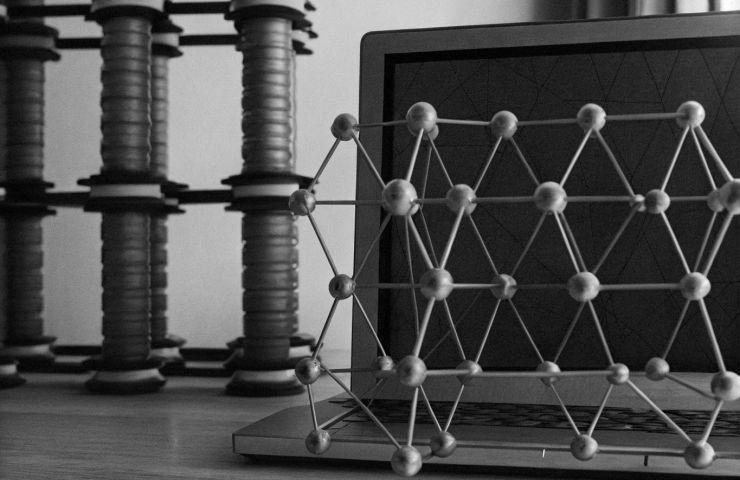
You know how science sometimes feels like magic? Well, imagine if the next big breakthrough in hydrogen production isn’t just coming from some stuffy lab filled with bubbling test tubes, but instead from some super smart computer simulations. That’s the dream an undisclosed US company is chasing right now. They’ve reportedly raked in $4.5 million to dive into creating quantum-designed materials that could revolutionize hydrogen catalysts. Their mission? To cut down on the need for iridium, one of the priciest and rarest metals used in the electrolyzer game, all without sacrificing performance.
Right now, we don't know who’s behind this project or the exact milestones they're aiming for, but folks in the industry are buzzing. They see this funding as a sign that investors are genuinely excited about squaring up the mathematical side of green hydrogen production. By using advanced modeling to figure out which catalyst combinations are the most effective, these bright minds could potentially shrink what normally takes years of trial-and-error into just a few smart experiments. That kind of efficiency could really knock down the costs associated with manufacturing electrolyzers, which is a major hurdle for scaling up low-carbon hydrogen initiatives worldwide.
Why Iridium Matters
So, let’s talk about iridium. It’s a superstar in proton-exchange membrane (PEM) electrolyzers thanks to its rock-solid stability even in challenging acidic environments and when faced with high currents. But it sure does come with a hefty price tag. The supply is pretty tightly controlled by just a handful of mining companies, which means prices can get unpredictable. When iridium ends up being a significant part of the overall costs, rolling out hydrogen infrastructure can get pricey and unreliable. Nobody wants that!
For a while now, developers of electrolysis systems have been itching to reduce the reliance on these precious metals or even find alternative catalysts altogether. However, finding a replacement that can match iridium’s durability and performance isn’t exactly a walk in the park. That's why the idea of a quantum-powered shortcut—sifting through endless material combinations on a computer—sounds so enticing.
A Quantum-Driven Shortcut
Computational materials science has really picked up speed over just the last decade, leveraging techniques from quantum chemistry, machine learning, and high-powered computing. Picture this: researchers can simulate how atoms might interact and behave on a surface, predicting catalyst performance even before they start real-world tests. This smart approach reduces wasted time on unsuccessful trials and allows researchers to focus on the most promising candidates right away.
Even though we’re still lacking detailed info about this new project, this funding is definitely indicative of a larger movement: the buzz around electrification and industrial decarbonization is reinvigorating catalyst innovation. Whether this company is zeroing in on PEM cells, alkaline systems, or something hybrid, there’s a clear goal—lower the iridium intensity as much as possible, without cutting corners on efficiency or longevity.
Backing and Business Case
Landing millions in early-stage funding is no small feat, especially for a venture that focuses on materials and computational science. This suggests that investors see solid potential here for real cost savings in hydrogen production methods, which could make green hydrogen more competitive against traditional energy sources. If they can show that their catalyst uses less iridium per kilowatt, electrolyzer manufacturers might find their businesses becoming much more financially viable—opening up new corporate offtake agreements or funding options.
Plus, speeding up development could mean products hit the market faster. In a world where the news often talks about gargantuan electrolyzer factories, being able to launch a validated, low-cost catalyst could be a game-changer. It’s also a response to swirling demands from policymakers and partners for stability and price predictability in clean hydrogen news.
Impacts on Green Hydrogen Goals
Cheaper and more scalable catalysts would fit perfectly into global decarbonization aspirations, especially since green hydrogen is key in everything from heavy industry to transportation. By slashing the costs associated with precious metals, this tech could make green hydrogen an even more appealing option for making ammonia, powering refineries, and fueling hydrogen vehicles.
In the hydrogen fuel cell news arena, advancements in catalyst performance would also enhance the efficiency of hydrogen fuel cells. While this new company seems to be focusing on electrolyzers right now, the insights gained from reducing iridium usage could make waves in fuel cell stacks too, boosting durability and decreasing costs for hydrogen cars and backup power systems in green data centers.
Cautious Optimism and Next Steps
Let's not get ahead of ourselves, though. This announcement is about funding, not a groundbreaking commercial release. There are still a bunch of questions hanging in the air: How much can they really reduce the iridium load? Have they even tested any candidates yet? And when might we see some solid performance data published in peer-reviewed articles?
In the months ahead, many in the industry will be watching closely for more concrete updates—a formal announcement, technical insights, or at least some exciting lab results. The very fact that investors are backing quantum-enhanced research speaks volumes about the hydrogen energy news ecosystem, where innovation in materials is quickly becoming just as crucial as setting up projects and meeting consumer demand.
Policy and Market Momentum
Across the globe, governments in places like Europe and Asia are rolling out plans to ramp up green hydrogen hubs and hydrogen refueling stations. Although this particular project might not be leaning on public funds right now, its success could align with broader funding programs designed to boost hydrogen project financing. Market players are eager for developments that can justify new large-scale investments, and a well-proven low-iridium catalyst could just tip the balance in favor of new projects.
Looking Beyond Catalysts
But remember, catalyst innovation is only one piece of a bigger puzzle. Improvements in membrane technology, stack designs, and system integration are all essential for boosting overall electrolyzer efficiency. Yet catalysts often dictate the total system cost, especially for green hydrogen production setups focused on quick output and enduring reliability. When combined with advancements in hydrogen storage and power management, a low-iridium catalyst could further strengthen the business case for widespread deployments.
In the end, if these simulation-led methods hold up, we might see a fresh approach to allocating R&D budgets. Instead of the traditional sprawling labs packed with beakers, we could shift towards compact facilities primarily revolving around data analysis and high-performance computing. This might even allow smaller teams to step up and challenge the big players in the clean hydrogen news landscape.
The upcoming year is bound to be a test of this quantum-driven method. If they can roll out catalysts with solid performance metrics and significantly lower iridium use, we could be looking at a real shift in the electrolyzer market. And who knows? It might even change the way we search for and scale the materials that lie at the core of a decarbonized economy.