Hydrogen Production: MIRDC and Dassault Systèmes Power Up with AI-Driven Innovation
Taiwan’s MIRDC and France’s Dassault Systèmes join forces to accelerate hydrogen production and AI-driven simulation, boosting green energy R&D and industrial competitiveness.
I’m really excited to share a new collaboration in sustainable energy: MIRDC and Dassault Systèmes are joining forces this month to push Hydrogen Production forward with AI-driven simulation. It’s a neat pairing of Taiwan’s industrial R&D chops with France’s software smarts, driving sustainable innovation and real-world solutions for decarbonizing the metal industries.
Historical Context
Believe it or not, Taiwan has quietly been backing hydrogen since the 2010s through initiatives led by the Ministry of Economic Affairs. MIRDC has anchored those efforts, tackling everything from advanced manufacturing to aerospace fasteners, automotive parts and green energy research. Meanwhile, since 2020, Dassault Systèmes has been leveling up its 3DEXPERIENCE platform with AI tools tailored for energy projects. After the 2022 energy crunch, both sides figured it was prime time to team up and kick high CO₂ emissions to the curb.
Partnership Overview
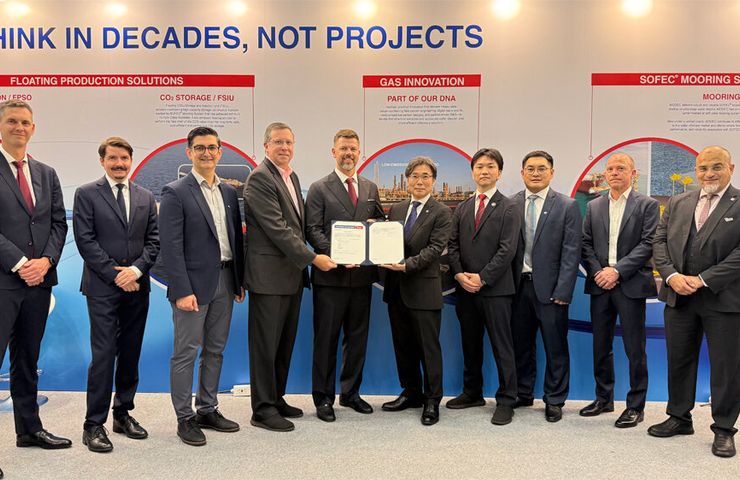
In a recent PR Newswire release, MIRDC is partnering with Dassault Systèmes to pioneer hydrogen breakthroughs powered by AI Simulation. They’re blending MIRDC’s deep expertise in metals and materials with Dassault’s virtual twin technology. The partnership’s title even highlights hydrogen and AI for unbeatable innovation, underscoring their shared goal of making green hydrogen a practical, scalable energy carrier.
Hydrogen Technology Focus
The collaboration zeroes in on three core areas: producing hydrogen via electrolysis and reforming, developing safe storage solutions, and integrating H₂ into metal manufacturing workflows. By fine-tuning catalyst materials and tweaking reactor designs, the teams aim to boost both efficiency and lifespan. The real magic happens when hands-on metal-industry know-how meets cutting-edge materials science to tackle hydrogen’s quirks.
AI-Driven Simulation Advantage
The 3DEXPERIENCE platform acts like a sandbox for digital twins, modeling everything from hydrogen flow dynamics to stress tests on storage tanks. Instead of burning cash on multiple physical prototypes, engineers can iterate virtually—speeding up R&D cycles, trimming costs and uncovering insights that are tough to catch in a traditional lab.
Real-World Impacts
Beyond turbocharging Taiwan’s green manufacturing sector, this alliance is set to spawn high-value R&D roles and open new export lanes for hydrogen tech. Decarbonizing metal production—a sector notorious for its carbon footprint—could send positive ripples across global supply chains. The cherry on top? Greater industrial resilience and competitiveness go hand in hand with emissions cuts.
Challenges and Next Steps
Of course, hurdles remain. Hydrogen production still demands significant investment and infrastructure, and scaling up will hinge on solid policy backing. Details on funding and project timelines are still under wraps, so we’ll be watching closely as plans move from digital twins to pilot plants.
Conclusion
This partnership isn’t just a shiny tech win—it’s a strategic move that proves Taiwan is serious about leading the energy transition. By marrying MIRDC’s metal-industry heritage with Dassault Systèmes’ AI Simulation expertise, they’ve cooked up a real-world solution to one of industry’s toughest decarbonization challenges. Bottom line: cracking cost-effective Hydrogen Production and storage could reshape the metal sector and power a cleaner, more resilient future.